Author: Eleanor Chilvers

  • Benchmarking: How do you shape up against the competition?

    Benchmarking: How do you shape up against the competition?

    Recruiting and retaining the best talent in your industry requires a competitive salary, a winning company culture and, increasingly, an attractive employee benefits offering.

    So, how do you know if your employee benefits are ticking all the right boxes? This is where benchmarking comes in.

    This article explores the value of comparing your benefits to typical employer practice in the industry or country you’re operating in.

    Need help launching or reviewing your employee benefits plan? Get FREE expert advice from our consultants on 01273 974419 or email enquiries@engagehealthgroup.co.uk.


    The importance of benchmarking

    What is employee benefits benchmarking?

    The most common form of benefits benchmarking involves the process of comparing how your benefits package compares to standard industry practice.

    For businesses that employ globally, there is the challenge of benchmarking across different countries and ensuring you are complying with local regulations.

    James Carrick, International Senior Manager at Engage, explains the process:

    “Benchmarking could be anything from providing a side-by-side benefit comparison, to industry-specific information, country prevalence and typical employer practice.”

    When Engage customers receive benchmarking reports, they also benefit from the consultant’s expertise.

    “We often extrapolate the gathered information for our clients too, providing our insights and opinion rather than just passing on the report’s findings without context.”

    “For a company with employees in different countries, we can use our network of local specialists to ensure we’re up-to-date with typical employer practice and the finer points of local legislation.”

    Whether you need to start from scratch with an employee benefits plan, or are reviewing current benefits, benchmarking helps businesses to:

    • Identify any missing key benefits compared to competitors
    • Ensure are no duplicated benefits – and therefore unnecessary spend
    • Assess how you shape up within your industry
    • Provide the employee benefits staff expect
    • Ensure your employee benefits are relevant and effective


    The benefits of employee benefit benchmarking

    In the rush to execute their benefits policies, some businesses skip benchmarking but this would be unwise. Below we have outlined the benefits of benchmarking, especially when it comes to attracting and retaining the best talent.

    #1 Identify gaps in your benefits plan compared to the competition

    For example, if other businesses in your industry are providing a Group Health Insurance plan and you’re not, potential employees will likely take this into account when considering their options. Equipped with this knowledge, you can ensure your benefits plan is, at the very least, matching the competition.

    #2 Attract and retain the best talent in your industry

    Multiple surveys show that employee benefits have become a key part of a company’s recruitment and retention efforts.

    According to a survey by One Medical, 69% of employees say they might choose one job over another if it’s offering better benefits.

    Meanwhile, 37% of employees joined their current employer due to their benefits package, and 44% said they have stuck with their employer for the same reason, according to the 2024 Global Benefits Attitudes Survey.

    By benchmarking against best practice in your industry, you can be sure that your benefits package will be a key tool for finding and keeping the best people.

    #3 Adapt to trends

    Benchmarking enables your business to stay ahead of the game – not just matching the competition, but going one step further.

    Employee demand is always evolving and so are the products and technologies that companies have available. Doing some benchmarking will potentially highlight some new ideas and trends that you previously hadn’t been aware of.

    Exploring what other companies are providing for employees is a good starting point to ensure your benefits are capable of standing out from the competition.

    #4 Ensure compliance in different countries

    If you have multiple plans in different countries around the world, it can be very difficult to monitor whether you have the correct plans in place. Consequently, there is a risk that there may be gaps if local benefits don’t meet local regulatory requirements

    #5 Greater visibility and cost control

    It’s not easy to have visibility of all your benefits in the UK and around the world.  A full benchmark of your benefits highlights opportunities to simplify and harmonise benefit plans and identify cost savings


    Want to discover how your employee health, wellbeing & protection policies compare against the competition? Engage Health Group consultants provide benchmarking services as part of our free consultancy service to UK businesses, including those with global workers. Contact our team for free advice and guidance on 01273 974419 or email enquiries@engagehealthgroup.co.uk.


    The value of investigating other companies

    Salary size remains important, but employee benefits policies are a very important part of your ‘Employee Value Proposition’ especially during a time of high living costs and high demand for health and wellbeing support.

    Employee benefits packages can either make or break hiring and retention efforts. Sixty-five per cent of candidates say they consider employee benefits as a crucial factor when job hunting, according to data collected by Avado.

    By benchmarking your employee benefits offering against other companies in your industry, you can ensure your offering is capable of attracting the kinds of people who will drive your business forward.


    How our Engage brokers implement benchmarking

    Some businesses will come to us with a list of objectives they want to achieve from their employee benefits investment. For example, they may want to reduce staff sickness or improve staff retention rates.

    With this in mind, we have to think of all possible angles when we assess data. Benchmarking allows us to take a look at what other companies in your industry are providing.

    Our benchmarking service is also provided for companies with a global footprint. On a global scale, it can be  overwhelming to have multiple plans in different countries. The auditing and benchmarking of benefits ensures global oversight and governance.

    We can compare and contrast benefits trends, requirements and expectations across different countries.

    We provide country reports and country prevalence information to some clients for free,” says James. “It’s important to note though that this is on a case-by-case basis, determined by the size, strategic fit and revenue opportunities.”

    As employee benefits brokers, Engage Health Group will:

    • Review your existing benefits in all countries
    • Benchmark benefits against mandatory and typical market practice
    • Compare benefits against competitors
    • Analyse results and identify gaps and potential areas for improvement or change
    • Provide an overview of potential costs and how best to proceed to the next steps

    Contact our expert team at enquiries@engagehealthgroup.co.uk or call 01273 974419 for FREE no-obligation advice and support.
  • Employee benefits worldwide: 7 common challenges & how to solve them

    Employee benefits worldwide: 7 common challenges & how to solve them

    The makeup and location of your workforce will be unique to your business. But whatever the number and wherever they are based, you will need to comply with the regulations of each country and meet differing cultural expectations.

    Every country has its quirks. And the more countries covered, the more complex the situation becomes.

    Let’s take a look at some of these challenges in more detail…

    Need help providing the right support to your international workforce? Get FREE expert advice from our consultants on 01273 974419 or email enquiries@engagehealthgroup.co.uk.


    Challenge #1:

    Understanding rules and regulations in multiple countries

    Often employee benefits are managed by small HR teams located in a central location. If you’re a UK-headquartered business, then this is where your HR team is likely to be based.

    Not only must you arrange health and protection schemes in the UK, you have to do the same in other countries too. Even the most well-resourced personnel department will find this a struggle.

    A number of question arise:

    • Should I provide health insurance, life insurance or other policies in this country?
    • Are there different legal requirements?
    • Are there different employee expectations?
    • What do similar companies provide for their workers in the same location?
    • How do I attract the best people?

    Recommended solution:

    It’s a good idea to contact an employee benefits broker who operates in the relevant country. They can advise you on the best course of action and ensure you are legally compliant in regard to employee benefits.

    Engage Health Group has a broker network covering more than 70 countries, so we are able to advise on the best way to arrange health and protection coverage for your workers.


    Challenge #2:

    Managing and clarifying costs

    We often work with companies who struggle to gain visibility on their benefits spend around the world. It’s easy to understand why: companies often have separate policies for different countries, premiums change year-on-year and insurance claims vary.

    There are also digital platforms and various wellness solutions to manage too. So, pulling it all together and getting a clear sight of costs is often difficult.

    Recommended solution:

    Businesses can arrange “umbrella” policies that cover multiple countries under one plan. For example, International Private Medical Insurance can provide health coverage to employees in different countries. These types of policy make it easier to track costs, and the more countries you need to cover, the more advantageous it becomes.


    Challenge #3:

    Affordability for smaller employee numbers

    Even the largest companies find it difficult to achieve economies of scale through their global benefits but they often have larger and more dispersed budgets to make it more affordable.

    However, SMEs with smaller budgets will struggle to find suitable, cost-effective options to cover their global workforce or achieve return on investment. With fewer employee numbers in each country, it is very difficult to obtain competitive benefits.

    Recommended solution:

    It’s worth partnering with an employee benefits consultancy who can design solutions specifically for the needs of your workforce. Many brokers focus on serving large corporates, but Engage Health Group offers bespoke offering for different-sized companies. And our advice comes at no extra cost.


    Challenge #4:

    Minding the gaps in legal compliance and duty of care

    It’s hardly surprising that overstretched HR teams might miss something when administering global benefits. Whether you have HR departments in different countries, or one centralised team, guaranteeing compliance is difficult.

    Insurance solutions vary widely in each country and in many countries there are now mandatory obligations. It’s a complex web of rules and regulations out there, but there are a couple of options to do so safely.

    Recommended solution:

    Many companies outsource to employee benefits consultants, like Engage, with global expertise. Alternatively, they employ EORs who, in turn, may employ expert consultants and brokers with specific, or multi-country, expertise.

    It’s not just a technical legal exercise, it’s also about ensuring employees are equally well looked after in whichever country they are working from.


    Challenge #5:

    Deploying domestic vs international solutions

    Many businesses are unaware that they have two options when investing in health and protection policies:

    Option 1: Invest in separate policies for each country

    Option 2: Invest in a single umbrella scheme, which covers multiple countries at the same time

    For example, many companies set up Group Health Insurance schemes in separate countries. That means you have to manage multiple health insurance policies with different policy providers and separate providers to contact.

    Suggested solution:

    As you can imagine, the admin and costs can spiral. The simpler and often more cost-effective alternative is to invest in an International Group Health Insurance policy which covers all employees around the world under the same policy*. Many companies are unaware this option even exists!

    * In some countries, local laws dictate that employees must be covered under a locally compliant policy. Engage Health Group can help with sourcing both international and local solutions.


    Challenge #6:

    Encountering generic solutions for unique business needs

    Too often businesses are served with generic solutions which can inflate costs or minimise the chances of getting value for money. Each business has its unique make-up of employee size, country distribution, budget constraints and industry type. While the largest businesses can usually find tailored solutions, for smaller operations (less than 50 employees) it can be difficult to find suitable local policies.

    Suggested solution:

    Any broker or consultant you work with should serve the precise needs of your business and be a genuine whole-of-market broker.


    Challenge #7:

    Sourcing impartial advice

    Many HR professionals have fallen victim to the persuasive sales pitch of an insurance advisor. They will always have the perfect policy for you.

    But how can you be sure without comparing and contrasting against other providers? And do you know what lurks in the small print?

    This point relates to Group Health Insurance, Income Protection, Life Insurance, Critical Illness Cover, and any other health and protection policy you’re seeking to invest in.

    Suggested solution:

    Ideally, you need to consult with an expert who has in-depth knowledge of all the different providers and how their different offerings shape up. Plus, importantly, they must be able to magnify the most important details in the Ts and Cs. And they should do this on your behalf rather than act as a sneaky sales funnel on behalf of a preferred provider!


    Finding a broker that’s right for you

    As you can see, the key piece of advice here is to find expertise you can trust. This will make the process of jumping through all the legislative hoops all the more easier and help you fulfil your duty of care more effectively.

    At Engage Health Group, we have a wide global broker network spanning more than 70 countries, enabling us to provide the best guidance no matter where your employees are based. We offer genuine expertise alongside the most competitive quotes in the market.

    Contact us at enquiries@engagehealthgroup.co.uk or call 01273 974419 for FREE no-obligation advice and support. 
  • Engage Health Group nominated for three awards at the UK Health & Protection Awards 2024!

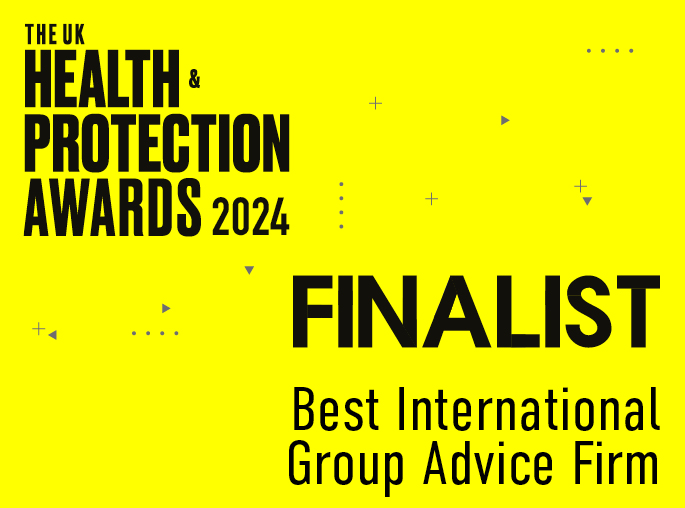
    Engage Health Group nominated for three awards at the UK Health & Protection Awards 2024!

    Engage Health Group will be joining over 700 advisers, insurers and industry representatives for the 2024 Health & Protection Awards on the 10th October in London.

    We are hugely proud and excited to be nominated for multiple accolades once again. This year we’re shortlisted for three prestigious awards:

    • Best International Group Advice Firm
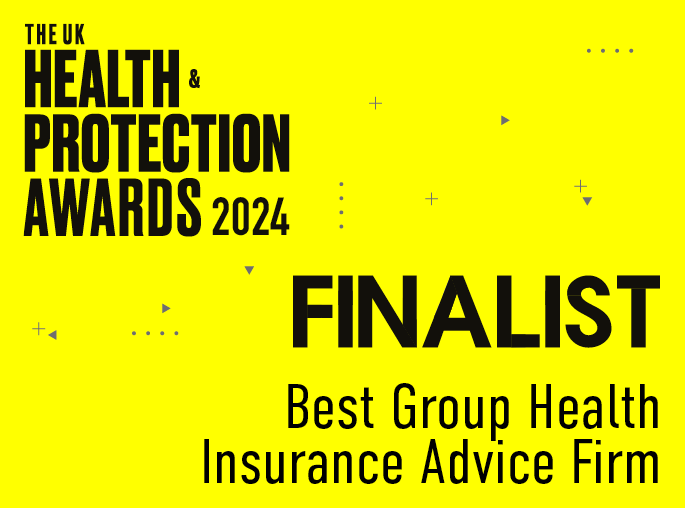
    • Best Group Health Insurance Advice Firm
    • Best Group Protection Advice Firm

    Fingers are crossed for a successful evening!

    Whatever the result, we are excited to celebrate with other industry leaders and recognise the achievements of fellow advisers and insurers following a challenging 12 months for the industry and wider economy.


    What is the significance of our nominations?

    Best International Group Advice Firm

    The international health and protection market is vast and complex. Without the right advice it can quickly overwhelm even the most astute HR professional. Receiving a nomination for this category is recognition of the hard work and expertise of our international team to make it that much easier for clients.

    This year’s successful entry was by International Senior Manager, James Carrick, demonstrating his work in assisting a client in the gambling industry employing 4000 people.

    James harmonized the client’s widely spread International Private Medical Insurance plans to create an even level of support to all employees across 19 countries, ensuring staff were better supported and confident in their understanding of the benefits on offer.

    Led by Ian Abbott and Penny Pemberton, the Engage International team has a global broker network spanning more than 70 countries, enabling us to provide top-level advice to organisations hiring abroad or remotely.

    Best Group Health Insurance Advice Firm

    Our next successful entry for this year’s awards stems from the hard work of Stuart Isaac, Employee Benefits Consultant. Stuart arranged a private medical insurance plan to support a communications company with a particular focus on employee mental health and family support services.

    This nomination is a testament to the effort and commitment we put in to providing the best health insurance advice to clients. We help SMEs, charities and corporates source the best health insurance plans for their employees, delivering high quality advice and support at every step of their journey.

    Engage also carries the administrative burden on behalf of clients and we assist with the claims and renewal process.

    Best Group Protection Advice Firm

    This award highlights the quality of advice our team delivers every day in relation to Group Income Protection, Group Life Insurance, Group Critical Illness Cover and Group Disability Coverage. Our team offers ongoing support to meet the changing needs of clients and employees, going that extra mile to ensure all the details are taken care of.

    This entry was submitted by our Director Nick Hale and featured his fantastic work assisting a law firm specialising in the tech industry. The rising costs and complexities of running their Group Life Assurance and Group Critical Illness schemes had left them on the verge of cancelling the policies. That was until the company contacted Nick at Engage, where he worked with the insurer to lower renewal premiums and ensure that staff could make full use of the scheme.

    Both schemes are now running properly, and fully fit for purpose.


    Are you looking for award-worthy advice?

    The nominations for this year’s awards wouldn’t have been possible without our hard-working teams, who ensure that every customer gets the best possible service.

    If you’re a company looking for expert advice in relation to your health and protection policies, then please do get in touch. Our advice is given free of charge and we deliver detailed market analysis, reviews and quotes; saving time and cutting the workload of HR teams in the process.

    Email enquiries@engagehealthgroup.co.uk or call 01273 974419 to arrange a no-obligation discussion.


  • Navigating health insurance in Malta: a guide for employers

    Navigating health insurance in Malta: a guide for employers

    Malta’s sunny climate and rich history make it extremely appealing for business and travel. The island is also home to a highly-skilled, multi-lingual, and cost-effective workforce – making it an attractive proposition for overseas expansion.

    The country is a particularly popular location for companies in industries such as tourism, financial services, manufacturing and gambling.

    Any employer launching in the area will need to consider whether to offer health insurance to staff and, if so, how to go about it.

    This guide breaks down how the Malta healthcare system works, including some of the private healthcare options available to companies.

    We also look at typical employer practice in the area, courtesy of the latest Axco reports (data accurate as of May 2024).

    The article will be of particular interest to companies wishing to:

    • Cover remote workers based in Malta
    • Establish new offices and workspaces in Malta
    • Provide cover for expats assigned to Malta

    Need help supporting your global workforce in Malta or other international locations? Contact our award-winning health and protection brokers on 01273 974419 or email enquiries@engagehealthgroup.co.uk.


    How does the Malta health system work?

    Malta
    Malta

    Malta was known as the ‘Nurse of the Mediterranean’ back in 1916 due to its role in providing medical care to wounded soldiers during World War I. Today, its healthcare system is generally well regarded although, like many countries, it has issues with personnel shortages and increasing demand from an ageing population.

    The public health system is overseen by the Ministry of Health, the Elderly and Community Care. It is funded through social insurance and social security contributions.

    If you’re a legal resident of Malta and make social insurance and social security contributions, you are entitled to use the country’s public healthcare system.

    Services include:

    • GP access
    • Medical tests and diagnostics
    • Preventative treatments
    • ‘Curative’ surgeries and treatments
    • Rehabilitation services
    • Doctors’ visits
    • Outpatient care
    • Emergency care

    Primary healthcare also includes:

    • Immunisations
    • Dental care
    • Antenatal and postnatal care
    • Diabetes treatment
    • Specialist paediatric care.

    Some services such as dental and optical treatment are means-tested.

    Prescription drugs are free of charge for those suffering from prescribed chronic conditions and for those on low incomes.

    Alongside Malta’s public system, there is also the option of private healthcare.

    ** The Mater Dei is the main public hospital in Malta, located in Msida. A speciality and training facility, expats can also use this public hospital but pay out of pocket depending on private health insurance policies.


    Should employers provide health insurance to their workers?

    There are two aspects to this: what is required legally and what is advisable in order to compete for talent in the region.

    Legal requirements:

    As an employer you pay social insurance and social security contributions, and so will your employees through the tax system. This means your employees will qualify for free health insurance regardless of their nationality

    Best practice:

    Nonetheless, it’s common for employers in Malta to provide private health insurance plans to their employees, according to data from Axco.

    Below we have listed reasons businesses might invest in health insurance for staff in Malta.

    • Competition for talent: Companies have to compete for skilled talent from a relatively small population size. Indeed, Malta ranked 21st in The Global Talent Competitiveness Index 2023.
    • High expat population: Around 1 in 5 of all residents in Malta are expats, so providing a fully-equipped health insurance policy ensures all staff are covered, no matter where they are from.
    • Fast access to health services: Giving employees peace of mind they have access to the highest standard of healthcare when in a new location.
    • Provide cross-border cover: If cover is set up as an international plan, employers can support staff across multiple countries.
    • Fill in any health gaps: Even though Malta’s healthcare is generally well regarded, there are inevitably stresses on the system from time to time, which a private health plan can navigate.
    • Added extras: Many Group Health Insurance plans will include mental health support tools, virtual GP and Employee Assistance Programmes. Via an international health plan, you can also get medical repatriation services if required and a wide range of other services.

    Are you seeking out a health insurance policy for your Malta-based team? Engage Health Group is here to answer all your questions and give you the most expert advice and tailored quotes. Call 01273 974419 or email enquiries@engagehealthgroup.co.uk for a free no-obligation consultation.


    What is typical employer practice?

    The following information is drawn from Axco’s Employee Benefits Report which tracks typical employer practice in Malta.

    Firstly, it is common for employers to provide supplementary medical benefits through a Group Health Insurance plan. In fact, a Group Health Insurance policy is often required under collective labour agreements.

    Group Health Insurance plans will typically include the basics for most employees, including core services such as outpatient services and minor operations. But high-paid employees are likely to expect more features and have policies tailored to their needs.

    Dental and optical coverage is usually provided under a separate plan and restricted to senior managers and directors.

    Employees may be given the option of upgrading coverage at their own expense.

    Employers usually finance 100% of the Group Health Insurance premium. This means the employee is rarely expected to contribute.


    How should you invest in a health policy for Malta?

    As with any global location for businesses, employers in Malta can invest in a single-country domestic health insurance scheme or a broader International Group Health Insurance plan.

    Option 1: Invest in a one-country health insurance scheme

    If a company only has staff working in Malta, then it makes sense to invest in a single health insurance policy covering Malta only.

    Option 2: Invest in a global health insurance plan

    International Business Health Insurance is a private medical insurance policy designed to cover a globally diverse workforce under a single policy. It gives staff access to top healthcare facilities in multiple countries, as well as therapy services for physical and mental health.

    An International Group Health plan also helps businesses avoid the complexities of navigating different local healthcare systems – a big plus for HR teams

    International schemes provide very comprehensive care and features, much more so than one-country domestic plans. Features can include medical repatriation, extra maternity support, 24/7 multi-lingual helplines, even support with chronic conditions – as always inclusions and exclusions vary depending on the policy.


    Who provides Group Health Insurance policies covering Malta?

    The main health insurance providers for Malta are Cigna, Allianz, Bupa, AXA, and Now Health.

    As always, there are domestic and local insurers to also explore based in Malta for more localised care and support.

    The international health insurance market is complex. Navigating your options alongside all the local legislation technicalities takes time, work, and patience. Turning to expert consultants, like our international brokers at Engage Health Group, can guide you through and explain all available options. The goal is to land on the perfect solution fits the unique requirements of your business and its staff.


    Enlist the help of an International Health Insurance broker

    Engage Health Group’s international team of brokers can help! Our award-winning team has a wide global broker network spanning more than 70 countries, enabling us to provide the best guidance for businesses no matter the location. We will talk you through all the complexities, perform full market reviews and deliver quotes designed around the specific needs of your business.

    Contact us at enquiries@engagehealthgroup.co.uk or call 01273 974419 for FREE no-obligation reviews, price comparisons and advice tailored for your unique business.

    Further reading: Exploring the health insurance market in Gibraltar: a guide for employers – Engage Health Group

  • Exploring the health insurance market in Gibraltar: a guide for employers

    Exploring the health insurance market in Gibraltar: a guide for employers

    A headland on Spain’s south coast, Gibraltar has been a British Overseas Territory since 1713 with an estimated population of 33,000 Gibraltarians.

    If you’re an employer expanding into ‘The Rock’ then you’ll want to know about the healthcare system and the different options available when it comes to health insurance coverage.

    This article is designed for companies exploring their options for providing health insurance in the country, including those seeking to:

    • Cover remote local workers in Gibraltar
    • Launch new offices in the country
    • Cover expats on assignment

    Need help supporting your global workforce in Gibraltar or beyond? Contact our award-winning health and protection brokers on 01273 974419 or enquiries@engagehealthgroup.co.uk.


    How does the Gibraltar health system work?

    Healthcare in Gibraltar upholds similar standards of health as most western European countries. And like most of those countries, Gibraltarians have two main healthcare options to pick from:

    • Free public healthcare courtesy of the Gibraltar Health Authority (GHA)
    • Private medical insurance policies

    The GHA works as a similar model to the NHS, delivering primary, secondary and mental health care with low-cost or free access to general practitioners, specialists, and emergency care. The majority of Gibraltar’s healthcare staff are fluent in both English and Spanish, making their services highly accessible.

    However, access to GHA’s services depends on a person’s official status, employment, and social security contributions.


    Two ways of accessing GHA healthcare:

    #1 Registering with the GHA
    • Gibraltar is a British territory so anyone with a valid UK passport is eligible for free medical care
    • Register using a fully eligible passport at the local Primary Care Centre
    #2 European Health Insurance Card (EHIC)
    • EU Citizens can access the GHA’s free healthcare too, but accessibility differs from nationality to nationality
    • An EHIC card allows for any necessary state-provided medical treatment
    • The EHIC and Global Health Insurance Card (GHIC) does not cover medical repatriation, on-going medical treatment, or non-urgent care
    • EHIC cover is not an alternative to travel insurance or private health insurance!

    Note: for some emergency treatments it is possible you might be transferred to Spain.


    Why provide employee health insurance in Gibraltar?

    Gibraltar’s public health system is generally well regarded. Eight in 10 adults rate the Primary and Secondary care they receive as being “very good”, according to a public health survey.

    Nonetheless, having access to a wider range of services with shorter waiting times is still appealing. Below we have listed a handful of reasons why businesses might want to invest in health insurance for staff in Gibraltar.

    • Win the battle for talent: Competition for talent in Gibraltar is high (particularly in the growing gambling industry), so offering a strong healthcare plan will boost your attractiveness to potential candidates.
    • Fulfil employer duty of care: Fill in any gaps in Gibraltar’s healthcare system and ensure that employee’s health needs are fully looked after.
    • Provide choice to your staff: Over which hospitals they wish to receive treatment in.
    • Offer cross-border coverage for all: If coverage is provided as part of an international plan, you can support staff in multiple countries under one plan.
    • Provide staff with immediate cover: Without the need for additional delays and paperwork.
    • Support Gibraltarian staff travelling to Spain: From 1 July 2022, Gibraltarians travelling to Spain could no longer get free emergency healthcare, therefore a Group Health Insurance policy (or travel insurance policy with health coverage included) that covers Spain would be highly appreciated by staff.

    Employers looking to provide comprehensive health cover for their Gibraltarian employees can opt for either a Gibraltar-specific domestic policy, or via an International Health Insurance plan covering staff in multiple countries in one policy.

    Let’s look at your options…


    How should you invest in a health policy for Gibraltar?

    As with any global location, businesses in Gibraltar can invest in a single-country domestic health insurance scheme or a broader International Group Health Insurance policy.


    Option 1: Invest in a local policy

    If a company only has staff working in Gibraltar, then it makes sense to invest in a single health insurance policy covering Gibraltar only. But if you wish to cover employees across more than one country then you have a choice between maintaining separate policies or investing in a single international policy…


    Option 2: Invest in a global plan

    International Business Health Insurance is a private medical insurance policy designed to cover a global workforce under a single policy. It gives staff access to top healthcare facilities in multiple countries.

    An International Group Health plan also helps businesses avoid the complexity of navigating different local healthcare systems, which is a big plus for HR teams.

    The other important feature of international schemes is that they provide superior features compared to a one-country scheme. Features like medical repatriation, extra maternity support, 24-7 multi-lingual helplines, and assistance with chronic conditions can be included (as always inclusions and exclusions will vary depending on the policy).

    What the right options for your business? Put all your questions to the international experts at Engage Health Group for FREE. Call 01273 974419 or email enquiries@engagehealthgroup.co.uk.


    Who provides Group Health Insurance policies covering Gibraltar?

    The main insurers in the region are, AXA, Bupa, Now Health International and IMG (ALC Health). While other international health insurers can provide coverage in the region, only the aforementioned insurers have agreements with the local clinics on a direct billing basis, which helps make the process a lot smoother for all involved – patient and business alike.

    Navigating the international options as well as the local legislations can take time to work through.  But expert consultants, like those at Engage Health Group, can guide you through it and explain your options free of charge.


    Enlist an International Health Insurance broker for free

    The International Health Insurance market is complex and filled with many insurers offering different plans as they rally for the attention of businesses. Health insurance is a considerable investment, so it’s important to locate a policy that perfect fulfils the needs of your employees.

    Engage Health Group’s international team can help. Our award-winning advisors can talk you through all the complexities, perform full market reviews and deliver quotes designed around the specific needs of your business.

    Turning to an experienced international broker ensures you are investing in the best cover whilst lightening the load on your busy HR team.

    Contact us at enquiries@engagehealthgroup.co.uk or call 01273 974419 for FREE no-obligation reviews, price comparisons and advice tailored to your business.

  • Crisis response: How to support employees in times of global emergencies

    Crisis response: How to support employees in times of global emergencies

    The growing trend in employing global remote workers means that employer duty of care is increasingly a worldwide exercise for businesses of all sizes.

    In a volatile world, the issue is even more pressing to address and increasingly challenging to navigate.

    In recent years we’ve had wars in Yemen, Ukraine and the Middle East; a global pandemic; natural disasters; global inflation and energy shortages.

    So it’s hardly surprising that we’ve experienced an increase in queries related to the issue of global emergencies and specifically Employee Assistance Programmes and how they can help in such scenarios.

    In this blog post we cover:

    • How global emergencies and crises impact business and employees
    • Key strategies and employee benefits that will make a difference to staff
    • How Engage helped a client during the Covid-19 pandemic

    To help explore this subject, our International Senior Manager, James Carrick provides his perspective drawing on knowledge and expertise gained from working with global clients and account management over the last 16 years.

    Need help supporting your global workforce? Get FREE expert advice from our consultants on 01273 974419 or email enquiries@engagehealthgroup.co.uk.


    How global incidents impact business and employees

    “With companies employing global workforces, there are more possibilities for staff to be caught up in natural or man-made disasters. Staff need the right support to be able to do their job effectively. Essentially, they need to have something in place to not only reassure employees but also to offer action if needed.”

    James Carrick, International Senior Manager, Engage Health Group

    With more people switching to remote working, businesses have had to adapt their approach to employee wellbeing. This can also include establishing strategies for guiding employees through global emergencies should they occur.

    “With more people working remotely, there are added complexities in managing a team living in different time zones, who are legally entitled to different or additional benefits and have varying needs based on where they are living and working,” said James. “The management and HR functions must be on top of what ‘good’ looks like across the globe, especially in those locations with staff.”

    There will always be different factors to consider when operating in different global locations. It’s vital to keep as up-to-date as possible with what’s going on in different countries and how events could impact your staff.

    This encompasses everything from extreme weather events to political volatility. There should be a plan-of-action in place that takes into account the different scenarios that could occur, and the kind of support employees would need should they come to pass.


    Why companies must provide support for global teams

    International traumas, emergencies and crises can impact all staff member’s health and wellbeing whether they have a personal connection to an incident or not.

    “Generally there does seem to be an increase in companies looking to support a global workforce,” said James. “Whether that’s in a proactive way – by ensuring provisions are in place if something was to happen – or for those that have needed to implement policies to support their team if something has recently happened.

    “Business leaders know they have a duty of care to their employees. They want to make sure that if the unthinkable happens, then they are set up and prepared to support their most important asset – their staff.”

    But are businesses asking about any particular employee benefits?

    “Employers are wanting a whole suite of benefits to help support their globally dispersed workforce. Compliant health insurance is important to have for general day-to-day living and working remotely. For those travelling for work, a comprehensive business travel insurance is needed and some employees even offer a short-term International Health Insurance policy for employees travelling.

    “An International EAP is also a very cost-effective, yet helpful employee benefit too. This gives a level of support to the employee immediately when they need it. If they find themselves suddenly thrust into a concerning situation in the place they are working, the EAP would have the provisions to offer help.”


    How International Employee Assistance Programmes (iEAPs) can help

    International Employee Assistance Programmes provide a suite of employee support services via a single platform. They are designed to help employees in multiple locations around the world deal with work-related problems or personal issues negatively impacting their physical or mental wellbeing, and their performance at work.

    International EAPs can help tackle a wide range of mental health issues that employees face, offering counselling sessions, referrals, grief support, managerial support and other external services.

    #1 How can iEAPs help global employees manage emergencies and crises?

    “EAP providers have the facility to provide support in the event of a traumatic event. They aim to reduce and manage the impact of traumatic events by providing a range of interventions specifically tailored to provide early support, encourage self-care and re-establish normal routines for those affected by such events.

    “They can provide professional on-site support to organisations and their people following a traumatic event including immediate response straight after, continued support services further down the line, and one-on-one counselling to organisations and their people following a traumatic event.

    “EAPs also offer a catalogue of training events for both employees and management to develop skills to provide any ongoing support to the people in their team.”

    #2 How can training events help staff? And how does this come into employee support and EAPs?

    There is a large host of training events available to global businesses, which can be broken down into different sections to address different situations. For example:

    Training for the workplace: Embracing change – Giving and receiving feedback – Responding to bullying/harassment – Making the most of international assignments.

    Personal training: Balance v burnout – Overcoming imposter syndrome – Compassion fatigue.

    Mental health: Create a resilient mindset – Stress management – Healthy mind toolkit – Facing grief, trauma and survivor guilt – Eco-anxiety coping strategies

    Physical health: Coping with illness – Healthy eating – Men’s health matters – Menopause.

    Relationships: Ageing parents – Supporting colleagues through difficult times – Supporting child’s mental health.

    Leadership: Disability awareness – Conflict – Leading hybrid teams – Leading through crisis – Sustaining resilience through trauma.

    #3 Do International EAPs provide enough support to offer staff?

    “Traumatic events can impact the entire workplace. And they way people process varies, such as some with shock, or anger, confusion, grief, exhaustion, or an increase in presenteeism and absence. And everyone responds differently to different support and services. An EAP’s services can cover a lot for staff, but it’s always best to build a holistic employee benefits strategy including varied benefits and policies.”

    “An EAP really comes into its own to help support employees in the event of something happening. There are additional support functions (like critical incident support) that can be added on to the EAP if a situation becomes severe and further intervention is needed.”

    #4 Is there an increased interest in iEAPs?

    “We have definitely seen companies wanting to implement EAPs to provide the assurance of having something in place so staff have somewhere to turn to if they need support.”

    “With companies employing a more nomadic workforce, this can mean some staff may be working or living in places that are no strangers to conflict, natural disasters, or a whole manner of situations impacting their lives. An international EAP ensures a consistent level of services – vital element for employees to feel valued no matter where they are living and working. For business, having one global contract encompassing all locations will help with contracting, invoicing, and client management.”

    “We’ve seen some incredible charities contact us wanting to offer an international EAP to their staff actively going into parts of the world that need their expertise. An EAP can go a long way in supporting those charity staff as they help others affected by war or natural disasters.”

    #5 Has there been an uptake in other international employee benefits and insurance schemes?

    “We’ve seen businesses enquiring about a whole range of employee benefits including Group Health Insurance, Life Insurance, Travel Insurance and International Employee Assistance Programmes. A good benefits package helps retain the staff working within the business and helps attract the best talent.”

    In addition, an International Group Health Insurance scheme will often include emergency medical repatriation, should an employee find themselves in a country lacking the appropriate medical facilities.


    CASE STUDY: Crisis response in a pandemic

    Engage previously worked with Timber Trading Agency International, a company with a global employee footprint covering India, UK, Lebanon and Ghana. In early 2020, it was identified that there was a requirement to implement a comprehensive employee support program aimed at protecting their international employees in the case of a medical emergency. This was particularly relevant due to the growing pressure of the Covid-19 outbreak, both in terms of the risk of infection and the increased pressure on local healthcare systems.

    Thanks to Engage’s guidance, the client was able to quickly communicate coverage changes, roll out enhanced benefits, and support new technology to overcome emerging issues.

    Furthermore, a Covid-19 emergency evacuation plan was implemented across an employee base spanning 4,700 miles, four time zones and some of the lowest quality healthcare in the world, to support a particularly vulnerable employee based in rural Ghana.

    Read more: Managing expat risk with a medical evacuation plan. 


    What employers can do to help

    Employers hiring in different areas of the world must be prepared to encounter any and all situations, whether that’s staff struggling with the day-to-day, or when an emergency hits.

    Below we have included key pointers to refer to when establishing an employee wellbeing strategy.

    #1 Establish an emergency response plan

    • Outline roles, responsibilities and procedures appropriate for different emergencies
    • A disaster management plan should also include details of resources, care facilities, and potential evacuation procedures
    • Post-emergency assistance should also be in place, including emotional and physical rehabilitation
    • Clearly signpost health and safety measures for all staff

    #2 Always communicate

    • Set up communication channels, both internally for staff and management, but also externally for any services and expertise you may need to draw on
    • Keep staff informed on current events that may impact them, and update them on procedures in the process
    • Signpost support and information clearly too all staff and management
    • Hold regular one-to-one’s and ensure open lines of communication for staff to raise concerns, provide feedback and/or receive updates
    • Provide updated information on employee benefits, insurance schemes and support services to help during emergencies and after

    #3 Make employee wellbeing a priority

    • Develop and implement a health and wellbeing plan which covers physical, mental and financial support
    • Invest in ongoing initiatives and resources to support staff beyond a crisis
    • Ask employees what they need from employee benefits via surveys, focus groups, polls and one-to-ones
    • Establish a holistic employee benefits strategy catering for different ages, economic circumstances, geographical locations, job roles, and personal circumstances (such as family or care responsibilities)

    #4 Establish a clear line of management and a place to turn to

    • Create a response team composed of representatives from different departments e.g., HR, operations, health and safety, line managers, and staff with special training
    • Offer training sessions to managers and employees e.g., Tactical Emergency Management/Emergency Response Training
    • Educate managers and leaders in employee benefits and services to pass correct information to employees


    Finding support to protect a global workforce

    Employer duty of care is never more apparent than when your workforce are struggling with external global events. But developing a robust wellness plan, clear communication pathways, and establishing a crisis response strategy will protect business and staff.

    Finding the right support to help with this can make all the difference when fulfilling your duty of care to a global workforce. At Engage Health Group, we have a wide global broker network spanning more than 70 countries, enabling us to provide the best guidance no matter where your employees are based.

    Contact us at enquiries@engagehealthgroup.co.uk or call 01273 974419 for FREE no-obligation advice and support.

  • 6 employee benefits that can help ease anxiety and support mental wellbeing

    6 employee benefits that can help ease anxiety and support mental wellbeing

    One in six UK workers is affected by mental health problems like anxiety, stress and depression. Much of our lives are spent in the workplace, so it’s only right that employers take steps to ensure staff are happy and healthy.

    A healthy workplace culture consists of many factors, including good people management, recognition & rewards, and considerate workplace policies.

    And one simple thing employers can do is provide employee benefits that offer practical support for mental wellbeing.

    In this blog, we’ve listed six employee benefits that provide either preventative or reactive support to ensure everyone can benefit regardless of the current state of their mental wellbeing.

    Need help setting up employee benefits for your staff’s health and wellbeing? Email our expert brokers at enquiries@engagehealthgroup.co.uk or call 01273 974419.


    6 employee benefits to help with anxiety, stress and depression

    #1 Mental Health First Aid Training

    A training programme to offer to employees, designed to teach staff how to understand, identify and support colleagues struggling with their mental health. The programme is a two-day course that covers a wide breadth of mental health issues, providing employees with a broad understanding of different issues and how to identify them.

    Benefits of Mental Health First Aid Training:

    • Helps to reduce stigma in the workplace
    • Promotes open discussions on mental health
    • Opens channels of support and how to find help
    • Provides managers with the skills to support struggling colleagues

    Remember, it doesn’t mean trained staff are qualified therapists! So make sure they aren’t taking on too much responsibility.

    Your guide to Mental Health First Aid in the workplace.


    #2 Employee Assistance Programmes (EAPs)

    EAPs offer staff a range of tools and services to better equip them to handle whatever life and work throws at them. Designed to strengthen the emotional resilience of staff, EAPs allow employees to feel they are taking control over their own mental health, whilst safeguarding anonymity.

    Not every Employee Assistance Programme is the same and each provider will offer different levels of service. But you can expect to find the following services in most EAPs:

    • Professional counselling sessions
    • Managerial support
    • Financial management, advice, and debt support
    • Critical incident management
    • Self-help tools, activities, and programmes

    Benefits of Employee Assistance Programmes:

    • Helps to reduce stress and anxiety – something for every team member!
    • Employers can see where support is needed through trackable usage stats
    • Alleviates managerial pressures
    • Boosts workplace productivity
    • Adaptable to teams large and small


    #3 Group Health Cash Plans

    A Health Cash Plan is a form of health insurance providing cover for the day-to-day health needs of staff. Typical plans will include: medical consultations, physiotherapy, dental, counselling. Business Health Cash Plans are a simpler alternative to a larger Group Health Insurance policy, keeping costs low whilst still showing staff you are prioritising their overall wellbeing.

    Benefits of Group Health Cash Plans:

    • Can be easily tailored to fit with the specific needs of your business and staff
    • Helps staff with the stresses associated with routine health issues e.g., dental and eye checks
    • Easy to implement across the company
    • Allows staff autonomy over everyday health issues
    • Alleviates stress and worry for staff

    Learn more about Group Health Cash Plans.


    #4 Flexible working options

    Allowing employees to work in a way that best suits them shows you trust them to do the work they are paid for. Flexible working can relate to working hours or the location they work from.

    Benefits of flexible working options:

    • Supports employees’ work-life balance
    • Helps staff better handle childcare needs and elderly care responsibilities
    • Accommodates and recognises the different needs of each employee
    • Helps retain employees who might look elsewhere if you don’t provide some form of flexibility
    • Helps staff avoid the stress and cost of commuting to work everyday
    • Saves employees time and energy

    Related reading: Remote working stats 2023: trends, impacts and demographics.


    #5 Mental Health Services & Counselling

    Mental health services and one-to-one counselling can be provided through a Group Health Cash Plan, Employee Assistance Programmes, or as an added value service in a Group Health Insurance scheme. Alternatively, there are many providers in the market exclusively dedicated to mental health support and counselling resources. So mental health services can be invested in as a standalone product too!

    Benefits of providing mental health services:

    • Directly supports staff mental wellbeing
    • Adaptable options to fit with budget and staff needs
    • Reduces absenteeism / presenteeism
    • Boosts productivity and overall morale at work


    #6 Wellness apps

    A range of apps are available that provide various tools and exercises for bolstering mental wellbeing. They can consist of:

    • Meditation prompts and courses
    • CBT exercises
    • Dietary plans and prompts
    • Relaxing soundscapes
    • General healthy living guidance

    Some of the market leaders include Headspace and Calm. But many insurers also offer complementary apps in their Group Health Cash Plan and Business Health Insurance plans.


    The importance of protecting staff mental wellbeing

    Poor mental health can be directly linked to lower job performance, reduced motivation, and, in serious cases, can affect an employee’s physical wellbeing too.

    Supporting employees’ mental wellbeing is both the right thing and logical thing to do.

    At Engage Health Group, we work across the health and wellbeing marketplace to ensure you find the right policies at the right price, and ensure your whole benefits package provides prices from across the market.

    Contact our expert team at enquiries@engagehealthgroup.co.uk or call 01273 974419 for FREE no-obligation advice and support.

  • Here’s how an International Health Insurance broker can help…

    Here’s how an International Health Insurance broker can help…

    A good International Health Insurance broker provides impartial advice to any individual or business looking to offer health coverage to its global employees. 

    Brokers can be the make or break factor in the success or otherwise of a global health plan.

    However, all brokers have their own ways of operating – some offering their services for free, others charging, and all with varying levels of expertise across different countries.

    In this blog post you will learn:

    • The role of an International Health Insurance broker
    • How the business model works
    • The benefits of employing an expert broker
    • Real-life examples of how a broker can help

    Need help creating the perfect blend of international employee benefits and health insurance for your global staff? Contact our expert international insurance brokers on 01273 974419 or click on the chat box on the right. 


    What does a Global Health Insurance broker do?

    A health insurance broker should be dedicated to the needs of its clients – rather than the interests of an insurance provider. A broker’s mission is to find you the best policy at the right price point by using their connections with numerous providers and their knowledge of the industry. 

    For example, there are several elements to the service at Engage Health Group:

    • Initial discussion and fact-finding: Businesses come to us with various questions related to the global health insurance market. It usually centres around how such policies work and how much it costs. We provide all our answers in plain English.
    • Advice and guidance: We advise clients about the best route forward after we’ve learnt about the business’s needs and scope of coverage required. 
    • Delivering quotes: We gather policy price-points from across the whole market, tailored to the needs of a business.
    • Claims assistance: We assist with claims, should any disputes arise or any further guidance be required.
    • Review policies: We review global healthcare policies to ensure they are providing value for money by comparing against other policies on the market. We will highlight any better, more cost-effective, alternatives.

    Launching or reviewing a global health insurance scheme is a daunting and time-consuming process for HR departments. But a broker can ensure the process runs more smoothly.  

    Insider tip: Brokers are usually paid a commission by the insurance providers meaning their services can be provided free of charge to the business. Look out for any brokers that come with their own fees – these are ones to avoid! Also check if they are members of the AMII as this shows they are dedicated to providing impartial advice and are not tied to an insurer.


    Why turn to an International Health Insurance broker?

    The International Health Insurance market is full of insurers competing for your attention, all claiming to have the ideal policy for your business. International Healthcare is a considerable investment and that only puts more pressure on HR teams to achieve return-on-investment.

    A reputable Global Health Insurance broker can:

    • Increase you chances of finding the optimal global healthcare policy
    • Reduce the time and stress involved in searching for and managing policies
    • Ensure you budget is spent wisely

    Below we have listed a few issues that can be encountered when looking into International Health Insurance for your staff: 

    • Location-specific requirements: Different countries can pose specific challenges that need to be addressed. For example, in the UAE it is essential to have health insurance in order to obtain a work visa. Meanwhile, in the US, health insurance is mandatory for many employers
    • The range and breadth of global insurance providers: There are a huge number of global health insurers, each with different policies and expertise in different territories.
    • Vast number of products and options: There are potentially thousands of product combinations, exclusions/inclusions and price points to consider.
    • Choosing between domestic and international policies: In some cases, opting for separate domestic policies could be better than investing in a global scheme. Brokers will balance up cost factors, compliance requirements and how best to simplify its administration.

    International Health Insurance brokers will essentially take on the heavy lifting to remove as much stress as possible from the process. 

    Further insights: How to gather the best International Health Insurance quotes. 

    Would you like to speak with an international insurance broker right now? Give our award-winning team a call on 01273 974419 for FREE no-obligation advice and support.


    What are the benefits of using an Global Health Insurance broker?

    The surge in companies employing talent from around the world has led to increasingly complex demands on HR teams. And this trend is set to continue. So, how do employers ensure that all employees are equally supported wherever they are in the world? 

    Here are some of the key benefits of employing an International Health Insurance broker:

    • Global market-wide quotes: An independent broker is constantly reviewing policies available in the global healthcare market, providing the pick of the bunch to you. 
    • Free expert knowledge: Receive expert knowledge on each insurance company’s terms and conditions – all relayed clearly to you, entirely free of charge.
    • Country-specific knowledge: Gain detailed knowledge on how different health systems operate, what the statutory requirements are and more.
    • Personalised approach: Brokers take the time to fully understand the unique requirements of your business, leading to a plan that fits your specific needs.
    • Broader employee benefits advice: A broker like Engage can also advise on other areas of workplace benefits, including protections schemes, EAPs, corporate wellness, cultural training and more – and explain how they all fit together.
    • Policy implementation: Some brokers also help implement schemes – providing educational materials to employees and generally help onboard employees to ensure they are fully aware of the benefits they have and how to use them.
    • Claims assistance: If there are any disputes with an insurer, a broker can take it up on your behalf.
    • Independent expertise: Assuming they are an impartial broker, you can be assured they are working in your best interests – and not on behalf of the insurance industry!


    Examples of a global health insurance broker in action

    The Engage International team work with a wide range of clients across various sectors, offering expert advice and industry experience. To share more insight into what we do, we’ve provided a few revealing testimonials from our client-base.

    Remote:

    Global hiring specialist and Employer of Record, Remote, has worked with Engage on its global medical plans. 

    “They helped us establish a comprehensive medical plan that covers our employees globally, with competitive and flat rates. Additionally, they act as advisors, providing us with valuable guidance on best practices in countries where we lack local knowledge.

    “Engage Health’s expertise and network of brokers have been instrumental in navigating the complex world of global benefits. They match us with brokers who share our values and goals, ensuring that we have the right coverage and support for our employees worldwide.

    “We highly recommend Engage Health for their exceptional service and expertise. We are grateful for their partnership and look forward to continuing to work with them in the future.”

    Joana, Senior Expert, Global Benefits Strategy and Design, Remote

    Timber Trading Agency (International):

    Helping to establish a detailed benefit scheme for employees working in medium-high risk countries. 

    “Engage Health Group have been very helpful with our members, many of whom are based in third world countries. They have solved the problems raised regarding the COVID pandemic especially relating to evacuation if needed.”

    Eva Maguire, General Manager of Timber Trading.

    Global IT Company:

    Covering 60 employees in Europe/New Zealand/Australia.  

    In this instance, this organisation had been quickly scaling their international tech pool, hiring remote global employees working in various parts of the world from the get-go. 

    “They went out of their way to provide us with the best quote and negotiated with our current provider, they managed to increase our level of cover and drop the cost. They provided support during the change over to the new policy and came to our office to do an all company presentation explaining how to get the best out of our cover.”


    BCB Group:

    Europe’s leading payment service provider.

    “James at Engage was super helpful with explaining all our potential options, he understood the requirement for ensuring the level of cover was appropriate whilst also balancing financial impact.

    “Throughout the process, from market review through to cover in place, there was regular and quick communication, keeping us in the loop with any developments.

    “I would have absolutely no hesitation in coming to James and the team again for any future support required.”

    Take a look at more testimonials here.


    Reach out to Engage Health Group!

    The international health insurance and employee benefits market can be difficult and confusing to navigate through. 

    At Engage Health Group, we have a global reach spanning more than 70 countries, enabling us to help international clients streamline their global benefits. We offer genuine expertise and the most competitive quotes in the market. 

    Contact us at enquiries@engagehealthgroup.co.uk or call 01273 974419 for FREE no-obligation advice and support. 

  • How to support a multi-generational workforce [Webinar round-up]

    How to support a multi-generational workforce [Webinar round-up]

    Engage Health Group joined The HR World for an insightful discussion on how businesses can best support a multi-generational workforce with employee benefits.

    Our Head of UK Employee Benefits, Mike Hesch, shared the panel with Gemma Lee, Chief People Officer at Konica Minolta Business Solutions UK Ltd, to discuss the challenges of serving a workforce with a wide range of needs and life priorities.

    Hosted by The HR World’s Simon Kent, some of the key issues covered include:

    • How to support different employee priorities
    • How to provide individuality to employee benefits
    • How to support staff whatever stage they are at in their life

    Read on for a quick summary of the notable points made, and watch the full webinar here – Health and Wellbeing: Making it Personal.

    It’s well worth the watch to help stay ahead of the game with the benefits you’re offering!

    Need one-to-one help supporting all staff members? Our award-winning employee benefits consultants provide FREE advice to UK and international businesses. Contact us at enquiries@engagehealthgroup.co.uk or call 01273 974419.


    Talking point no. 1

    How do you find out what employees want?

    What Mike had to say:

    “Survey your staff. I’m not saying that is going to give you all the answers, but I think it’s a valuable tool – it will give you some generalisations within your workforce as to what they’re after.

    “But you really need to ask employees and, if you can, the absolute ideal scenario is where management are asking their employees in one-to-ones where they are discussing what their needs and requirements are. If there can be feedback from managers to the business as to what those needs are, that is going to be much more powerful as you are actually getting out from those individuals what they want.”

    What Gemma had to say:

    “Combine large surveys with a more meaningful exchange about understanding the variants of employees and what they might need. Some of the topics can be a bit sensitive, so people might require more support around mental or physical wellbeing, which can be difficult to share. So having that one-to-one opportunity as well as creating lots of forums within your organisation to provide different communication links will cover everybody.”


    Talking point no. 2

    What’s the best place to start when you’ve got a wide range of needs to serve?

    Staff needs will change throughout their lives. At times there’ll be a higher demand for support for child care or elderly care. Health needs will also change over time, most obviously with the menopause.

    So, where to start?

    Mike’s take:

    Mike says that one of the best places to start is by taking a look at what employee benefits are already in place, and ask: are these benefits what my staff need?

    “There’s more in your employee benefits space that you probably don’t know you’ve got! When we work with a lot of companies on their wellbeing strategy, a lot of it is to just sit down with them and say: what have we got benefits-wise? Let’s go through what you can get out of those benefits from a health and wellbeing perspective.”

    Gemma’s take:

    In many ways, employee demand is greater now than ever before. Does this make it a more difficult time, or an exciting one? Gemma leans towards the latter.

    “I think it’s a really exciting time in many ways! In all aspects with this individualisation and considering different employees have different needs, at different stages of their life.”

    “There’s been so many examples recently, especially with the volatility of what’s been happening in the wider world, [that] has also impacted people’s need for assistance whether that’s financial support or something else. So really understanding and knowing who your employees are, completely underpins this. Knowing what is required depends on who works with you and how often you are close and connected to who those people are and what they need.”


    Talking point no. 3

    Have you noticed any new trends around employee demand and employer support?

    The workspace is constantly evolving, so keeping up with current trends in employee benefits is very important to managing the needs of different working generations.

    What’s currently in high demand? What are staff wanting more of?

    Mike’s insights:

    “There’s the menopause, women’s health and the men’s health side. And this has been driven by providers that come into the market delivering products and services within those areas, but there have been organisations that I’ve seen doing something like that for a number of years but just not necessarily had a provider to support them.”

    “A lot of staff see the communication and promotion of those different benefits and then question why that’s not being delivered in their own business! Where this can create an issue, it also creates opportunity for providers to make it much easier for companies to deliver those kind of benefits and very often at a very affordable level.

    “I’ve in particular noticed a lot more talk around neurodiversity;  a lot more understanding of what people are experiencing. I am neurodiverse myself, I’m very open with that, and staff feel that because I’m open they can be open themselves and talk to me about it. And that also helps me to then understand what they need, what we might be able to help with, and then see there’s a lot that companies already have that can help.”

    Gemma’s insights:

    “We’ve had benefits introduced for menopause support, cancer screening, huge uptakes in GP services online, and then extending that to family and friends.

    “There’s an expectation that your company is supportive in education in these areas as well. We’ve had some really great education webinars last year around sleep, around gut health, around nutrition, and they were really well-attended. This access to education and understanding, and being able to promote what one can do for themselves is something people are really favourable about today.”


    Are your employee benefits fully supporting all staff?

    The evolution of workplace wellbeing policies, and the growing demand from employees, is both a challenge and opportunity for employers.

    The challenge lies in the sheer level of complexity and, potentially, cost of implementing different workplace policies.

    The opportunity lies in the growing variety of policies that have evolved to meet such demand.

    Engage Health Group helps businesses navigate the challenges and ensure you’re able to deliver the best health and protection policies to your teams.

    Our award-winning brokers provide the most expert advice and competitive quotes in the market.

    Contact our expert team of brokers at enquiries@engagehealthgroup.co.uk or call 01273 974419 for FREE no-obligation advice and support.

  • How to fulfil employer duty care around the world

    How to fulfil employer duty care around the world

    Fulfilling duty of care for your staff, no matter where they are in the world, is a major responsibility for any employer.

    It’s not easy…

    Businesses must strive to encompass all three pillars of wellbeing: physical, financial, and mental. But how can this be achieved at the same level for all employees when you have a globally diverse workforce?

    This blog explores how to fulfil duty of care through different employee benefits and workplace initiatives.

    Need help supporting your global workforce? Get FREE expert advice from our award-winning consultants on 01273 974419 or email enquiries@engagehealthgroup.co.uk.


    The challenges of a global workforce

    Hiring from a global talent pool brings many benefits to a business. It increases your chances of finding the right people with the right skills, and enables an around-the-clock operation in different markets.

    But it also creates challenges. Some of these challenges include:

    • Managing cultural differences
    • Understanding local employment regulations
    • Overcoming language barriers
    • Maintaining consistent communication
    • Generating a strong team dynamic across vast distances
    • Implementing employee benefits

    The latter point is what we’re focusing on here. The question is: how do you provide a consistent employee benefits experience that abides by each country’s rules, while also being adaptive to different cultural expectations and requirements?


    5 international employee benefits to consider

    1. International Employee Assistance Programmes

    International Employee Assistance Programmes (iEAPs) provide staff with tools to manage day-to-day emotional and psychological challenges. iEAPs are usually hosted on digital platforms with services including:

    • One-to-one counselling sessions
    • Virtual GP access
    • Employee support for specific issues, encompassing a variety of life challenges, including: legal, childcare, financial, elderly care, work-life balance, relationship, stress, anxiety, depression, life transitions, emotional support and more.
    • Employer support for critical/traumatic workplace incidents
    • Multi-lingual functionality

    With global access, iEAPs can be set up and managed from one location as a single platform making it an easy-to-use tool for both management and staff.

    2. Cultural Training

    Cultural Training equips staff with the knowledge and skills to effectively understand the different cultures and countries of their colleagues, helping to boost communication and avoid misunderstandings. The training can be offered to any type of team – expat staff, multi-national workforces, global leadership teams and multi-cultural teams.

    Offering Cultural Training helps to fully unlock the benefits of a culturally diverse team.

    3. International Health Insurance

    International Health Insurance provides staff access to private healthcare anywhere in the world, under one single policy. The global health insurance market is a complex one, so having a single plan which covers all countries under one scheme can be a truly HR-friendly option.

    4. International Life Insurance

    It’s important to have policies in place which protect the loved-ones of employees. A Life Insurance policy is designed to do just that by paying a lump to an employee’s family in the event of their death. An International Group Life Insurance policy is designed to provide coverage to all employees around the world under one scheme.

    5. Employee Benefits Platforms

    Employee Benefits Platforms unify your employee benefits offerings under a single online platform, making it easier for HR to manage workplace perks and for staff to access. These platforms allow staff to access the services they most need, whether it’s a health insurance policy, wellbeing advice or discount schemes.

    Platforms usually have multi-lingual capabilities enabling employers to bridge the gap between communication and cultural differences.


    Establish the right policies for your employees by contacting the expert consultants at Engage Health Group. We’ll make the process simpler for HR and ensure that you get the most effective policies for your people, wherever they are in the world. Email enquiries@engagehealthgroup.co.uk or call 01273 974419 for FREE no-obligation advice and support.


    5 workplace initiatives to help international employees

    1. Focus on maintaining a positive work-life balance

    For staff to be as productive as possible, their personal needs must also be looked after. Fortunately, the same approaches taken in most domestic businesses can be easily applied to global employees – thanks to technology.

    Can you supporting flexible working options for all employees? Aside from making remote work an option, you can also support them by investing in ‘at home’ office equipment. Options include laptops, additional screens/monitors, ergonomic chairs and desks.

    2. Instill a team dynamic

    With such a globally diverse workforce, gaps can form in an organisation’s sense of community. Instead of feeling like a team, a global company can become a patchwork of individual staff members with little connection to one another. Uphold open lines of communication and offer engaging opportunities for socialising and team-building online.

    3. Recognise the cultural differences of the workforce

    The different cultures making up a global workforce is incredibly important to the success of the business – and is something to be nurtured, respected and understood. It’s important to understand the differing religious holidays, approaches to health and relationships, local customs and behaviours.

    Educating staff and management on local customs and cultural nuances will enable effective cross-cultural communication. What could be deemed ‘normal’ in a UK office may be taken completely different elsewhere. For example, a thumbs-up in the Middle East can be taken as an insult, or in Turkey having one hand in your pocket is considered arrogant!

    Other ways to be observant of the cultural, religious, and local differences in your workforce:

    • Offer flexible time off and holiday options: accommodate for different religious traditions/holy days
    • Be mindful of dress code norms
    • Offer a space for prayer rooms/flexibility around breaks to allow for prayer
    • Offer further education and resources for any staff member wishing to learn more
    • Offer cultural training to senior staff

    4. Understand local and global health & protection requirements

    Similar to understanding the personal differences of your global teams, it’s also important to get to grips with administering different health and protection policies in different countries. For example, health and life insurance policies can work differently in different countries.

    It’s quite a complicated business, which is why many businesses turn to employee benefits consultants with specialist international expertise. For example, Engage Health Group has a broker network spanning 73 countries making us perfectly placed to manage health and protection policies on behalf of clients.

    One key area to consider is whether you need to opt for a single global ‘umbrella’ plan or a series of separate national plans:

    • Global solutions: They typically work best when your workforce has sparse members in different locations, ensuring all members are fully covered.
    • Local solutions: They often work best when you have a high concentration of members in one or two locations.

    5. Enable staff the chance to give feedback on their benefits

    Are you giving staff what they want? It’s hard to know unless you ask.

    • How satisfied are they with overall employee benefits package?
    • How satisfied are they with specific employee benefits (for example; health insurance, life insurance, income protection, EAPs, wellbeing apps, and flexi-working opportunities)
    • How easy do they find them to access and use?
    • What can be improved about their employee benefits policy?

    It’s worth running a survey of staff which addresses these points. Other ways to get feedback include:

    • In-person virtual meetings about benefits
    • Tracking HR data and analytics
    • Tracking usage of current benefits
    • Assessing absences, productivity, quality of work
    • Utilising different communication tools e.g., online portals, emails, WhatsApp groups


    Find the right support for your global workforce

    Businesses have a huge array of international benefits to choose from and the sheer scale and complexity of this market makes it an arduous undertaking for HR teams.

    Finding the right support can make all the difference when it comes to fulfilling duty of care for your global staff.

    At Engage Health Group, we have a wide global broker network spanning more than 70 countries, enabling us to provide the best guidance wherever your employees are based.

    Contact us at enquiries@engagehealthgroup.co.uk or call 01273 974419 for FREE no-obligation advice and support.