Author: Ian

  • 8 insider tips for buying Business Health Insurance the smart way

    8 insider tips for buying Business Health Insurance the smart way

    With 9 in 10 employees choosing health as their top life priority and NHS waiting lists mounting, it’s no wonder private medical insurance is so sought after right now.

    Employers can help support their staff by investing in a Business Health Insurance plan. But how do you find the best deal in a market full of providers offering different schemes with different price-points and features?

    Whether you’re thinking of buying Business Health Insurance for the first time, or reviewing your current scheme, this article will help you make the smartest decision.

    Get FREE one-to-one advice and support on health insurance by contacting our independent brokers on +44 (0)1273 974419 or via the chat box on the right.

    #1 Find out what your staff need

    Lots of policies are modular these days so a great place to begin is to get insights on what’s important to your staff. Perhaps psychiatric cover is a necessity for your team? Maybe limiting the amount of out-patient cover would be worthwhile? Could having access to a private GP in central London be a priority?

    The whole purpose of buying Business Health Insurance is to support the needs of your staff. So, the first crucial step – which you really shouldn’t gloss over! – is to consult your team and discover what it is they need.

    You can find out what your staff want via:

    • Group discussions
    • Regular 1-2-1s
    • Employee surveys
    • Assessing HR data on absences, staff turnover, usage of benefits currently offered
    • Tracking general workplace trends and shifting staff priorities
    • Considering demographics and how this can impact demand

    #2 Be cautious of sales people representing a single insurer

    While professional and knowledgeable in most instances, selling you their product – and their product alone – is an insurer’s main priority above anything else. Like all good sales people, they will focus on the great points of their offering, but can’t give you an impartial view of how they stack up against competitors.

    Product, benefits, features, services, administration, and claims can vary wildly between insurers, so how can this person be sure that your needs wouldn’t be better served elsewhere? Having a full breadth and understanding of the whole market is going to ensure you are leaving with the best deal.

    #3 Avoid online comparison websites

    Comparison sites can leave just about anyone confused and with more questions than when you began the whole process. The big comparison websites will often pass your business details onto third parties, resulting in numerous unexpected phone calls and emails from sales people.

    Yes, it is tempting to simply just click website links promising a “quick quote”, but realistically this will be an online form for your personal details agreeing for a sales person to get back in contact with you!

    #4 Consider the importance of wellbeing add-ons

    The success of the health insurance market relies heavily on healthy people being covered to offset the claims cost of those who become ill and need care. In recent years many insurers have started to provide wellness initiatives as part of their products to incentivise healthy behaviour and provide greater value to members. These extra wellbeing products are a fantastic way to boost your healthcare plan and show staff how you are responding to their needs.

    There are many add-ons and employee benefits that work well with a base Group Health Insurance policy:

    Looking for help buying the right health insurance policy for your staff? Contact our award-winning brokers on +44 (0)1273 974419 or click on the bottom right chat box.

    #5 Consider your hospital selection

    Are your staff going to benefit the most from having access to top-tier hospitals in Central London covered? Probably not. There is a common misconception that the amount a hospital charges for accommodation, treatments, and other services is directly related to clinical outcomes. This simply isn’t the case.

    A hospital selection more suited to your employee’s geographical location or based on thorough research addressing the needs and priorities of your staff can deliver handsome savings on your premium and still provide an excellent setting for any treatment.

    #6 Don’t be afraid to double check with consultant fees

    Whilst most insurers say they provide “Full Refund” for consultant costs, what most actually mean is that they will cover in full up to an amount they deem reasonable and customary for the procedure in question. This can mean that customers are left with a shortfall between what the consultant charges and what the insurer is willing to pay. Insurers often catch the brunt of customers’ frustrations at this point!

    Truth be told, if an insurer won’t pay a consultant’s bill in full, it’s likely the consultant is charging more than the typical cost for that procedure. So, with no clear evidence that their clinical outcomes, expertise, experience or re-admission rates warrant a higher value on their work, the cover isn’t going to cut it. Some insurers can genuinely provide full cover for consultants, surgeons and anesthetists so it’s important to consider your priorities here.

    #7 Policy Excess

    An excess is a great way to reduce premiums by agreeing to pay the first £XXX amount of a claim. If your staff are most concerned with very large healthcare costs, a great way to keep the premiums low is to offer options for a large excess.

    Keep in mind, however, that a large number of claims can mean that you have to pay out a lot of excess and it all adds up! The best type of excess is one which only charges excess once per person per policy year. This means that if the same person claims multiple times, you are not paying excess multiple times, only for the first claim in that year.

    Is raising the excess is the most cost-efficient way to buy Business Health Insurance? This will depend on the number of claims you’re likely to make and the stipulation in the terms. It’s another reason why employing an independent broker like Engage and getting free expert advice is highly recommended.

    Speaking of which….

    #8 Seek independent qualified advice

    Our final top tip for when you buy Business Health Insurance is to seek independent advice from a qualified intermediary who has access to all UK health insurance providers across the whole industry. Specialist health insurance brokers offer an impartial view of the market and provide you with prices from all insurers.

    In short, they will genuinely put your needs at the top of their priority list without having to shoehorn you into products which aren’t quite the right fit! With connections to all insurers, but no allegiance to any, there is the guarantee that any views of specific insurers (good, bad, and indifferent) are impartial and based on real customer experiences.

    At Engage Health Group, we help to ensure there are no nasty surprises encountered along the way, working to get you the perfect blend of employee benefits and health insurance policies for your staff and business. Coming at no extra cost to your business, we specialise in negotiating with insurance companies and finding the best quotes possible saving you and your HR teams the legwork.

    Contact us at enquiries@engagehealthgroup.co.uk or call +44 (0)1273 974419 for FREE no-obligation advice and support.


  • William Russell release data showing overseas healthcare bills can hit over $390,000

    William Russell release data showing overseas healthcare bills can hit over $390,000

    Overseas International Health Insurance Claims 2019-2020

    We have been given an insight into the stark reality of global healthcare costs as William Russell, a leading International Medical Insurance provider, shares their analysis of overseas international health insurance claims, made between 2019 and 2020.

    The William Russell data reveals that the highest value healthcare claims paid during this period, generally relate to cancer treatment, with 25 claims hitting over $100,000 with five surpassing $300,000. The highest single claim landed in at over $390,000.

    However, the data it also sheds a light on the high cost of treatments in different parts of the world which are equally as eyewatering. Several maternity claims topped $40,000, with Hong Kong coming out as the most expensive country to have a baby. The most expensive medical evacuation during this period was $31,125 – although in extreme cases, complex medical evacuations costs can reach into the hundreds of thousands.

    Even routine treatments in some parts of the world can land you with a medical (healthcare) bill that could keep you awake at night. The highest claim for diabetes came in at $6,806 (Thailand) with the highest dental claim at $8,336. It isn’t just the older age ranges driving the higher costs of treatment either. In several cases expats and families living abroad were charged over $800 for childhood vaccinations.

    This new data is based on claims now up to two years old. With the cost of healthcare globally rising year on year due to new, cutting edge drugs and treatments being available as well as standard inflationary pressures, it’s likely that these figures have already been surpassed in 2020-2021.

    This is another timely reminder of the importance of having the right international health insurance in place for expatriate employees and a considered approach to international employee benefits for overseas staff.

    Commenting on the analysis, Inez Cooper, Managing Director and Co-founder of William Russell, stated:

    “The data shows the huge financial risk for families living and working abroad who seek medical care without cover from international health insurance.

    “While we at William Russell were more than happy to cover these costs on behalf of our global health insurance clients, we dread to think of any expatriate families who may need to pay these fees out of their own pockets.

    “Some of the sums revealed in our data could cause serious, long-term financial difficulty for families, which would add to the stress of illness.”

    Financial Wellbeing

    In addition to the practical considerations of protecting your family or employees at a time when they are ill. We know that Financial wellbeing is increasingly being recognised as a core pillar of mental health, as has been recently documented in the Mental Health Index released by leading Global Employee Assistance Programme provider, Lifeworks / Morneau Shepell, which you can read more about here.

    William Russell are a leading provider of International Health Insurance, which provides comprehensive cover for healthcare treatment anywhere in the world. These products are commonly used by expatriates to protect themselves and their families, and by businesses who want to protect their expatriate employees, or to provide a consistent and harmonised level of health insurance benefit, across multiple international locations.

    Further reading:

  • The AXA Global Healthcare 2021: The latest trends & cutting-edge solutions

    The AXA Global Healthcare 2021: The latest trends & cutting-edge solutions

    Healthcare insight and trends by AXA Global

    AXA launched its interactive Global Healthcare Virtual Conference this March. It incorporated discussions and insights from AXA’s leaders and representatives across the world on the recent trends they’ve noticed and their thoughts on how best to navigate the future terrain.

    Essentially, it was a debrief on the extraordinary last 12 months the industry has had to adapt to.

    As well as taking the opportunity to showcase their upcoming International Health Insurance plans, the conference mostly centred around: “The World of Work” – their latest annual report to have been commissioned. Its aim: to discover what international working looks like today and how this information can help HR decision makers better meet the needs of their assignees and prevent overseas assignments from failing.

    Over the course of a couple of days AXA explored a range of subjects surrounding the challenges the future may bring and how they expect the role of healthcare providers to change.

    They also raised questions like:

    “What complexities has the pandemic created?”

    “Are placements still viable for global businesses?”

    “Do employees still want to go on placement?”

    Engage Health Group is an employee benefits broker with particular expertise in helping international businesses. We deliver FREE quotes and impartial advice designed to achieve maximum value and lighten the burden on HR. Fill out the form on the right or tel:+44(0)1273 974419.

    Covid-19 impact on businesses

    The head of AXA’s Global reinsurance partnerships in Singapore; Laurent Pochat‑Cottilloux, shared his insights on the impact Covid-19 has had on the business which were particularly interesting.

    Impact #1:

    From his viewpoint, policy retention remained stable throughout the outbreak although new business took a hit as assignments were cancelled or brought to an end earlier than planned.

    Impact #2:

    All in all, people have been much less inclined to look at new policies or think about switching providers. To back up this point he added that sadly, one in five ex-pats left Singapore in 2020. He thinks it unlikely those numbers will return, predicting at least five years before they see similar numbers in Singapore again. 

    Impact #3:

    Of course, with social distancing a new must, the way we sell has changed. Face-to-face selling has not been an option and consequently, an up-tick in telesales has been noted.  

    Impact #4:

    In terms of claims costs, he described a significant drop, in comparison to those seen in 2019, as people have been avoiding medical centres, either by choice or government order.

    Elective, non-emergency and wellbeing claims have dramatically reduced and though the cost of severe Covid-19 cases can be high, these costs are usually funded by local healthcare systems. Furthermore, in the worst hit areas, private beds were requisitioned by governments for public use, so they have not seen the costs of hospital treatment filter through in claims as much as one might have expected.

    You can see further research from competing International Medical Insurance provider Cigna Global on the impact of Covid-19.

    So, what does this mean for 2021 according to AXA?

    AXA do expect to see a marked increase in claim submissions as we move toward the end of 2021 and medical services become safer to access and more widely available. Healthcare providers may need to hike their premiums up this year to cover the losses incurred from 2020.

    Yet, despite the impact this will have on claim costs, insurers are increasingly being asked to freeze their premiums. Therefore, to manage growing claims costs against static premiums, underwriters may increasingly have to ask for Covid-19 to be declared at enrolment. After all, we are still at the beginning of our Covid journey in many ways – only time will tell what the long-term effects of Covid-19 will really be on society.

    How will technology start to play a larger role in healthcare? 

    Accelerating trends

    We know very well that the technology we use to communicate with now was exactly the same technology we had available to us a year ago, we’ve just been forced us to become more adept and accustomed to using it.

    The pandemic has massively accelerated our use of technology in healthcare as people have increasingly felt inclined to make use of virtual GP apps and International Employee Assistance Programs. Mental health issues have been widely talked about since the pandemic began and it’s estimated that one in five employees experience mental health problems during international work placements, so it’s no surprise that intermediaries have reported seeing their clients more willing to actively seek out virtual mental health support such as therapy and counselling.

    New normals

    Communicating with medical professionals virtually, appears to have become another one of our “new normals” and along with it, has come a greater realisation of the benefits of accessing our healthcare this way. In fact, AXA are reporting that 69% of people globally now say they would consider or even prefer virtual consultations – this really opens up the potential for these types of mental health provisions to start expanding rapidly across the world.

    It’s no surprise then, that AXA think technology will become an essential part of international assignments in the future. They responded to this same demand themselves by launching their MIND health service mid-pandemic and including a virtual doctor and second medical opinion service across all their individual and SME plans – you can read more about this here.

    Tech to the rescue?

    We know that we will never have enough healthcare professionals to meet the demands in our communities – we have a growing and ageing population, more chronic disease is to be expected. Additionally, we are seeing an increasing frequency of pandemics and environmental challenges. Therefore, we will need technology to bridge the gap if we are ever going to manage our health needs successfully as a society. Face-to-face medical treatment can never be fully replaced by technology, but it can certainly be used to enhance and streamline our medical services, and we will have to figure out the perfect balance between digital tools and human intervention in terms of accessing and delivering healthcare as time goes on.

    For a long time now, people have been using apps to monitor their health and lifestyle, and more commonly we are seeing virtual technologies such as virtual assistants (or chat robots) in customer support settings with varying degrees of uptake and success, but naturally we expect this type of technology to progress.

    One theory shared toward the end of conference was that perhaps one day we will reach a point where we are able to integrate the information from all the different platforms we use, both public and private, into one single, medical database – where the information gathered by symptom checkers, unit calculators and lifestyle apps can be shared safely with doctors working in traditional healthcare settings to actually assist them in their diagnoses of patients, or even to spot trends and predict potential health crises (like pandemics) in the wider community.

    So, what does the future hold?

    In light of everything discussed over the course of the conference, the general consensus seemed to be that short-term assignments will probably become more common and in terms of health insurance premiums, affordability is likely to become a major customer pain point – medical inflation in the last five years has far surpassed GDP, therefore, efficiency and quality will have to improve. Online healthcare services will become more popular as people become more accustomed to using them, and Virtual GP apps will consequently become more respected.

    Overall, the closing message from the conference was positive: although there have been many challenges this last year, with change comes opportunity and most of the intermediaries participating remarked that they feel positive about the future. In Laurent’s words: “At least the world will be readier for the next pandemic. Hopefully”.

    You can read the findings of the 2020 World of Work report here.

    Axa Global Healthcare is a leading provider of health insurance for international employees and expat health insurance.

    Read our verdict on AXA Global Healthcare’s insurance products.

    Contact the Engage Team for expert advice on International Employee Benefits and Health Insurance

  • Morneau Shepell; Mental Health Index – Key findings and further information

    Morneau Shepell; Mental Health Index – Key findings and further information

    Morneau Shepell’s Mental Health Index 2021-2212

    It has provided some fascinating insight by tracking the impact of the pandemic on the mental health of the working population. So what are the key takeaway’s?


    Perceptions of overall psychological health

    Most concerningly; people’s perceptions of their overall psychological health has declined.

    This measure is indicative of how working Britons categories their mental health and is a very strong indicator of your future mental health.

    • April 2020 -2.1
    • Jan 2021 -5.6

    Not only is this figure negative, but still declining. This represents a risk, but not a destiny. These issues won’t just atomically improve when the pandemic ends, mental health doesn’t work like that. However, given the right wake up call to employers, with the right support, training and focus, this can be avoided.

    Who is most impacted by the covid pandemic?

    Savings, children and earning stability predicted the level of mental health through the pandemic.

    • Those without emergency savings have the lowest mental health scores. This has been consistent month by month, in all regions. This isn’t purely a salary factor either, people with a higher income by low emergency savings have worse mental health scores than people with a low to moderate income.
    • Those with children have lower sores that those in a similar situation who do not.
    • Those with reduced salary / hours had worsening mental health through the year. Trying to keep people on can have unintended consequences which need to be managed. A reduction in salary creates lots of uncertainly and anxiety; a red flag for their future? Can they cope financially over time? Will their salary go back to normal? Would they be better looking for another job.. etc. The data shows that overtime this can have more of a negative mental health impact than losing your job in the first place.
    • Additionally, those who are isolated fare worse in each situation.

    Those who indicate better employer support have better mental health Index scores.

    • Support from employers, being focussed and consistent on mental health, makes a massive difference in the scores.
    • If employees scored their employers support for mental health needs ‘very well’, then their overall mental health score, only had a drop if -1.8. vs the -13 average
    • Employees who rate their employers as ‘very poor’ had an overall decrease of -26.6
    • What employers do matter, and maters more now than ever people

    67% of British manages say working from home is helpful for their own mental health

    • One third say there has been no impact, or it has made their mental health worse.
    • It is helpful for some and others it isn’t – often dependant on specific situations.
    • Having flexibility of both home and office work is best.

    Key Highlights

    • We finally realised that mental health is an issue for all, though some are more vulnerable. Having support, and scalable solutions so they are available to everyone, is very important.
    • We depend on managers and recognise the need to support their mental health specifically. Providing appropriate resources and training is crucial.
    • We saw how critical financial wellbeing is to employee mental health and wellbeing. As you think about your mental health strategy, make sure this is an area being considered, as they go hand in hand.
    • We saw that employers support for mental health truly makes a meaningful difference. This is incredibly clear in the data.

    Despite all the data, it is very important to understand that behind all of these numbers, there is a person and a family. Lots of people have been on very difficult journeys, and there have been and will be some fantastic stories of recovery too.

    More information on Morneau Shepell’s Mental health Index can be found here; https://www.morneaushepell.com/ca-en/mental-health-index

    Morneau Shepell are a leading provider of International Employee Assistance Programmes (EAP). A Global EAP allows a business to provide a consistent level of mental health support to employees across multiple international locations. You can find out more about Global EAP’s here;

    Find more information on the full range of International Employee Benefits here

    Find more information on International Business Health Insurance here

  • Morneau Shepell; Mental Health Index – The Pandemic’s impact on managers

    Morneau Shepell; Mental Health Index – The Pandemic’s impact on managers

    Morneau Shepell Mental Health Index (MHI) on managers at work

    An excellent insight into how managers at work are dealing with the growing pressure of the pandemic. How they need to deal with their staff’s problems, and how it affects their overall happiness in their own job.

    Employee productivity affected by the pandemic

    Managers have had to deal with many new challenges. 1 in 4 managers say employee productively declined since the start of the pandemic, this increases pressure on management.

    • 15% see more productive employees
    • 26% see less productive employees
    • 57% the same

    Both employees and managers indicate concern for the mental health of others at work

    • Everyone is thinking more about mental health, which is positive.
    • 33% of employees are concerned about a co-workers mental health.
    • 30% of managers concerned about the mean health of their team since the stat of the pandemic
    • It is important for colleagues and managers to act on this and check-in, talk, and point people to support, like an IEAP

    Managers dealing with staff mental health issues

    4 in 5 managers have dealt with a specific mental health issue with at least one employee since the start of the pandemic

    • 24% – Yes, and I have provided support or reminded people how to get support
    • 35% – Yes, I have seen concerning behaviour changes, but I am not sure what to do
    • 20% – Yes, an employee(s) have brought it up with me, but I am not sure what to do
    • 21% – No, I have not had any mental health issues come up with an employee.
    • Having no support is extremely stressful for managers
    • Shows how important it is to train manages on what to do.

    Why managers considering leaving their jobs

    More than 4 in 10 managers have thought about leaving their jobs in 2020

    • In a stressed environment, one of the key indicators is people looking to exit the situation
    • Managers are more at risk of turnover than employees
    • 44% of managers considering new jobs vs 28% of non-managers
    • If I the job for 1 year or less, this increases to 52% vs 33% for employees in their job for 10 years or more

    More than half of managers say their role changed since the pandemic, most of those think the change is permanent

    • 58% of manages say their role has changed significantly as a result of the pandemic
    • 67% of those say the change in their role will continue after the pandemic

    Why are managers looking to leave their current roles?

    • 56% Increased mental stress at work
    • 32% Increased mental stress at home
    • 31% Employers response to pandemic
    • 11% My employers response to issues of race and diversity
    • 6% Better pay / advancement – This was the primary driver pre-pandemic

    Separately, 48% of all employees (managers and non-managers) indicated the reason for considering leaving their job is a mental stress factor. This was also the top single reason.

    Need for employee support

    Most common ask of managers is more support for the mental health and wellbeing of employees

    • 41% More support for mental health and welling of my team
    • 38% More training
    • 33% More support for my own mental health and wellbeing
    • 30% Additional policy guidance
    • 17% Nothing

    For more insights, please select one of the following articles;

    Morneau Shepell; MHI – Key findings and further information

    Morneau Shepell; Employers Connect – Virtual Mental Health Summit

    Morneau Shepell; MHI – The Pandemic’s impact on mental health & productivity

    Morneau Shepell; MHI – The importance of Financial Wellbeing

    Morneau Shepell are a leading provider of International Employee Assistance Programmes (EAP). A Global EAP allows a business to provide a consistent level of mental health support to employees across multiple international locations. You can find out more about Global EAP’s here;

    Find more information on the full range of International Employee Benefits here

    Find more information on International Business Health Insurance here

  • Morneau Shepell; MHI – The importance of Financial Wellbeing

    Morneau Shepell; MHI – The importance of Financial Wellbeing

    Morneau Shepell’s Mental Health Index found the following;

    The Pandemic has forced improvement in some areas too. The level of emergency savings increased and remains higher than in April for UK employees.  This has a positive impact on mental health

    • A high level of financial risk increases your mental health risk – these two factors are strongly correlated.
    • By saving and having a contingency fund, it increases the feeling of control and therefore improves mental health.

    Emergency savings is the strongest driver of MHI score, regardless of income

    • Those with no emergency savings -27.99
    • Those with emergency savings -7.9

    More than 1 in 4 working Britons are worse in a worse financial situation due to the pandemic, however there is no consistent experience.

    • 26% worse off financially
    • 17% better off financially
    • Even if your company is doing well and hasn’t been paying people off, employees can still be feeling an impact due to other factors that you can’t always see as an employer, for example an employees partner being laid off, childcare costs are up etc, so financial wellbeing shouldn’t be taken for granted.

    Almost 1 in 4 indicate their financial situation is negatively impacting their work productivity.

    • 23% rated that their work productivity is negatively impacted by their financial situation.
    • Financial wellbeing is as much of a component of a mental health strategy as any other part.

    For more insights, please select one of the following articles;

    Morneau Shepell; MHI – The Pandemic’s impact on Managers

    Morneau Shepell; MHI – Key findings and further information

    Morneau Shepell; Employers Connect – Virtual Mental Health Summit

    Morneau Shepell; MHI – The Pandemic’s impact on mental health & productivity

    Morneau Shepell are a leading provider of International Employee Assistance Programmes (EAP). A Global EAP allows a business to provide a consistent level of mental health support to employees across multiple international locations. You can find out more about Global EAP’s here;

    Find more information on the full range of International Employee Benefits here

    Find more information on International Business Health Insurance here

  • Morneau Shepell; MHI – The Pandemic’s impact on mental health & productivity

    Morneau Shepell; MHI – The Pandemic’s impact on mental health & productivity

    Employee mental health and productivity during the covid pandemic

    Morneau Shepell’s Mental Health Index found the following;

    A significant majority indicate that the pandemic has negatively impacted their mental health;

    74% of workers in the UK were aware that pandemic has negatively impacted their mental health (80% Canada, 81% Australia, 75% US)

    Employee mental health declined during the pandemic

    Mental health of working Britons declined significantly since the pandemic and continues to be strained;

    In this measure, a score of 0 equals the 2019 levels of mental health. A negative score is a decline and a positive score is an improvement. A movement of 1 or 2 % would be something that you would pay attention to.

    • In April 2020, the score for working Britons was -13.8.
    • These numbers have fluctuated between -13.8 and -12 during the year, ending in Jan 2021 with a score of -13.3, showing a sustained pressure.

    These numbers show a mental health crisis. A decline of this magnitude has never been seen in other studies conducts by Morneau Shepell over the years. You would expect to see a recovery over time, but that hasn’t been able to happen due to the protracted nature of the pandemic. Due to this, the situation is likely to be more critical than we think it is, or have seen before.

    Burnout risk for UK employees after covid

    The proportion of the UK working population with Burnout risk tripled in 2020 compared to 2019

    Burnout comes from excessive or prolonged stress without sufficient recovery. The impact means that employees find it hard to work and be productive. Symptoms include;

    • Feeling less accomplishment
    • Emotional exhaustion
    • Decreased motivation / caring

    This is a significant concern for employers, as much as employees, as this is a key driver for low productivity and higher staff turnover.

    UK employee productivity during the pandemic

    Employee work productivity declined in April and remains low

    • People are working more hours now they are working from home.
    • One of the reasons people are working more is that they are feeling less productive per hour of work. There are more distractions – anxiety / stress, so less productive and more hours being worked, being driven by mental health.
    • The extra hours might be masking this decrease in productivity for some employers to a certain extent. However, productivity declining due to mental health issues is an underlying issue which companies need to address as part of recovery.

    For more insights, please select one of the following articles;

    Morneau Shepell; MHI – The importance of Financial Wellbeing

    Morneau Shepell; MHI – The Pandemic’s impact on Managers

    Morneau Shepell; MHI – Key findings and further information

    Morneau Shepell; Employers Connect – Virtual Mental Health Summit

    Morneau Shepell are a leading provider of International Employee Assistance Programmes (EAP). A Global EAP allows a business to provide a consistent level of mental health support to employees across multiple international locations. You can find out more about Global EAP’s here;

    Find more information on the full range of International Employee Benefits here

    Find more information on International Business Health Insurance here

  • Morneau Shepell – Global mental health pandemic being evidenced in data for the first time

    Morneau Shepell – Global mental health pandemic being evidenced in data for the first time

    The first global mental health pandemic data revealed – The Morneau Shepell’s Conference

    We were delighted to attend leading International Employee Assistance Programme provider, Morneau Shepell’s, 10th annual Employers Connect event this week. In the UK, Morneau Shepell also operate as ‘Lifeworks’ a UK brand which they requires a number of years ago.

    This was their first virtual event, held across their key global locations, and they took the opportunity to provide some fascinating insight into research which they have been conducting over the last year, using their Mental Health Index – more on that further down.

    The event was hosted by Stephen Liptrap, President & CEO and Paula Allen, Global Leader, Research and Total Wellbeing.

    Stephen opened the event, commenting;

    “We’re experiencing a global mental health pandemic. In less than one year, mental health has emerged as one of the top business issues around the world…. It’s an opportunity to act on what we have always knows to be true; happy, healthy and engaged people are the key to building a high performing workforce, and resilient organisations”

    “Mental health issues have never been more acute, but we also have more data, a strong will to make a change, and clear evidence that what employers do makes a difference.”

    Morneau Shepell launched their Mental Health Index (MHI) almost a year ago, in April 2020, which is updated monthly to provide a measure of the state of people’s mental health around the world (notably the US, Canada, UK and Australia). We were encouraged to think of the Index akin to the monthly CPI or RPI data we measure our economies on, but for mental health. Paula Allen, then took us through some of the key findings which we will summarise below and in the coming articles;

    2020: a waterhead moment in mental health

    The impact of the pandemic on the mind has been significant. Generally, stress inducing situations present you with a degree of control; moving house, having a baby, your job etc.. However, the pandemic delivers massive change with no control, impacts include;

    • Loss of sense of control / security
    • Uncertainty
    • Increased isolation
    • Heightened vigilance
    • Increased care and concern for others

    Typically, there is a predicable way that people respond to crisis

    1. Shock, denial and confusion
    2. Heroics – quick decision making, massive effort to react quickly – but this is not sustainable
    3. Disillusionment, fatigue, burnout – generally this is where most of us are now
    4. Short term adjustment – if we have the right support we have, or can, move here. However, this Is not guaranteed. If we do not act it can result in a longer term detriment.
    5. Longer term adaption

    Recovery from crisis is not guaranteed:

    Risks include:

    • Temporary coping strategies such as alcohol and food
    • Peoples thinking styles can change – Catastrophizing, unrelenting anxiety
    • Overwhelming anger, feelings of helplessness
    • Lack of action or opportunity for mental recovery
    • Delaying physical / mental health care
    • Isolation and lack of social support

    Morneau Shepell have seen trends in their data which show that people who have anger as their primary reaction, have been struggling more than most and they have been doing worse over time. People whose primary emotion is gratitude, focussing on what they have, what they can do, and recognition and appreciation of others, have experienced mental health which has been improved through this crisis.

    What we do now is going to make a huge difference is how we move forward.

    Mental Health Index (MHI)

    The MHI has been three years in the planning. Benchmark data was collected between 2017 – 2019 with the Index launched in April 2020.

    The Index offers a clear measure of mental health in the working population, over time. It polled a representative national sample in four key countries;

    US: 5,000

    Canada: 3,000

    UK: 2,0000

    Australia: 1,000

    MHI data is collected and published monthly and is the source of the data in the insights which follow. We have broken down the findings into four articles;

    Morneau Shepell; MHI – The Pandemic’s impact on mental health & productivity

    Morneau Shepell; MHI – The importance of Financial Wellbeing

    Morneau Shepell; MHI – The Pandemic’s impact on Managers

    Morneau Shepell; MHI – Key findings and further information

    Morneau Shepell are a leading provider of International Employee Assistance Programmes. These Global EAP’s allow businesses to provide a consistent level of mental health support to employees, across multiple international locations. You can find out more about Global EAP’s here;

    Find more information on the full range of International Employee Benefits here

    Find more information on International Business Health Insurance here

  • Cigna Global to end use of physical membership cards

    Cigna Global to end use of physical membership cards

    Cigna Global Health Insurance Provider replacing physical cards with digital ones

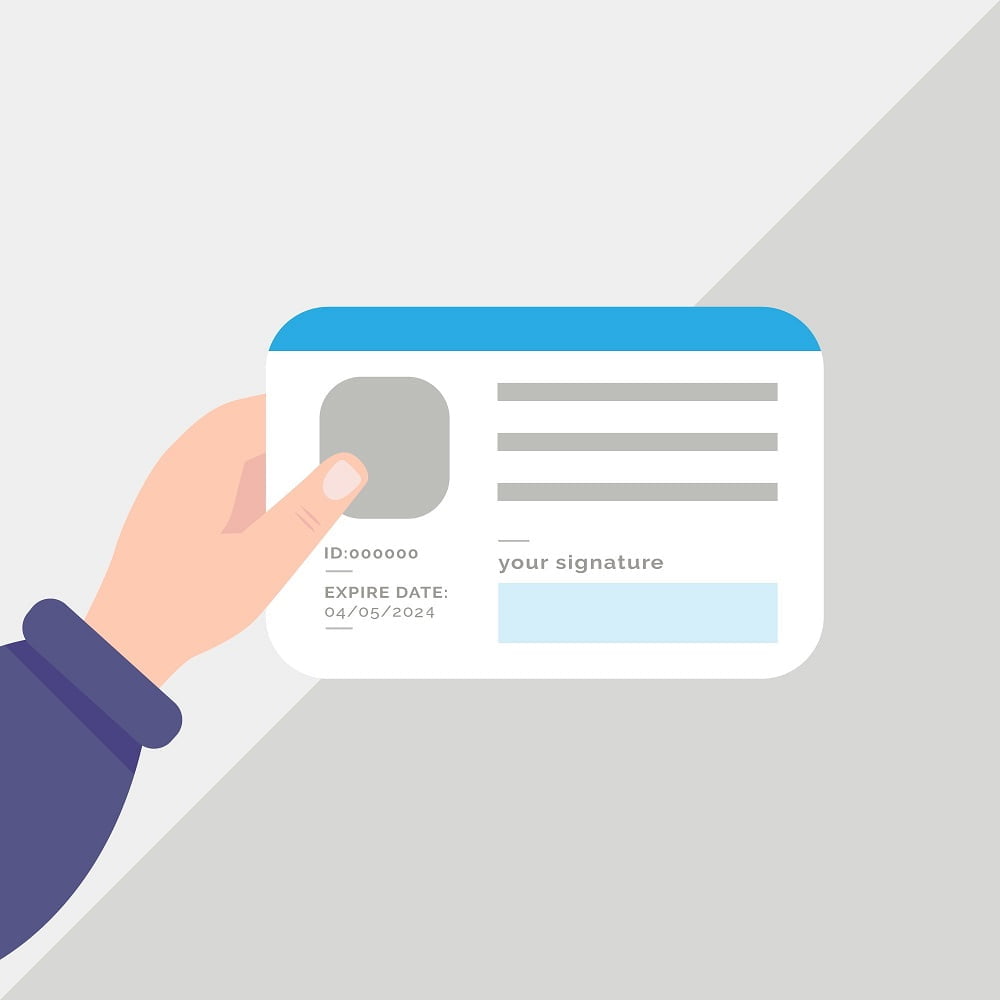
    Leading International Health Insurance provider, Cigna Global, has today announced that they have made the decision to no longer issue physical cards to members purchasing their International Medical Insurance products. Instead, Cigna Global will be providing their digital ID card as standard, which can be accessed via a members secure online Customer Area.

    For the last six months Cigna Global have been unable to issues customers with physical cards due to the ongoing COVID-19 pandemic as their teams continue to work from home. They state that this change has been well received by existing customers on their Worldwide Health Insurance plans and has led them to review whether this should be made a permanent change.

    Cigna Global state the benefits of this move include; better serving the evolving needs of their clients as they pivot to a digital preference, the reduction in environmental impact, and the benefit of no longer having to worry about losing their card.

    This means that moving forward new sales and renewals where a customer has made relevant changes to their policy, Cigna ID cards will only be issued digitally as standard across all of their International Health Insurance plans. Customers can continue using their physical cards unless they advise that the content included on the card has been updated and is no longer valid. The only exception to this will be Cigna Global Health Indonesia customer who will continue to use physical cards in al instances.

    Cigna Global Digital ID Cards

    Cigna Global state that their digital Cigna ID cards work in the same way. Members with a digital card can;

    • Allow a hospital to set up direct payment with Cigna Global so they can pay for the medical bill
    • Use their personal reference number to access all of their online information and services
    • Get in touch with Cigna Global. The digital cards features all the contract details required to reach the Cigna Global teams, anytime, anywhere.

    The additional advantages of their digital card include;

    • It is available from day one of the international Health Insurance uk plan
    • Provides a secure way to source plan information
    • Information is always accurate and up to date
    • Less plastic production and carbon production in delivery is better for the environment

    Digital cards are available on Cigna Global’s secure online Customer Area. To access this customers can visit www.cignaglobal.com then:

    • Click on the ‘Customer Login’ button at the top right of the page
    • Enter the email address provided on application with and then their password

    IMPORTANT NOTE: The policyholder, if applicable, must login to their secure online Customer Area and access beneficiaries cards on their behalf.

    While this is now Cigna Global’s standard stance across their range of International Medical Insurance uk plans. If members have a strong preference to keep receiving a physical card, this can be accommodated, once the Cigna Global teams return to the office. Members just need to inform their intermediary who can arrange this on their behalf.

    For more information on this announcement, or to discuss Cigna Global’s range of International Health Insurance products, please get in touch.

  • Price drop? Bupa makes major changes to Ultimate Health plan

    Price drop? Bupa makes major changes to Ultimate Health plan

    Bupa Global’s Ultimate Health Plan has sat at the top of the International Medical Insurance market for a number of years. It’s designed for ‘Ultra High-Net-Worth Individuals’ – people with a net worth of $30m plus.

    The product goes above and beyond what would normally be found in an International Health Insurance product. The features included in Bupa’s Ultimate Health Plan has made it an attractive proposition for those who qualify. In fact, you can argue it’s as much a lifestyle product as an insurance product.

    The Ultimate Health Plan includes:

    • Post-treatment recuperation in a health resort
    • Access to the very best suites in private hospitals. For example, the private suites at the Bupa Cromwell, where accommodation alone starts at between £5,000 and £10,000 per night.
    • Evacuation for medical and non-medical emergencies (such as natural disasters)
    • An incredibly exhaustive range of diagnostics, including genetic cancer screening
    • The widest range of treatments possible, everything you would usually expect plus prosthetic treatments and transplants

    The product is overseen by a ring-fenced private client service team of experienced, multi-language service specialists based in Copenhagen. Members on the Bupa Ultimate Health plan will have a dedicated contact in the team to manage all of the dealings on their plan as well as assistance in finding the best facility and booking treatment.

    While Bupa’s Ultimate Health Plan is a product unlike anything else in the International Private Medical Insurance market, it came with a price tag to suit, with prices generally starting at $20,000 per person per year. Which really did limit this to the Ultra High-Net-Worth market.

    Considering investing in Bupa Global’s Ultimate Health Plan? Get impartial advice from the independent brokers at Engage Health Group. Call +44 (0)1273 974419 or use the chatbox to the right. 

    What’s new for Bupa’s Ultimate Health Plan?

    Bupa Global have announced a range of product updates and what they are describing as an ‘overall significant price reduction (subject to underwriting)’. Product enhancements include:

    • Removed waiting period for health screenings
    • Added additional tests/therapies that can be claimed for under health screening such as:
      • Cryotherapy
      • Vitamin therapy
      • EMG test
      • COVID-19 antibody test
      • Stress-related therapies
      • Sports massages
      • Colonic irrigation
      • Therapy for sleep disorders
    • Dietetic guidance now available for a medical reason rather than limited to diabetes patients only
    • Footcare now available for a medical reason rather than limited to diabetes patients only

    These updates help the Bupa Ultimate Health Plan retain its place at the top of the tree, amongst stronger competition from Cigna Global and Allianz Worldwide Care, who are also keen to focus on this exclusive part of the market for UK International Medical Insurance.

    Have Bupa’s prices come down?

    The cost of the premium will vary according to a variety of factors, but now starts at around £10,200 per person, reaching as high as £33,000. Keep in mind, this is with medical history disregarded, global coverage (US included) and all the features mentioned above – and more.

    If you’d like FREE quotes and advice regarding Bupa’s Ultimate Health Plan and other international insurance products, please get in touch. Simply fill in our contact form or email enquiries@engagehealthgroup.co.uk