Category: News

  • The Future of Dental Care & How Your Business Can Benefit

    The Future of Dental Care & How Your Business Can Benefit

    From teeth whitening to crowns, and dental emergencies to extractions, a wide range of support can be included in a Group Dental Insurance plan. But like any area of healthcare, dentistry continues to evolve as new technologies and techniques improve the way in which services are offered.

    In this article, we summarise the importance of Group Dental Insurance plus look at how BUPA Dental Care has adapted to the pandemic, including some of the fascinating technological advances they have been working on.

    If you need professional advice and support navigating the world of employee benefits, contact us at Engage Health Group +44 (0)1273 974419. We’re here to help you find and implement the right scheme for your business.


    What is Group Dental Insurance?

    Group Dental Insurance offers cover for a wide range of dental treatments, such as check-ups, fillings, crowns, bridges, and X-rays. It can be provided as part of a wider Private Medical Insurance scheme or through a Health Cash Plan.

    Costs vary depending on the level of cover offered, but it is mostly paid for either by the employer, as part of a flexible benefits scheme, or by the employee (at a discounted rate) through a voluntary benefit scheme. The scope for flexibility makes it an accessible benefit for most businesses.


    What are the benefits of Group Dental Insurance for your business?

    53% of employees believe an organisation offering dental insurance cares more about the wellbeing of staff, according to Unum Dental.
    Here are some examples of why Group Dental is good for your business:

    • Shows support of employee health & wellbeing
    • Reduces absenteeism
    • Lower in cost compared to most forms of health insurance
    • Oral care is directly linked to overall health (such as heart disease), so can help protect overall health of employees – improving productivity/lowering presenteeism.
    • Improves staff retention & recruitment
    • Partners/dependent children can be included

     
    Are you looking to find the best employee benefits that addresses all your employees’ health and wellbeing needs? Get free one-to-one advice by using the chat feature in the bottom right or call +44 (0)1273 974419.


    What’s new with dental care according to BUPA?

    Covid has been responsible for increased waiting lists and restricted availability for face-to-face appointments. Like many businesses, BUPA Dental Care has been forced to adapt and innovate.

    BUPA has been developing a new type of hybrid dentistry which focusses on bringing oral care to the homes of patients. Meanwhile, routine appointments are now being delivered more conveniently via video consultations, helping to free up backlogs in the process.

    BUPA’s new advances target four different areas of the patient experience.

    #1 Remote assessment

    Remote ways of working became the new norm in the face of Covid. But could dental care really operate that way? Being such a closely physical task, it would seem impossible to digitalise or perform from a distance.

    Yet, BUPA worked to find the answer.

    After an initial consultation BUPA is giving its patients access to a ‘scan-box’ for their smartphones. These take photos of their mouths which are sent to a dentist to monitor remotely.

    The company has developed ‘Intraoral Scanners’ which record 3D impressions of a patient’s mouth and teeth. The digital 3D images are then used to create prostheses (i.e., implants, crowns, dentures etc) and guide procedures.

    These developments save time (by reducing travel time to the clinic) and lessens the risk that may be posed by physical interaction.

    #2 Dental maintenance and care

    BUPA has introduced smart toothbrushes which measure how effectively patients brush their teeth, collecting data as they go. Data is then passed onto a dentist, enabling them to create a tailored care plan. This information can also be shared with insurers to develop ways of rewarding good oral care – if the individual gives their permission.

    Dental maintenance is one of the key factors in oral health. This leads to reduced claims and protects employees against more serious conditions like heart disease and dementia.

    Poor maintenance can also lead to agonizing tooth pain. It can be disruptive and stressful, putting strain on mental wellbeing and the ability to focus. Poor oral health might seem like an isolated problem, but its impact goes much further for sufferers.

    #3 Convenient access

    BUPA is one of the largest UK dental networks with 488 dental practices and more than 2,500 dentists! Such a wide reach means that most employees will have access to at least one local dental practice, reducing workplace absences and travel time.

    Improving access further, BUPA are moving all their forms to online platforms. Patients can then fill out paperwork ahead of their appointments, reducing the chance of a backlog.

    #4 Real-time appointment schedules

    BUPA has developed a new cloud-based patient management system, promoting convenient and effective care. The digital database offers current information, remote virtual appointments, and streamlines appointments to reduce face-to-face time.

    An intelligent booking system will send out reminders of appointments as normal, but also react to delays by giving patients an updated appointment time. Access to this information at the touch of a button reduces time away from the workplace.


    Can your team benefit from innovations in healthcare?

    New advances in healthcare provides businesses with exciting opportunities to better protect the health and wellbeing of their teams. Improved services which are easier to access are ideal for employee and employer alike – in essence achieving maximum support with minimum hassle.

    As employee benefits consultants, we’re fascinated by how insurance products and offerings continue to evolve to better serve their customers. We keep abreast of these trends to better serve businesses and the employees who stand to benefit.

    Related reading: The 3 Pillars of Corporate Wellbeing: What Do Employers Need to Offer?
     

    At Engage Health Group, we work across the health and wellbeing marketplace to ensure you find the right policies at the right price, and ensure your whole benefits package provides prices from across the market.

    Contact our expert team at enquiries@engagehealthgroup.co.uk or call 01273 974419 for FREE no-obligation advice and support.

  • 5 UK Law Firms Leading the Way in Employee Benefits

    5 UK Law Firms Leading the Way in Employee Benefits

    The legal profession has long had the reputation for being a work hard, play little profession. Too often leisure time is taken up by long hours, difficult cases and extra-curricular learning.

    As the whole country still recovers from the fallout of COVID-19, there is a greater emphasis on personal development and wellbeing. The mental health of lawyers is something that firms need to address if they want to retain the best employees.

    Large prestigious legal corporations (Legal 100 and Silver Circle firms) are leading the way in this respect. Almost all of them offer:

    • Private Medical Insurance
    • Life Insurance
    • Income Protection
    • Pension contributions
    • Employee assistance programmes
    • Critical Illness cover
    • Dental Insurance
    • Plus other luxurious perks and benefits.


    Having these extra benefits shows that you are a firm that goes that extra mile for your employees. In this competitive industry, it’s a must.

    If you’d like FREE quotes & advice on how to develop your employee benefits strategy, call one of our experienced brokers today on +44 (0)1273 974419 or fill in the form on the right.

    5 UK law firms leading the way with employee benefits

    We have handpicked five UK based law firms who we believe are providing excellent support for their employees, setting the standard for other firms in how to develop their wellbeing strategies.

    Let’s see who they are and what they’re offering.

    1. Stephens Scown 

    Stephens Scown, based in Devon, Cornwall, and London, is a law firm with hundreds of employees specialising in rural, food & drink, tourism, mining and renewable energy. For 7 consecutive years, Stephens Scown has been on ‘The 100 Best Companies to Work For’ list. They aim to establish a work environment where their employees feel respected, trusted, and valued.

    This ranking can only be achieved through a comprehensive employee benefits scheme:

    • Private Medical Insurance
    • Group Life Assurance
    • Auto-enrolment Pension Scheme
    • Shared-ownership Bonus Scheme
    • Performance-related Bonus Scheme
    • Employee Assistance Programme
    • Cycle to Work Scheme
    • Enhanced Maternity & Paternity pay
    • Mentoring programme
    • 25 days holiday – rising to 30 days for partners & directors
    • 1-day extra birthday holiday
    • Flexible Working
    • Free annual flu vaccinations
    • Reduced fees for legal services
    • Funding for qualifications
    • Study Leave
    • 3 days volunteering leave each year
    • Social – end-of-month drinks / art club / choir etc
    • Employees have an equal share in profits under the scheme ‘Scownership’


    2. Girlings Solicitors

    Girlings Solicitors is a Kent-based law firm (since 1881) specialising in commercial, family, and individual clients with over 70 employees. With employee personal development high on their agenda, Girlings offers a range of employee benefits:

    • Private Medical Scheme
    • Pension Scheme
    • Discretionary Bonus Scheme
    • Employee Assistance Programme
    • Perkbox Benefits and Reward Scheme
    • Staff forum
    • 20-30 days holiday plus paid bank holidays
    • Additional holiday at Christmas
    • Social Activities
    • Childcare vouchers
    • Long Service Awards
    • Eye Care vouchers
    • Parking permits
    • Corporate Social Responsibility Activities e.g., Macmillan Coffee Morning, Wear it Pink)


    Do these ideas appeal to you, but struggling to see how they could fit together to suit your firm? Get in touch with the team at Engage, where we take the stress out of employee benefits. Call +44 (0)1273 974419.


    3. DMH Stallard LLP 

    DMH Stallard LLP is a South-east based law firm established in only 1970. The secret to their success starts at the core, with their employee benefits:

    • Private Healthcare
    • Life Assurance
    • Contributory Pension Scheme
    • Employee Assistance Programme
    • Cycle to Work Scheme
    • 25 days paid holiday
    • Extra day off for birthday
    • Interest-Free Season ticket loans
    • Childcare vouchers
    • Discounts on Legal Work
    • Dress Down Fridays


    DMH also places a huge emphasis on career development in their firm. Created in 2015, the Annual Review of Objective Meeting encourages the review of performance, learning and development needs.


    4. Coffin Mew 

    The Southern and Thames Valley-based Coffin Mew promotes a transparent and inclusive culture for their hundreds of employees, ensuring that all staff are kept up to date with the law firm’s vision, values, and strategic plans.

    Their employee benefits include:

    • Private Medical Insurance
    • Life Assurance
    • Pension contribution – increases with length of service
    • Company Sick Pay above the statutory
    • Maternity & Paternity Pay
    • Holiday for birthdays & a holiday buy and sell scheme
    • Flexible working – including a phased return to work


    5. Brachers

    Brachers is an award-winning law firm based in Kent, with 167 employees and an ethos of family amongst their employees. Brachers encourage their staff to think creatively and innovatively, ensuring an emphasis on employee respect and value. Employees choose a charity every two years offering an opportunity to get involved in organising fundraisers and events – bringing employees and the community together.

    Brachers also offer employee benefits to their lawyers:

    • Private Medical Insurance
    • Pension contribution
    • Life Assurance
    • Group Income Protection
    • Competitive Salary
    • Up to 26 days paid holiday
    • Staff Discounts
    • Discretionary annual bonus scheme


    Choosing the right employee benefits for your firm can be confusing and difficult. But these 5 individual law firms show that it is possible!

    Are you looking to find the best employee benefits solutions that targets all your employees’ wellbeing needs? The team at Engage will help navigate you through all the policies, products and platforms. Use the chat feature in the bottom right for any questions or call +44 (0)1273 974419.


    Why it is important for law firms to provide top employee benefits for their staff?

    Having a developed and well-thought-out employee benefits scheme at your law firm is rewarding for both employer and employee. Employee benefits create a positive work culture, where staff feel valued by the firm they work for and, in turn, will work harder for a company that makes them feel like an important part of the team. This also means a higher level of retention, recruitment, productivity, engagement, and risk management. A win-win for everyone, with health and wellbeing as a top priority.

    Related reading and key findings: Morneau Shepell; Mental Health Index

    The tricky part is knowing what is the best fit for you, even before approaching the complexities of how employee benefits is implemented in your workforce! Contact us through Engage Health Group for our free no-obligation advice and support and discover what can be offered to employees to support their wellbeing.

  • Summary of AXA Virtual Health Days Live Talks on Workplace Mental Health

    Summary of AXA Virtual Health Days Live Talks on Workplace Mental Health

    The AXA Virtual Talks provide insights from business experts, researchers, and non-profit speakers, giving a deep exploration of the factors affecting sustainable wellbeing.

    After 2 years of individual and collective struggle from the pandemic, social change regarding mental health has emerged. Through the whole world experiencing shared challenges, a “heightened awareness of vulnerability” is opening discussions on how we can enact change in the work environment to benefit both employer and employee, and how much cultural differences impacts this.

    Further reading: AXA Global Healthcare: Is it the right option for your business?

    AXA virtual health live talks

    AXA’s Virtual Health Days Live Talks consisted of 4 sessions to choose from. The sessions we, at Engage, joined were:

    Session 1 “Transitioning to a sustainable wellbeing society”, which explored mental health regarding young people, employees, and expats.

    Session 3 “Tackling the mental health impact of the covid-19 crisis”, discussing how the pandemic has affected work and mental wellbeing.

    Key takeaways and interesting highlights

    Mental health (Session 1)

    • 50% of all lifetime mental illness begins by the age of 14, 75% by the age of 24.
    • 25% of people who predisposed with depression before the pandemic has gone up to 51% during the pandemic, while anxiety has risen from 8% to 23%.
    • When working from home people feel they are disconnected, missing not only social interactions but also important data/information that could have negative impact on their day-to-day job functioning.
    • Work can contribute to mental health issues, but also workplace can have a role in the treatment of mental health disorders, this needs to be explored more in the future.
    • Young people have shifted the way we perceive work: work has become a means to fulfil other aspects of life, rather than living to work! There is more drive for flexible working – employers must adapt and learn from covid to keep up.
    • Young people with mental health issues struggle to find and hold down jobs: employers should be more flexible with their approaches to work hours, at home working, work schedules, and train managers in different mental health issues to be another source of support for other employees.
    • WHO study: long work hours leading to burnout. From 2000-2016, 745,000 deaths were attributed to long hours, more than deaths cause by air pollution. From an international perspective, working more than 55 hours a week is more common in Asia and Pacific than EU and Africa. In Japan, long working hours are a part of the work culture, while stigma in Morocco, these lead to more issue of mental health.
    • Working from home has both positives and negatives: no commuting time means a gain in 1-1.5 hours, but 40% say they spend this time working for longer instead of relaxing or seeing family. Also, with digital technology in place (24/7) it is difficult to disconnect from work. So, for some, it is now harder to have a good work/ life balance.
    • Predictions for future work: mixture of in-person (for interactions, discussions, meeting with people, gatherings, creativity) and at home digital working (for focussed concentration).
    • WHO study: 46% of expats returning looked positively at their experience, with 10% saying their mental health had deteriorated. Young expats are more affected, face more challenges than senior expats – less experience therefore need more support from organisations.
    • Employers need to take duty of care very seriously for expats, not only with Employee Assistance Programmes, but EAP with both virtual and physical means of connecting. What is really important is good management and caring, regular chats with expats, a holistic approach to mental and physical care.


    Mental health & covid (Session 3)

    Discussion around how mental health has evolved throughout the different phases of the pandemic – an interesting take on how the pandemic has affected all of us!

    • Beginning of pandemic: anxiety on covid itself – contracting the virus, fear of loss, fear for loved ones
    • Pandemic continuing: anxiety shifts to isolation, loneliness, relationship issues, burnout, juggling work and life at home, lack of control
    • Developing into: covid fatigue, economic pressures, redundancies, disconnection from other cultures and contexts
    • Had to learn to live alongside covid

    What is the role of the insurance providers, like AXA?

    Insurers have a role to play in breaking down the taboo of mental health at work! AXA with millions of customers have a responsibility to support both clients and society. Example of AXA’s initiatives to tackle mental health:

    • Open conversation to break down the tabu
    • Invest in research
    • Developing early intervention tools
    • Holistic platforms – from breathing exercises to talking to psychologists
    • Have a Duty of Care
    • Provide access to virtual doctors with the same language
    • Introducing affordable and accessible digital platforms
    • Emma app supported by both AI and humans: All-in-one insurance and health services platform across Asia, with 2 million users (1. View policies 2. Submit & track claims 3. Manage funds 4. Range of health services 5. Chatbox service 6. Teleconsultation service)
    • Angel app: same as above, being implemented across Europe


    What have AXA done since the pandemic for its employees?

    • Heightened awareness at an early stage of the pandemic – recognising a deterioration of mental health from employees
    • School help/child support – additional stress and isolation is a risk for employees with families, need extra support
    • ‘In this together’ initiative to find ways to connect with each other: Online yoga classes to help reduce stress and feelings of isolation/manager walk and talks to connect away from work
    • Invest in Mental Health First Aiders – AXA began this before the pandemic
    • Increase applications for EAP’s
    • Introduced app-based platform – access to doctors and psychologists, as a safety net
    • Promote inclusive culture


    Adaptation of workplace is key

    The AXA Virtual Health Days Talks provided an interactive take on an extremely talked about subject within the workforce. Such interesting commentary from all involved, leaving viewers with questions answered as well as wanting to discuss more.

    One of those lingering thoughts we were left with was raised by Prof. Lode Godderis (AXA-supported researcher, Leuven University, Belgium):

    “Remote working doesn’t become a means to perform best but becomes an objective and this is one of the challenges companies might have… as to what extent can we talk and discuss to employees about their needs, their expectancies, but also to see how we can create the best workplaces, including home.”

    “My advice is please think about the means you need to perform best and that make people engage and passionate about their job, rather than instrumentalising workplaces… I really think we need to adapt, be flexible, and listen to each other’s expectancies and doubts.”

    Contact us at Engage Health Group Ltd for our free no-obligation advice, where we can help answer any of your questions on how to best support your employees during this time.
     
    Speakers:
    Nadia Charbit
    Prof. Lode Godderis, AXA-supported researcher, Leuven University, Belgium
    Dr Jasmin Wertz, AXA-supported researcher, Duke University, USA
    Thomas Wilkinson, CEO AXA Global Healthcare
    Wiebke Welgemoed, Chief Operating Officer ICAS
    Andrew Davies, Chief Executive Officer ICAS
    Dr Leena Johns, Head of Health & Wellness MAXIS GBN

  • Engage International Receives Industry Recognition

    Engage International Receives Industry Recognition

    Engage Health Group’s global insurance broking arm, Engage International, is very proud that it has been chosen as one of the Best Corporate International Advisers at the prestigious Health & Protection Awards 2021. The winners will be revealed at the gala dinner in London on 14th October. UK Health & Protection Awards since 1998 is the celebration of excellence in professional standards and innovation shown by intermediaries and providers across private medical insurance, wellbeing and financial protection.

    Engage International was shortlisted for the Best Corporate International Advisor Category with their professional guidance and first-class client care delivered for a small international client, Timber Trading Agency International. The customer had an increasingly anxious workforce in India, UK, Lebanon and Ghana due to the growing pressure of the COVID-19 outbreak. Engage helped with the implementation of the employee assistance program, the communication of coverage changes plus with a COVID-19 emergency evacuation plan across four time zones and some of the lowest quality healthcare in the world, all in partnership with their business partner Bupa Global. (Read full case study).  Ian Abbott, director at Engage International commented: “We are committed to providing our clients with expert advice and we are truly honoured to be recognised for our work by the industry.”

    Ian Abbott joined the company in 2018 with focus around expanding Engage Health Group’s existing international client base. The international business at Engage has grown in recent years due to the increase in businesses looking to hire internationally as remoting working becomes more common, alongside the team’s expertise in international health insurance and the broader international benefits market. Ian Abbott continued, “With our unique and growing network of international partners in over 50 countries worldwide, we are now in a very strong position to help our international clients to streamline their employee benefits across their global footprint.”

    While globalisation is driving international growth, the standards of healthcare provision fluctuate significantly around the world and when we combine that with a complex regulatory landscape, strict visa and tax requirements, language barriers, covid pressure, unfamiliar surroundings and different healthcare systems to navigate through, it makes sense for global organisations to look out for external help from industry experts like Engage International when it comes to the protection of an internationally mobile workforce.

    ABOUT:
    Engage Health Group is a UK based health insurance broker and employee benefits consultancy, offering expert, impartial advice to both individual and business clients with access to all insurance providers in the UK and in the global market. Engage Health Group has a dedicated International division, Engage International, with over 23 years of combined expertise working with multinational businesses to review, source and manage their International Employee Benefits, which can include:

  • Aviva Launches Mental Health Toolkit for Line Managers

    Aviva Launches Mental Health Toolkit for Line Managers

    Insurance provider Aviva have gone the extra mile in their wellbeing services with the launch of a mental health toolkit available for line managers in 2021! The toolkit includes a range of bite-sized video training modules, developed by CBT clinics, alongside a Wellbeing Library with downloadable information and accessible guidance.

    Designed for Group Protection clients managing their workplace wellbeing

    Aviva ensured it would be available across all 3 product lines: Group Life, Group Income Protection, and Group Critical Illness.

    Both the Aviva Mental Health Toolkit and the Wellbeing Library help managers spot changes to increase the occurrence of early intervention. In short, this support provides managers with the confidence they need to carry out difficult conversations with employees and create a positive wellbeing environment.

    So, let’s dive into what Aviva has produced!

    Aviva Line Manager Toolkit for Mental Health – new in 2021

    • 7 bite-sized video training modules & downloads
    • Learn how to spot warning signs of poor mental wellbeing
    • Adaptable to physical and remote working environments
    • Examples scenarios
    • Easily accessible at all times & can revisit

    The 7 modules of the Aviva Mental Health Toolkit include: 

    1. Mental Health in Workplace: helping line managers identify employee behaviours / implement early intervention
    2. Changing Behaviour: teaching how to spot early warning signs of poor mental wellbeing – both physically and remotely
    3. Difficult Conversations: how line managers can feel more confident in supportive conversations with employees
    4. How to Respond to a Crisis Situation: content to help line managers identify a crisis, increasing their confidence in response & taking effective action – crisis contact car with information on who to alert and guidance
    5. Adapting and Adjusting in the Workplace: guidance on the reasonable adjustments that are needed to support employees to stay and return to work
    6. Looking after yourself: how to recognise and respond to your own mental health needs
    7. Signposting: understand the difference between signposting and giving advice – knowing what available support is already in place both externally and in the workplace

    Aviva’s Wellbeing Library: 

    • Accessible through the Aviva DigiCare+ Workplace app / Wellbeing Library online via a shared link
    • Guides, tools, tips
    • Categorised modules e.g., Financial Module: articles covering budgeting, how to avoid financial scams, how to build up money
    • Support on different issues incl. relationships, money, work, mental and physical health conditions

    “Supportive line management is a critical part of an employee’s satisfaction at work and managers are often either the first port of call within the workplace or the first to notice changes at the outset of an employee’s declining mental health.”
    – Sophie Money, group protection wellbeing manager Aviva

    As an insurance provider, Aviva aims to target as many employees as possible, to establish inclusivity in their offers. The Aviva Line Manager Toolkit works for any type of organisation – those without internal resources and those already with a dedicated HR/wellbeing department. The mental health toolkit can be adapted to fit any organisation’s style and needs!

    Engage Health Group is a UK based health insurance broker and employee benefits consultancy, offering expert, impartial advice to business clients. With access to all insurance providers in the UK and in the global market and with no allegiance to any, we compare the best insurance companies for you and secure the best possible premiums. Contact us at Engage Health Group for our free no-obligation advice.

    Further reading: Your guide to Mental Health First Aid in the workplace

  • The Obesity Crisis under the Spotlight in the Middle of the Pandemic | The BUPA Global Webinar

    The Obesity Crisis under the Spotlight in the Middle of the Pandemic | The BUPA Global Webinar

    As the Covid pandemic evolves it has made a major impact from mental health, flexible working, development of vaccinations, state of healthcare to human rights issues. But it has also raised serious questions about the growing percentage of the population with obesity, and its threat to global health and the economy.

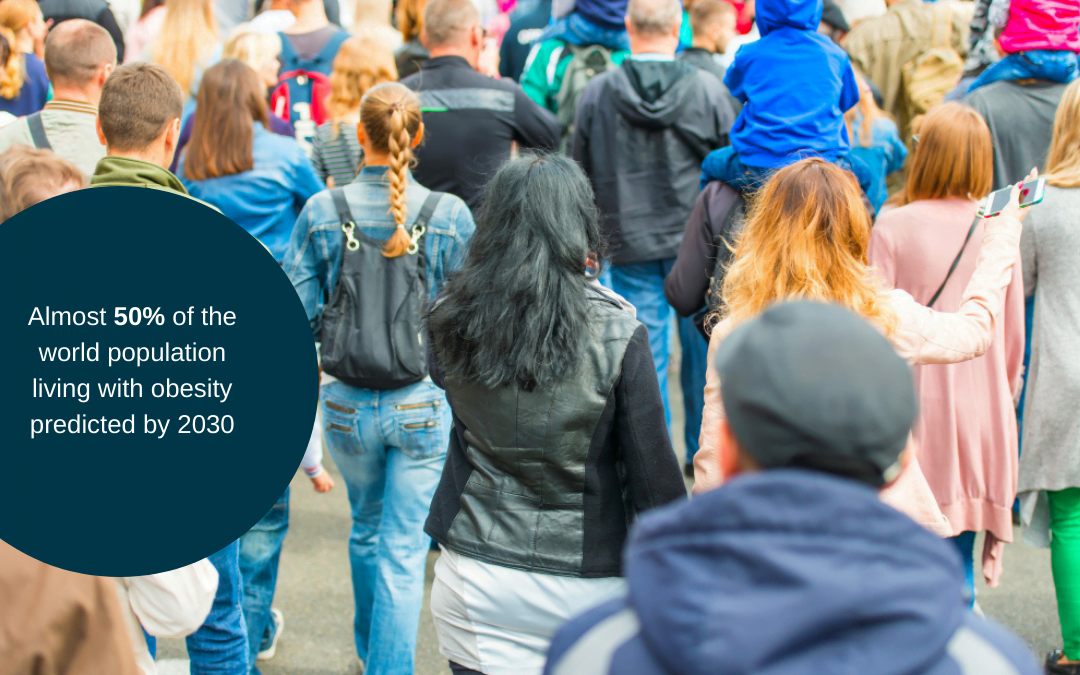
    Today, more than 800 million people live with obesity worldwide and this number is predicted to rise. By 2030 it is forecast that half of the global population will be overweight and this was the major topic at the Bupa Global Webinar; When Two Pandemics Collide: Covid and Obesity held on 07/09/2021.


    The worldwide prevalence of obesity nearly tripled between 1975 and 2016, and is set to continue

    % of world population living with obesity

    4% in 1975 16 % in 2016 50% predicted by 2030


    What is the connection between obesity and covid-19? 

    Dr Petra Simic, Medical Director at Bupa Global and UK explained that doctors started to realise early during the Covid-pandemic that people are not affected equally by the virus: more hospitalization, ventilation and death incidents were recorded for male’s over 60 years, within certain ethnic groups, suffering from diabetic problems, immunosuppression and having obesity. This was an interesting finding as doctors would have usually expected people with respiratory diseases to be worse affected by Covid-19, but this isn’t the case. Obesity is now looked at as an independent single risk factor. Actually, Covid-19 death rates are 10 times higher in countries where more than half the population is classed as overweight (World Obesity Forum).

    Dr Petra Simic mentioned that half of the Covid patients in intensive care units have some sort of blood clot. So, Covid-19 (a prothrombotic disease) and obesity (a prothrombotic condition) coming together is not a good combination. Furthermore, evidence reveals that Covid targets the same organs that suffer from obesity, either directly or indirectly: heart, guts, liver, kidney, pancreas, brain.

    Obesity could also affect the ability for a good immune response to vaccination, hence it is currently being studied as to whether the vaccination is less effective among people with obesity.

    Overall, there is sufficient evidence that people with obesity have a greater risk of death or hospitalisation with Covid-19. The Covid pandemic highlighted how obesity leads to the development of other serious illnesses, adding a huge pressure on the health services around the world.

    Obesity: Result of lifestyle choices or a disease?

    Obesity is a complex disease involving an excessive amount of body fat measured by BMI (Body Mass Index) that can occur at any age to both men and women. While the social perception or stigma still focuses on size and diet, it is recognised amongst more and more health professionals that obesity is actually a chronic disease.

    It is a medical condition that results from a variety of factors:

    Genetics

    People who are genetically predisposed to obesity will be more likely to struggle with obesity. Recent studies confirmed that genetic influences are more dominant than environmental factors. For example, identical twins are more likely to have similar weight even if they are brought up in a different environment; females in South Africa or the Afro-American community in the USA tend to be more obese.

    The genes you inherit from your parents have a major effect on your metabolism, how you store and burn fats and how your body regulates your appetite. We need to understand how the gut communicates the sense of feeling full and hunger to the brain, there are 1000’s of hormones involved in these complex interactions!

    High calory intake – a sense of hunger is a powerful biological drive. There are lots of severely obese patients who cannot shake the feeling of hunger, making their body believe it desperately needs to react. In the same way that when we have pain in our body, the only thing we can think about is how to resolve that pain.

    So, diagnosis is not easy and more studies are needed to get a full understanding of this complex disease. 

    Environmental factors

    These are the cultural and social habits in your country or within your family. For example, what type of lunch is provided by your school, what type of dinner is cooked regularly at home, what the education and health system in your country teaches you, whether there is an easy access to a gym, what sort of foods are available in your local supermarkets, or what food labelling regulations apply in your country.

    In short, your physical activity, exercise choices and diet will play a part in developing extra weight. It is very important to mention that psychological factors such as stress, anxiety and mental health issues also have a huge emphasis on this.

    When we talk about obesity, it is imperative that we look at the roots of the problem instead of taking a bias opinion that the individual didn’t take care of her/his health.

    The double challenge with obesity

    The major issue with obesity is that it increases the risk of other diseases and health problems. These can range from heart disease, strokes, diabetes, certain type of cancers, high blood pressure, digestive problems, elevated cholesterol to osteoarthritis. Obesity is also the most important modifiable risk factor for type 2 diabetes.

    Overall, there are more than 200 identified diseases that are likely to be caused by or contributed to, obesity, which is a frightening fact. From this, we can draw a conclusion that obesity likely to be the main driver of mortality in the world at present.

    Why is obesity not taken more seriously?

    The main reason is the world of bias and stigma around obesity. Early prevention and intervention is not part of the general GP practise or conversation. It is not currently a priority of the healthcare service. Johanna Ralston, CEO at World Obesity Federation highlighted that healthcare professionals don’t get training on this in medical school, not even later at primary care level, which is sadly the case in many countries. There is an element of unconscious bias amongst health professionals as well.

    The truth is that people are not comfortable with talking openly about their body index with their GP as they feel ashamed. By the time the patient and GP have a conversation about it, they have often already developed high blood pressure or high cholesterol levels.

    Stigma and bias are different in different parts of the world. For example, in China, excess weight is a sign of wealth and westernisation, highlighting the influence of cultural factors.

    Another reason as to why there is a slow uptake in treating obesity seriously worldwide is the complexity of the disease – the cause factors and correlations were not clearly understood for many years. Dr Philip Schauer, Director of the Bariatric and Metabolic Institute at the Pennington Biomedical Research Centre commented: It is easier to fall back on some of the stereotypes than dealing with a systematic issue when there isn’t a single answer or solution.

    What is the cost of obesity?

    There are successful treatments today that are working effectively with enough evidence to show that even modest weight loss leads to significant health improvement. These treatments include lifestyle changes, behaviour modifications, dietary consultations up to hormone treatments, medications and surgery. The cost of regular preventative health checks and the cost of early interventions are minimal compared to the cost of treating potentially serious health problems for many years to come.

    For severe obesity, gastric band surgery is an effective option that should be made more accessible to people. The surgery now only involves a one-night treatment in hospital which is very safe and common. The vast majority of the weight loss is maintained for many decades, proving the effectiveness of this operation. Recent studies show that mortality risk was decreased by 50% for those who had surgery compared to those who didn’t and kept their weight.

    The capital cost of this operation is much lower than the overall long term cost implications of dealing with diabetes, cancer, heart or kidney conditions, just a few to mention.

    As more and more people become obese, the costs of obesity and obesity-related diseases are increasing. As per the WHO, the total cost of high BMI to health services globally is almost $1 trillion, over 13% of all healthcare expenditure.

    This is why the state has a self-interest in revolutionising the care service around obesity in addition to their social responsibility of saving the lives of their citizens.

    The role of health insurance providers to tackle the obesity crisis

    Health insurance providers also have an important role to play in tackling obesity by offering related products to their customers. One of the reasons why obesity is slowly picked up by the insurance providers is that there isn’t a comprehensive government strategy and there is a myth in the understanding whether it is a preventative product, a chronic disease, wellbeing or a self-care product. There is also a level of bias as well.

    In general, treatments for obesity are not covered by private medical insurance in the Business Health Insurance UK market. Having said that, Vitality does offer weight-loss surgeries (gastric banding, gastric bypass, gastric sleeve) under lifestyle and corrective surgical procedures where it is clinically necessary and meets eligibility criteria. In the International Health Insurance marketplace, a small number of insurers do provide cover for obesity surgery, when members are over a certain BMI and are clinically referred for treatment.

    On a broader level, insurance providers have a huge responsibility to increase awareness around the global obesity crisis, to raise the profile of successful weight loss interventions and treatments as well supporting people more early on in their obesity healthcare journey. There is also a significant commercial advantage to them by helping to highlight the issue and actively encourage preventative strategies.

    What can employers do to help their overweight or obese employees?

    Having a happy and healthy workforce means a greater chance of employers achieving their business goals, so more businesses have started to offer a broad range of benefits. For example, health insurance, employee assistance programmes, health cash plans, flexible working & wellness programmes for their staff.

    Over the last few years, there has been a huge rise in mental health awareness, training and support offered by employers. There has also been a growing push for supporting women with their menopause at work. It is hoped that obesity will follow the same path as these two in the coming years and become an area of real focus. Employers can do a lot to support their staff with regards to raising awareness on obesity and being proactive to avoid their employees developing the disease.

    Such proactive activities could include;

    • Obesity awareness training
    • virtual consultations with a specialist doctor
    • accommodating the right working environment
    • dietician advice
    • basic health checks for BMI, diabetes, glucose, blood pressure, cholesterol, heart rate as a preventative measure
    • gym membership discounts and organised sport activities
    • free fruits for lunch
    • vending machines with health options

    Contact Engage Health Group to discuss how your business can support your employees’ wellbeing. We are happy to give you free, no-obligation advice.

    Summary

    With over 2 billion people being overweight and with almost 0.8 billion being obese today, it touches every society on Earth. Obesity is a disease in itself and also one of the key risk factors for developing other diseases, consequently claiming many lives today, and it is expected to rise.

    There is a need for a global shift in how we think about, and approach, obesity. The health industry needs to treat it like cancer or strokes, moving the stigmas of obesity away from lifestyle choices. There needs to be necessary funding for early intervention, education and treatments, also a coordinated global response driven by the healthcare system.

    Johanna Ralston, CEO at World Obesity Federation commented on obesity as “the next big issue driving mortality” or Dr Philip Schauer, Director of the Bariatric and Metabolic Institute at the Pennington Biomedical Research Institute “the other pandemic”. With these comments, the alarm bells should be raised for all businesses, states, insurance providers and individuals.

    The top 5 benefits of corporate wellness programs

  • ISO 31030 Travel Risk Management is Now Released – Your Complete Guide

    ISO 31030 Travel Risk Management is Now Released – Your Complete Guide

    Engage Health Group International Director Ian Abbott has recently explained and discussed the September release of the new ISO 31030 Travel Risk Management, detailing how it can provide the best support for internationally travelling workers. We at Engage wanted to further outline a guide on the ins and outs of the new ISO standard, setting the benchmark for the best practices in corporate travel.
    World Travel Protection hosted a webinar this June by Alex Twiggs (WTP Director), which incorporated insights on the new ISO 31030 Travel Risk management standard. In this guide, we will touch on the key takeaways from the announcement and what the new ISO 31030 means for international organisations.
    The ISO 31030 means international businesses go from a lack of understanding and unpreparedness for risk situations to having a well-thought-out critical travel risk management strategy. So, here is how the new ISO standard is changing the face of travel risk management and assessments.
     

    What is the ISO 31030 Travel Risk Management standard? 

    Originating from the ISO 31000 (2018) Risk Management, the 31030 standard is bringing risk assessment and management further into the travel industry. The new standard will provide organisations with a global Travel Risk framework, where all companies will need to align their existing management strategies to, developing the best safety procedures for their employees.
    The aim of the ISO 31030 is to promote a global culture with international businesses by making travel-related risks a more serious matter. The new standard focuses on the travellers and the risks they will face, providing guidance and tools for managing risks under a common language and principle.
    The ISO 31030 will cover all aspects of business travel: authorisations, planning, policy, traveller assessment, transportation, destination, accommodation – to name a few!
     

    Why is ISO 31030 needed for international business with corporate travel? 

    For many businesses working internationally, corporate travel is unavoidable and needed to expand into new markets and clients. With the world becoming more globalised and connected, the number of countries workers are travelling to is growing, consequently raising the number of risks that will be encountered.
    With international companies working globally, not having a local base can lead to complexities in protecting employees compared to those in domestic locations. Therefore, the more focussed approach outlined in the ISO 31030 standard is needed.
    The emergence of the ISO 31030, following the pandemic, has meant that international businesses can explore what has been going wrong in their travel management plans. The pandemic has brought forward a different set of issues and safety risks that weren’t apparent before, and this developed ISO standard provides a space for travelling employees to state what is needed for their health and safety from their organisations.
    Providing detailed support for these internationally mobile workers gives travellers the confidence they need to feel safe when working elsewhere in the world.
     
    (Which Businesses Should be Considering Kidnapping and Ransom Insurance?)
     

    Where to start with Risk Management?

    A good starting point for approaching your organisation’s risk management plan is by identifying everyone that is affected and involved. This can be done through feedback forums and mechanisms.
    Keeping up-to-date information on employees and business travel locations is also a good place to start, where this travel risk information should be incorporated into the overall basics of a risk management strategy.
    There are also external tools that are available to companies to help with getting started with risk management. For example, the Check My Travel Risk website which allows organisations to check their existing travel risk programmes against the new ISO 31030, guiding how to implement the best management for their travelling employees.
     

    Rules and responsibilities

    Businesses have a Duty of Care to their employees no matter where in the world they are. Duty of Care is a businesses’ moral and legal obligation to care for its employees. Regarding travel, this means ensuring the safety and security of travelling employees as an organisation’s responsibility doesn’t stop when employees arrive in a different location.
    Employees also have a Duty of Care to their companies as they need to communicate effectively on incidents and risks that occur when working abroad through feedback forums. Organisations can then learn from issues and implement change.
    Once understood, this loop of accountability between staff and employers will help travel risk managers to develop a streamlined process to ensure safety, developed from open discussion and critical collected data.
     

    Travel risk and accommodation

    Accommodation is a vital part of managing travel risk – to the point that the hotel industry was deeply involved in the creation of the ISO 31030. The hotel industry was the expert travel industry group, outlining issues of hygiene, fire safety, and general travel safety.
    The hotel industry helps to ensure that accommodation is fit for business purposes, meaning they are constantly aware of risk avoidance, reduction, and risk-sharing.
     

    Does the ISO 31030 provide a Risk Management template?

    The ISO 31030 uses the same terminology, principles, and framework as the previous ISO 31000, referring to the same risk profile template on how to build risk tolerance and dealing with general risk. The new ISO provides a more structured approach to the development, implementation, and evaluation of strategies. However, there is still room for variety where organisations can adapt to the risk management templates to fit with their company.
     

    Which businesses does the ISO 31030 target? 

    The ISO 31030 travel risk standard is available for all organisations and industries, where the size of your business doesn’t matter. From commercial, charities, education, non-government organisations, non-profit, HR, health and safety, procurement, sales, marketing, to security – it applies to all!
    The only industries that the new standard won’t apply to are tourism and leisure organisations.
     

    Summary 

    The safety concerns of travelling employees have always been a priority for organisations, but with the world still dealing with the fallout from the pandemic, the Duty of Care is higher than it ever has been before. The development and release of the ISO 31030 couldn’t have come at a better time, especially as a return to travelling across the globe is in full swing.
    Providing clarity and support for organisations, international businesses must also develop a shift in their risk management strategies to fall in line with the upcoming changes emerging from this Autumn. Look here to learn more about international employee benefits and safety issues.
     
     
    Contact us at Engage Health Group where we give free no-obligation advice and support, simplifying any international needs and enquiries.


  • Employee health checks on the rise in the face of COVID-19

    Employee health checks on the rise in the face of COVID-19

    Employee health checks getting people back to work

    Despite COVID-19 slowly becoming the new normal in our everyday lives, the general climate of demand and strain on the NHS is still high. During the second wave of the pandemic, there was never any fewer than 10,000 COVID patients in the hospital, with more than 3,000 new COVID patients being admitted every day.
    So how does this impact general perceptions on health? Particularly in the workplace?

    For any organisation to be successful, maintaining the wellbeing and health of employees must be a priority. One strategy that many organisations adopt to develop their wellness strategies is frequent employee health checks for staff, opening and normalising discussion on health and wellbeing. The continued presence of COVID has made this even more important.

    Pressure on NHS services has meant a huge increase in those waiting for even just a first appointment. The Department of Health produced figures from April to June 2021 that 348,867 people were on the waiting list for appointments, a rise of 38,946 compared to the previous year. This is an immense amount of people, resulting in inevitable frustration and negativity towards health services. Are these attitudes the same for employee health checks?

    As we approach our second autumn of the pandemic, how much is COVID still affecting the approach to employee health at work? Is COVID impacting the level of response for employee health checks? And what else can employers do to help?

    What are employee health checks? 

    Employee health checks are detailed check-ups aimed to provide a clear view of an employee’s health and wellbeing. They help to identify potential health risks, ensuring that members of staff are fit to be in the workforce.

    Employee health checks are designed to target individual needs, so there is no one-size-fits-all structure. They can be adapted to suit company size, location, overall wellbeing strategies, and individual needs.

    NHS health checks are offered to everyone aged 40-74 in England every 5 years, but companies can develop their own employee health scheme including either a basic health check or full:

    • Basic: blood pressure, heart rate, height & weight, body mass index, cholesterol, diabetes hydration percentage, body fat percentage, glucose
    • Full (includes the above): urine analysis, full biochemistry profile, liver & kidney function, nutrition, spinal assessment, lung function, breast examination – as a few examples.


    Look here to find more on what employers can offer with employee health checks.

    Is it a legal obligation or an opportunity for businesses?

    Employee health checks are not enforced by law or government standards, leaving the responsibility down to the employer to ensure they are available to their staff. Any type of employee health checks are becoming increasingly popular for companies in the face of the pandemic, with increased emphasis and anxiety around health.

    Sally Bedeau, Loch Wellbeing’s Business Manager at Loch Associates added “Whilst there is no legal obligation for employers to offer Health Checks at work some businesses find that this can benefit both the employee and the business. Employees feel looked after, valued and cared for and businesses can use high-level data gathered from health checks to identify if there are any common health issues affecting their workforce that they can help to address through targeted wellbeing initiatives.”

    In one of their case studies Loch’s HR Medical Specialists identified that in a cross-site organisation, one location had higher average blood pressure readings than the others.  It was identified that the common cause of this was that there were more smokers based at that location. The business, along with advice from their HR Medical Specialists, then supported the employees to either quit or reduce smoking, resulting in an overall improvement in health.  It also resulted in reducing sickness absences in the future.

    Sally added “With our wellness checks at Loch Wellbeing, individual health information is kept confidential but the business report we prepare is an invaluable insight into the health of the workforce. In this report, our HR Medical Specialists will identify any concerns, highlight areas for improvement and how that can be achieved.  By following the HR Medical Specialists’ recommendations businesses can reduce absences, increase productivity and have a healthier and more engaged team.”

    How have employee health checks changed since COVID?

    To keep up with the ever-changing landscape of the pandemic, every aspect of work and life must also adapt. This also goes for employee health checks. By adapting the regular procedures of monitoring employee wellbeing and health in line with COVID, businesses can access the knowledge of how best to prevent the spread of illness and ensure the best possible environment for their employees.

    Popular health checks since COVID:

    • Temperature screening checks: quickly manage employees with potential symptoms
    • Health Checkpoints: designed to not disrupt the general workflow, can include surveys, booking socially distanced desks, technological-based help
    • Hand sanitiser and cleaning stations 
    • Access to lateral flow testing
    • Emphasis on respiratory checks

    One issue that employers are now facing is the emergence of ‘Long COVID’ (continuation of symptoms more than 12 weeks from getting ill). The lack of support and knowledge surrounding this means employees are left feeling isolated and confused whilst struggling with symptoms. Employee health checks can be a way for employers to tackle this, opening a dialogue for staff and access to support.

    However, not everyone has access to health checks due to increasingly long waiting lists. Employers must also find other ways to show their support, such as flexible working hours giving staff the room to adapt to a different way of working.

    Impact of COVID on waiting lists – statistics and attitudes 

    As outlined above, the influence of COVID has seeped into almost every aspect of life. A leading current topic is how seriously the pandemic has affected NHS waiting lists and the backlog for treatment. This backlog acts as an obstacle for many people, giving rise to a new approach to health where the public are waiting things out until after COVID. In short, people aren’t attending health checks producing a general atmosphere of poor wellbeing and health.

    This delay is a result of the public trying to help the NHS as they struggle with pressures from COVID! But instead, people are left with not getting the help they need when they need it.

    Employers can support their employees by informing and pushing them to respond to signs and symptoms, ensuring staff take full advantage of other health services that are on offer. Through a well-developed wellness strategy and employee benefits scheme, including employee health checks, employers can create a workspace that feels safe and productive during unprecedented times and prioritise the wellbeing of their employees.

    Aviva’s report “The Changing Landscape – Embracing a New Approach” outlines how 48% of people polled said they would be more likely to take up a health check than before the pandemic. Unfortunately, 60% of respondents hadn’t had a health check in the last 12 months. This highlights how the pandemic has made health more of a priority for employees, but there is little support for the increased demand and receiving a health check is near impossible.

    Again, this is where employers must step up for the wellbeing of their staff where other services are straining in the face of the pandemic.

    (Top 5 Benefits of Corporate Wellness)

    Wellbeing and Engage Health Group 

    Employees attending their health checks at work is incredibly important. It provides an opportunity for at least an initial appointment and the option for referrals during a time when everything seems difficult to achieve. Having employee health checks on offer promotes integrity and trust in an organisation, showing employees that you value their wellbeing and care for their health.

    Employee health checks are just one way organisations can provide further support to employees during the pandemic. Look here to see what else can go into a wellbeing strategy.

    Contact us at Engage Health Group for our free no-obligation advice and discover what else can be on offer to employees to support their wellbeing and health during COVID-19.

  • Engage Health Group Provides Employee Benefits Tehnology to over 220 Martlets Employees | A Customer Success Story

    Engage Health Group Provides Employee Benefits Tehnology to over 220 Martlets Employees | A Customer Success Story

    A new digital approach to employee benefits


    The world of employee benefits has changed dramatically over the past 10-15 years, and with attitudes to employee care improving at pace, we have been honoured to work with many leading businesses across the UK to inject some innovation and expansion into their employee benefits provision.  Most recently, this has included Martlets Hospice ltd.

    Martlets is a local well-known charity that provides terminally ill people in Brighton and Hove, and the surrounding areas, with the very best care and support. Opening in 1997, the charity itself has now supported over 25,000 people in a range of ways such as care in their own homes, via pain relief within the hospice itself, physio, counselling and to respite care.

    With such a difficult 18 months in the charity sector and some exceptionally challenging times for staff, Martlets were keen to explore ways they could develop their own employee benefits, and provide a more digital approach at the same time.

    Engage has been working with Martlets for several years, managing their Health Cash Plan, and more recently, helping to improve their Group Life Assurance coverage.  It was from here that Engage suggested taking the next step and exploring a new digital approach to employee benefits.

    So, this summer saw the launch of Martlets own employee benefits platform, “My Benefits” which was designed and implemented by Engage via their technology brand, Engage Connect. The purpose of the platform is to house Martlets existing core employee benefits (Health Cash Plan and Group Life), but also offer a range of other value-add services for staff to access.


    Engage Connect employee benefits platform offers tangible advantages


    1. Employees are enrolled into a Health Cash Plan via the new platform, and can elect to increase their cover and add partners to the policy.  They can easily view the costs and benefits associated with the different plan levels, as well as clearly seeing a cost breakdown of their employer contributions, versus any amount they are paying themselves.
    2. For the Group Life, employees can quickly see the level of cover they have, access important terms and conditions of the policy, and download their Expression of Wish forms, which are then stored with the People Services team at Martlets.
    3. The employee benefits platform also contains information of other relevant services which Martlets make available to their teams, including local counselling services and cycle to work schemes.

    Anna Kingston Royce, People Services Lead for Martlets, commented

     “Introducing this platform has given us the space to showcase all our employee benefits in one place, which allows colleagues to understand the value of their total reward package.  It was straightforward to set up, and makes it easier for colleagues to find information and make changes to any of their benefits.  Engage were very responsive to any queries we had and ensured the process ran smoothly.”

    Some of the additional services which are made available via Engage are as follows;

    Discounted Cancer Screening for the 6 most prevalent cancers, most of which can be self-administered at home.

    Discounted Allergy Testing for adults and children, again, is available to be self-administered at home before being sent to the lab for analysis.

    Discounted Allergy Testing for adults and children, again, is available to be self-administered at home before being sent to the lab for analysis.


    A new affordable way into digital benefits & positive employee experience


    The online employee benefits platform itself is a great way for employers to organise their benefits and store them in one central place for employees to access. Often, employee benefits can be decompartmentalised, with different internal stakeholders managing them, and with employees unsure what’s on offer and importantly, how to access or amend them.

    Traditionally, employee benefits platform technology has been reserved for large corporates, where cost wasn’t a significant consideration.  The SME market has always been underserved in this space, but now, as more and more employees expect to consume benefits in a digital/online way, the market is changing.

    Engage Connect employee benefits platform aims to provide employers with an affordable way into digital benefits, where previously the costs would have been too prohibitive to consider. Employees can access the platform anywhere and anytime allowing them to make smarter decisions at their convenience and increase their benefits participation.

    Engage Health Group is an independent Employee Benefits Consultancy, partnering with all insurers and service providers across health insurance, cash plan, group risk and more, we can act as your one-stop-shop for broker and technology solutions.  This means the broadest level of consultancy, support and experience for our customers, and the lowest possible costs!

    If you would like to talk about taking your employee benefits digital, please do make contact and we can happily arrange a demo!


  • The Growing Importance of Financial Wellbeing for Employees during the Pandemic | The Aviva Study

    The Growing Importance of Financial Wellbeing for Employees during the Pandemic | The Aviva Study

    As the UK continues to grapple with the unknown territory of living alongside a pandemic, over 1.5 million people are experiencing a combination of financial debt and mental health problems (The Money and Mental Health Institute). The ambiguous climate of the UK leaves employees exposed to confusion and uncertainty but also the opportunity of growth and new opportunities. One topic of conversation is the growing importance of financial wellbeing for employees.
    The past 18 months have highlighted the truly unpredictable nature of life, but, through this, the need for security and stability has become increasingly desirable for employees. Financial wellbeing and resilience are imperative for our quality of life, enabling us to enjoy ourselves both now and in the future.
    So, what financial lessons have we learnt from the pandemic? Using research from the Aviva report “Thriving in the age of ambiguity: building resilience for the new realities of work”, we can question why financial wellbeing for employees is becoming increasingly more important. And why is it so important for employers to pay attention?
     

    What is financial wellbeing for employees? 

    Financial wellbeing for employees is a sense of security and safety, feeling as though you have enough money to cover your needs. However, financial wellbeing is not just about having enough money to pay for everyday living. It is also about control. Control over future finances, control over day-to-day finances, control over financial freedom to be able to do what you enjoy most in life.
    Employees with financial wellbeing can prioritise the things that are meaningful to them, without the constant cloud of financial difficulty hanging over them, both now and in the future.
    Financial wellbeing is closely linked with mental health, where the stress caused by debt and anxiety around day-to-day living costs can take over an employee’s outlook on life. Increasing the feeling of control over finances improves mental health, giving employees a sense of autonomy.
     

    The climate of the UK and the growing importance of financial wellbeing 

    Attitudes towards the importance of wellbeing have been accelerated by the unprecedented events of the last 18 months. The pandemic has intensified financial inequalities amongst employees, with everyone having to face their own specific financial needs. These can range from cost increases in childcare, furlough schemes, going part-time, redundancies, supporting family members, decrease in career drive – the list of how the pandemic has affected our everyday lives is endless!
    Alongside the ambiguous climate of a post-pandemic UK, increases in taxes will also heighten anxieties around financial wellbeing. The 1.25% rise in the National Insurance tax confirmed to be in place by April 2022 is just another concern to consider during this time.
    However, despite these emerging circumstances causing an increase in anxiety and monetary strain, how are employees responding? Can employees build on their financial wellbeing and learn from the obscure events of 2020 / 2021?
     

    Negative and positive impacts of the pandemic on financial wellbeing for employees 

    Financial wellbeing for employees is personal to each person. This means that every employee’s financial response and outcome from the pandemic is specific to them. Whereas some employees have been able to raise their financial wellbeing, others have reduced incomes and facing larger debts than ever before.
    Some of the positive and negative outcomes of the pandemic on the financial wellbeing of employees are divided below.
    Positively: 

    • Two in five (41%) of employees say the pandemic has positively impacted their ability to save
    • 39% of employees say their total debts have decreased over the last 12 months
    • Working from home / remote working saves money – travel costs/lunch
    • Around a third of employees say they are now more confident in feeling prepared for another financial crisis (Close Brothers research)

    Negatively: 

    • 24% of employees feel they made bad decisions about debt during the pandemic – with 51% being 18–24-year-olds revealing how young people have been the most vulnerable to financial hardship
    • 83% of Gen-Z and 71% of Gen-Y agree that finances sometimes control their lives
    • 15.9 million people consider themselves more financially vulnerable than they did in March – with 33% saying reduced income was the main reason for this (Royal London research)
    • Millions of employees existing on a reduced salary, and many more whose wider household incomes have dropped due to a reduced income from a partner or family member
    • Two in five employees have been more worried about their financial health in lockdown (Close Brothers research)
    • More emphasis and anxiety on finances means a decrease in productivity at work – damaging health and wellbeing and relationships both in and outside work

    Although some employees will have maintained a healthy financial wellbeing standard over the last 18 months, every single employee has been impacted by COVID in some way or another, whether that’s negatively or positively.
    Those fortunate enough to have saved during the pandemic, or maintained their high earnings, also face challenges in response to COVID. Knowing how best to invest money, or to understand and avoid tax traps, can prove extremely difficult without the right support! Check out Engage Wealth Management for their extensive advice on investments and pensions, getting support either on an individual or corporate level.
    To summarise, using the Aviva 2020-2021 study:

    • 57% of employees are getting by financially
    • 39% of employees say their financial situation is affecting their mental health
    • 30% of employees are concerned their money won’t last
    • 26% of employees say their current level of debt is affecting their wellbeing


    How can businesses approach financial wellbeing for employees? 

    With financial wellbeing for employees becoming more and more important, employers must find ways to adapt and keep up to date with their staff needs and how they can promote wellbeing at work.
    A well-structured financial wellbeing strategy (as part of the overall employee benefits strategy) will focus on education and advice for employees, promoting personalisation for individual circumstances and needs. Organisations can tailor the support they provide by acknowledging the differences between staff – personality, age, gender, disability.
    Below are some recommendations for employers to help make financial wellbeing more of a priority at work:

    • Provide accessible information in a variety of ways e.g., events, apps, open discussion, one-to-one advice
    • Creating a safe and open space for discussion
    • Personalised financial education – also targeting overall wellbeing
    • Supporting the Living Pension – ensuring workplace pension produces a minimum standard of living in retirement

    By establishing a personal approach to financial wellbeing for employees, it gives staff the confidence and feeling of control that is needed when approaching financial issues. It also promotes your company as providing for the future wellbeing of employees, retaining loyalty and an atmosphere of trust in the workplace.
     

    How can Engage help?

    The influence and importance of financial wellbeing for employees are only becoming more obvious as we continue to face the repercussions of the pandemic – financial wellbeing leads to mental & physical wellbeing and then to a thriving positive workforce!
    The key to a strong financial wellbeing strategy is personalisation, which is something we promote at Engage. We use People Centred Design to create and implement a benefits strategy that resonates with your culture and is loved by your employees.
    There are no one-size-fits all approaches when it comes to looking after your staff and as we face continuing struggles, we must become even more adaptable to individual’s needs. The pandemic has made the importance of having the control to be able to pay for experiences we love and things that make us happy even more of a priority.
    Look here to see which financial services Engage can help with.
    Contact us through Engage Health Group where we give free no-obligation advice and support and find more on how to tailor financial wellbeing to your specific needs.