Blog

  • The cancer backlog: how can employee health checks help?

    The cancer backlog: how can employee health checks help?

    Across the duration of the pandemic, every aspect of our lives has been impacted, from taking the bus to not seeing our loved ones. But one devastating effect of COVID-19 has been on cancer care, with huge numbers of missed health checks leading to missed diagnoses and delayed treatments.

    We spoke to Nikola Jack, Corporate Account Executive at Check4Cancer, providing insights into employee cancer screening tests and the huge impact of incorporating cancer screenings into your employee benefits plan.

    Engage and Check4Cancer formed a new partnership earlier this year in March – something we were very excited about, especially to help combat the effect of Covid over health screenings.

    A way that organisations can help ease the pressure off the backlog is through establishing cancer screening tests for their employees to enable them to take control of their health. A proactive approach to managing cancer helps with early detection and can lead to better treatment options and improved survival rates.
     

    What are employee health checks for cancer? 

    Employee cancer screening tests are a preventive measure that can be incorporated into an organisation’s wellbeing strategy.

    When providing these employee health checks for cancer, the two main motivations to remember are prevention (education to flag up risk factors for each type of cancer) and early detection (leading to earlier action). The earlier an employee can receive treatment, the greater the chance of successful recovery, leading to less time off work (from a business perspective!).

    Employee health checks can be offered at a range of different levels, and often most health assessments will directly support cancer health checks. Some examples of which employee health checks support cancer screening are listed below:

    • Medical History Questionnaire
    • Blood Pressure
    • Cervical Smear
    • Chest x-ray
    • Prostate Cancer Blood Test
    • Full Biochemistry Profile
    • Lung Function Test
    • Testicular Examination
    • Bowel Cancer Test
    • Breast Examination
    • Mammography

    Company Medical Insurance is also another way employers can support their staff with cancer care. This benefit plan enables employees to have access to direct treatment and specialist consultations, avoiding the NHS waiting list and speeding up the whole process. Typical covers can include:

    • Consultations with specialists
    • Diagnostic tests
    • Operations and surgical procedures
    • Cancer treatment e.g., radio/chemotherapy
    • Cancer drugs
    • Physiotherapy, osteopathy, chiropractic treatment
    • Mental health and psychiatric treatment


    These employee benefits are an easy way for organisations to show they care for their staff, and target both the physical and mental fallout experienced from cancer.
     

    Current climate affecting cancer care and employee health checks

    During the first year of the pandemic, 369,000 fewer people than estimated were referred to a specialist for cancer diagnosis, leading to an estimated 19,500 people with missed cancer diagnoses (Institute for Public Policy Research). At this time, it was also predicted that the problem of missed diagnoses and cancer support would resolve itself in a few months – but no one could have predicted the dragged-out duration of the pandemic.

    The NHS waiting list is currently at a record high of around 4.6 million, with 300,000 of those being on hold for more than 12 months. This is in comparison to 1,600 before the pandemic, showing the influence of COVID-19 over cancer treatment and care.
     

    Cancer Screening Backlog 

    The emergence of a cancer screening backlog, often referred to as ‘missing patients’, will worryingly take the nation a lot to recover from. The proportion of highly curable cancers diagnosed fell from 44% (pre-pandemic) down to 41% last year, with estimations of the NHS England cancer services taking more than 10 years to be on top of the backlog (IPPR).

    For example, almost 1 million British women missed a breast cancer screening during the height of the first lockdown  (Breast Cancer Now) which means that potentially there are many missed cancers that will present at a later stage, when the treatment outcomes may not be as effective if the cancer was caught earlier.

    This backlog not only means that potential cancer patients are missing out on life-saving treatments, but those missing patients will also eventually emerge causing an even larger increase in the cancer backlog. The IPPR report Building Back Cancer Services in England estimates that 75% of the missing cancer patients will eventually need some form of NHS service, and 90% of those already diagnosed will also emerge for cancer treatments e.g., chemotherapy, radiotherapy, palliative care. This will cause even more strain on an already thinly stretched NHS.
     

    Why are employee health checks for cancer so important? 

    Employee health checks for cancer are becoming more and more important to help with cancer screening backlogs, where early diagnosis means an increased range of treatment options, improving long-term survival, and quality of life. NHS cancer care is still adjusting to staff being spread across critical support roles to deal with pressures from the pandemic, as well as the stopping of cancer screenings early in 2020 (although having started up again).

    Cancer Research UK revealed that, from March to August 2020, 45% of those with potential cancer symptoms did not contact their doctor.
    The reasons for this are:

    • worrying about wasting healthcare professionals’ time
    • worrying about burdening and putting more strain on the NHS
    • fear of contracting COVID-19
    • not wanting to be seen as making a fuss during the pandemic

    By ensuring more staff are going through employee health checks at work, it places staff in a worry-free environment whilst also diverting strain away from the already huge cancer screening backlog.
    Nikola Jack, from Check4Cancer, provided us with an insight into the different types of cancer health screenings – which is the most popular and how our clients can access their services (and even gain a discount!). Nikola outlines, “we have provided over 50,000 cancer checks, and our skin cancer screening service called SkinCheck is very popular.” Reasons for this popularity are, “it’s available for both genders and 18+ whereas all the other screenings you have to be older to have them. Plus, the SkinCheck itself is very thorough and face to face.”

    Our clients can access discounted cancer health screenings at Check4Cancer – just click through this link here.

    What are the benefits of employee health checks for employers and staff? 

    Promoting employee health checks as part of an organisation’s overall wellbeing strategy can reap many benefits both for the employer and their staff, especially with the focus on cancer screenings in response to the current climate.

    Examples of these benefits:

    • shows an Employer Duty of Care
    • Faster screening process – avoiding adding to the waiting list backlog
    • Provides emotional and clinical support for staff experiencing cancer both first and second hand
    • Promotes a healthy work environment and lifestyles e.g., weight management, physical exercise, quit-smoking programmes (reducing risk factors)
    • Raises awareness of cancer
    • Makes the workplace a supportive space for staff to ensure wellbeing

    Employers should be proactive in encouraging staff to take responsibility for their own wellbeing. This can be achieved through employee health checks for cancer for early detection, prevention, and diagnoses.

    (6 Reasons Why Businesses Offer Top Employee Health Screening to Top Staff)

    Nikola also explained just how important cancer health screenings included in employee benefits are. Using an example of a real-life case study of an employee Dan Wood who underwent a prostate cancer screening through his employee benefits platform at work, discovering he had prostate cancer even without symptoms.

    Nikola outlined how “without taking this screening the outcome could have been very different for him”, highlighting the necessity of cancer health screenings at work. Check out Dan’s story here.

    Are health checks the way forward?

    Dealing with cancer care is always a daunting prospect, whether that’s experienced first or second hand, but the pressures added from the fallout of the pandemic have only made it even harder. Especially in this current climate of stress, anxiety, and uncertainty, employers need to be promoting policies that support the cancer care ecosystem as well as the individual needs of their staff.

    By ensuring staff have access to employee health checks for cancer, organisations can target the different pillars of wellbeing, particularly the mental and physical wellbeing of employees. Look here to find out what else can be included in employee health checks and health screenings.

    Contact us at Engage for our free no-obligation advice and support, where our People-Centred Design can help you feel reassured in employee wellbeing benefits and needs, fitting with your work culture. 

  • Expat Health Insurance France: Public or Private Cover?

    Expat Health Insurance France: Public or Private Cover?

    One of the leading influences on the demand for moving to France is the impressive healthcare system, ranking 8th out of 89 countries, only behind Austria, Denmark, and Spain, in Europe (Health Care Index 2019). France’s public healthcare system offers universal coverage for all citizens regardless of age or economic situation, funded by government agencies.

    Even with this impressive public healthcare, choosing the right health insurance policy is still a top priority for expats moving to France. Although 96% of France’s population uses the country’s public healthcare, an estimated 40 million French citizens own a private health insurance policy (2018).

    Need help understanding the international health insurance market? Our friendly team of experts can help. Contact us at +44 (0)1273 20974419 for one-to-one advice.


    Top questions on ex-pat health insurance France

    When moving for work or long-term travel anywhere in the world, it is important to learn about a country’s healthcare system  – what additional policies are offered or what is already covered by the state – and which are the best policies companies can offer their employees moving or working in France?

    So, what are the best French health insurance options for expats living or moving to France? What needs to be considered when looking at France’s healthcare as a whole?

    What is the French Public Healthcare System? 

    France’s public healthcare system is one of the best in the world. In 2016, French healthcare was overhauled to create the Protection Maladie Universelle (PUMA), unlimited healthcare as a right for all French residents. This is regardless of age or previous medical history.

    The government implementation of PUMA was impactful for expats living in France, where previously several conditions had to be met. The 2016 changes guaranteed that any resident living or working in France for longer than 3 months consecutively would have access to public healthcare and reimbursements.

    PUMA reimbursements refer to state-fixed tariffs, such as a standard charge for doctor consultations. You can expect to receive a minimum reimbursement of 70% of a medical bill, with long-term illnesses having 100% of the costs covered.

    PUMA guarantees that legal residents keep their health insurance despite any changes in circumstances.

    What does French public health insurance cover? 

    PUMA provides state-funded cover for a wide range of treatments and procedures, with French residents having to pay upfront fees that are reimbursed by government-funded agencies. What is covered under France’s public healthcare?

    • Doctors: usually pay a flat fee of €25 – insurance providers partially reimburse these costs
    • Emergency Care: A&E services under state healthcare
    • Specialist Care:  may charge higher fees than general doctors – for reimbursement need to have been referred by GP
    • Medication: most are covered by state
    • Dental Care: covered the same way as Specialist Care, covers general visits
    • Maternity Care: majority covered – 70% of first 2 scans are covered, cost of next 6 months fully covered


    How expats can register for healthcare: 

    The first step to registering for health insurance in France is to either join the social security system to register for PUMA or visit a local CPAM, the local department of national health (Caisse Primaire d’Assurance Maladie). Expats drawing from a UK State Pension can apply for a UK S1 form to signify a change in address.

    Most employers will register their employees with social security, arranging the healthcare formalities.

    Once becoming an expat working or living in France for more than 3 months, your staff can then apply to be covered by PUMA, registering for public healthcare.

    Employees will need:

    • Passport / valid ID
    • Proof of French residence
    • Proof of address
    • Marriage/birth certificates (to include family under cover)
    • Evidence of income


    Who has access to French public health insurance? 

    Anyone who pays into the French social security system, or have lived consecutively for 3 months in France, is entitled to state health insurance. These social contributions average out to around 8% of net income above a minimum threshold set by the state.

    So, can all expats and citizens have access to state healthcare?

    • Residents: regular residency in France for 3 consecutive months per year – must intend to live there for at least 6 months a year
    • Employees: social security contributions
    • Self-employed / business owners: have access to medical insurance through Regime Social des Independants system (2006)
    • Children: automatically eligible regardless of nationality
    • Students: not typically recognised as residents (most get Student’s Social Security covering health expenses) – exceptions available for EU/EEA students with EHIC cards, scholarship students, students studying for less than 3 months
    • EU, EEA, Swiss citizens: use EHIC cards if staying temporarily
    • Unemployed / Low income:eligible for health insurance, can also get subsidies


    What are the different options for private expat health insurance France? 

    Although the quality of French public health care is incredibly high, residents also often opt for private French health insurance to ensure full coverage of payments and procedures. Below are the different options available for expats when deciding on French health insurance.

    Health Card – Carte Vitale:  don’t have to make upfront payments, contains administrative information needed by medical professionals

    Mutuelle: a policy that reimburses medical costs not covered by Social Security – are offered by insurers as different packages which are catered specifically to your needs, can be offered as part of a benefits package – basic Mutuelle’s focus on hospital care and medicine, and may include limited dental coverage

    European Health Insurance Card: healthcare at the same cost as locals

    For local health insurance cover, there are many providers that offer cover for expats moving to France. A few of the largest include, April, AXA, and Allianz – all of which we at Engage work with and support.

    (Look here to discover what can be included in International Private Medical Insurance)
     

    Why is expat health insurance France needed?

    Even with France’s top public healthcare in place, being an expat in France still has many difficulties. French expats must face a range of issues when navigating and understanding what is on offer to them regarding healthcare.

    Listed below are some reasons why French expats top up their cover with private international health insurance:

    • Dentistry and private hospital care are usually only available to those with private health insurance
    • Expats may be liable to pay a percentage of most treatments – PMI can bridge this gap
    • International private health insurance is global and will cover expats anywhere in the world
    • Provides a more comprehensive plan that can be suited to specific circumstances and needs
    • Provides access to a wider range of French healthcare facilities and doctors
    • Language barriers and French social rules can prove challenging to overcome
    • A good option for those with chronic illnesses – state/public will not cover chiropractors, osteopaths, psychologist consultations
    • Covers any possible scenarios – a medical security blanket!
    • Access to private hospitals and eye care
    • Covers the first 3 months of living and working in France, before having access to the public scheme


    (The topmost Spanish health insurance options for expats in Spain: An inside look at Spain’s health care system)

    International Private Health insurance for expats in France ensures ease and comfort during an already tumultuous move to a different country. Where the public health care system already provides protection and care, understanding a new country’s policies and methods can be confusing and hard to navigate. Having an international private health insurance plan means that staff are completely covered for any circumstance and get any extra support they might need.

    Learn more about how expats can access international health insurance and some of the key questions to ask.

    Contact us through Engage Health Group where we give free no-obligation advice and support and discover more on International Private Health Insurance.

  • Engage International Receives Industry Recognition

    Engage International Receives Industry Recognition

    Engage Health Group’s global insurance broking arm, Engage International, is very proud that it has been chosen as one of the Best Corporate International Advisers at the prestigious Health & Protection Awards 2021. The winners will be revealed at the gala dinner in London on 14th October. UK Health & Protection Awards since 1998 is the celebration of excellence in professional standards and innovation shown by intermediaries and providers across private medical insurance, wellbeing and financial protection.

    Engage International was shortlisted for the Best Corporate International Advisor Category with their professional guidance and first-class client care delivered for a small international client, Timber Trading Agency International. The customer had an increasingly anxious workforce in India, UK, Lebanon and Ghana due to the growing pressure of the COVID-19 outbreak. Engage helped with the implementation of the employee assistance program, the communication of coverage changes plus with a COVID-19 emergency evacuation plan across four time zones and some of the lowest quality healthcare in the world, all in partnership with their business partner Bupa Global. (Read full case study).  Ian Abbott, director at Engage International commented: “We are committed to providing our clients with expert advice and we are truly honoured to be recognised for our work by the industry.”

    Ian Abbott joined the company in 2018 with focus around expanding Engage Health Group’s existing international client base. The international business at Engage has grown in recent years due to the increase in businesses looking to hire internationally as remoting working becomes more common, alongside the team’s expertise in international health insurance and the broader international benefits market. Ian Abbott continued, “With our unique and growing network of international partners in over 50 countries worldwide, we are now in a very strong position to help our international clients to streamline their employee benefits across their global footprint.”

    While globalisation is driving international growth, the standards of healthcare provision fluctuate significantly around the world and when we combine that with a complex regulatory landscape, strict visa and tax requirements, language barriers, covid pressure, unfamiliar surroundings and different healthcare systems to navigate through, it makes sense for global organisations to look out for external help from industry experts like Engage International when it comes to the protection of an internationally mobile workforce.

    ABOUT:
    Engage Health Group is a UK based health insurance broker and employee benefits consultancy, offering expert, impartial advice to both individual and business clients with access to all insurance providers in the UK and in the global market. Engage Health Group has a dedicated International division, Engage International, with over 23 years of combined expertise working with multinational businesses to review, source and manage their International Employee Benefits, which can include:

  • The Importance of Understanding the Impacts of Menopause in the Workplace

    The Importance of Understanding the Impacts of Menopause in the Workplace

    According to the Faculty of Occupational Medicine, around 75-80% of women of menopausal age are in the workforce, with women over 50 becoming the fastest-growing demographic within the UK’s workforce (CIPD). With this being the case, why isn’t menopause at the top of work health and wellbeing concerns for every employer?

    Many often assume menopause is just hot flashes and mood changes, but these misconceptions and their lack of understanding are damaging to women and others experiencing these changes. Menopause is much broader and experienced differently by each person.

    We took a look at how employees are affected by menopause and what employers need to do to build a work culture that recognises and supports those experiencing these changes. We also talked to Emily Perry, HR Director and founder of The People Consultancy who created Work With the Menopause in collaboration with Dr Louise Taylor, a GP and menopause coach, providing solutions for businesses on how to support women going through the menopause.

    What is menopause? 

    Menopause occurs at the average age of 51 as oestrogen levels begin to lower, but people can experience symptoms either earlier or later. Perimenopause is the lead-up of symptoms before a woman has no menstrual periods for 12 months in a row. This can take up to 10 years.

    Some of the symptoms can include:

    • Hot flashes
    • Insomnia
    • Tiredness
    • Heart palpitations
    • Low sex drive
    • Vaginal dryness
    • Brain fog
    • Poor memory
    • Night sweats
    • Joint pain
    • Skin itching
    • Mood changes
    • Anxiety
    • Difficulty concentrating


    Menopause can leave women battling a mixture of physical and emotional symptoms, affecting overall wellbeing. These physical, psychological, and behavioural symptoms differ from person-to-person, but should all be understood to help provide the proper support for a person experiencing menopause.

    Who is affected by menopause? 

    With 3.5 million women over 50 in the UK workforce, it is no surprise that it is predominantly women that are affected by menopause in the workplace. However, menopause is not just a gendered issue, it is a wellbeing one.

    Menopause can affect many different employees:

    • Women
    • Transgendered people
    • Intersex people
    • Non-binary
    • Relatives, colleagues, and carers supporting someone going through menopause


    No two person’s experience is the same, so it is important to be aware of different circumstances. Establishing an open environment for discussion is incredibly helpful for those going through menopause, as well as those that are experiencing it second-hand. Feelings of isolation become lowered and talking to others will raise awareness and further understanding.

    Menopause and the law

    Employers have a legal Duty of Care to their employees. Employers must abide by health and safety employment laws, but also ensure the general wellbeing of employees on an individual level. This is one-way menopause comes into the legal obligation of the employer, where it can affect someone’s general sense of wellbeing in often drastic ways.

    If an employer is seen to discriminate against staff because of issues relating to menopause, there can be grounds for an employee to claim gender reassignment, sex, disability, or age discrimination. However, menopauses’ direct relation to the law is still unclear in employment, resulting in a further lack of reassurance for someone experiencing it.

    The stigma of menopause in the workplace 

    Wellbeing of Women states that although women occupy nearly half the UK workforce, around 900,000 of them have quit their jobs due to menopause. This is an astounding figure! Women are unwilling to discuss menopause-related issues at work due to the negative stereotypes and stigma surrounding menopause, leaving these employees feeling embarrassed and isolated in their positions.

    Where does the stigma come from? 

    The stigma around menopause in the workplace is rooted in embarrassment, an overriding thought that it will jeopardise professional standings, and most importantly a lack of understanding and knowledge on the topic.

    Statistics from the Circle In report ‘Driving the Change: Menopause and the Workplace’ reveals just how deep these stigmas run. For example:

    • 70% of respondents who have experienced menopause don’t feel comfortable talking to their manager about their needs
    • 52% of respondents say their manager’s awareness would have made them feel more supported
    • 73% of respondents say their stress and anxiety levels were higher at work during the menopause
    • 57% of respondents say their confidence at work went down during the menopause
    • 76% of respondents say they would have liked more information, advice, access to support at work
    • Only 3% of respondents rated the help they received at work as ‘excellent’


    Emily Perry (from The People Consultancy) explained: “Employers cannot ignore the fact that 50% of the population will experience menopause.  In our experience, the biggest hurdle working women face when going through menopause is they don’t feel comfortable speaking to their employer about the symptoms they may be experiencing, and they don’t feel they can ask for help.  This can lead to unexplained absences, unacceptable levels of absence and performance that is not to their normal standard. “

    The breaking down of the stigma around menopause: 

    The first step in destigmatising menopause in the workplace is to establish a space for open discussion, normalising it, and encouraging those affected to outline their needs. Managers hold a key role to play in this, where it is their responsibility to encourage a work culture of open discussion around health concerns.

    Efforts made towards destigmatising can prevent someone from:

    • Losing confidence in their work abilities and skills
    • Feeling at risk from ridicule and gendered ageism
    • Taking more time off work and hide the reasons for doing so
    • Having an increase in mental health conditions e.g., depression, anxiety, stress
    • Leaving their job


    Anything employers can do to bring menopause into a company’s culture and normalise it will help support staff and generally produce positive side effects for the whole organisation by promoting support and understanding.

    Emily added, “If women don’t feel they are able to talk openly and honestly about their menopause symptoms, this could lead to formal action being taken by the employer and a huge risk that an employer could be taken to a tribunal for unfair dismissal and potentially discrimination. But beyond the fear of an employment tribunal, our aim at Work with The Menopause is to support the change of workplace cultures so that everyone is aware of the menopause and feels comfortable talking about it.  We want women to feel empowered that they can talk to their (often male) boss about their symptoms and ask for support, and that they can be open and honest and feel no shame.  We want HR professionals and line managers to feel confident in talking about menopause and understand what support a business may need to offer. We work with businesses of all sizes and have developed a range of educational services such as training for HR and line managers, colleague webinars, guides and policy documents.”
     

    What can employers do to support staff experiencing menopause?

    There are lots of different approaches employers can take in tackling the stigma around menopause at work and providing support for those who are or have experienced it. Even just taking a simple approach can create a ripple effect of positive attitudes towards menopause.

    Some examples could be:

    • Online support communities and channels
    • Workshops to raise awareness amongst all staff
    • Posters/newsletters – showing awareness and support
    • Regular informal conversations between managers and employees
    • Flexible working/shift changes
    • Ensure easy access to washroom facilities


    The most important way employers can offer support is by educating themselves! The more you know, the more equipped you will be to help your staff and signpost to relevant resources.
    Employers can also take an organisational approach in providing support for those struggling with menopause. This can be done by putting a workplace menopause policy in place. NHS Wales is a good example of an organisation achieving this successfully. Introducing a policy in 2018, NHS Wales constructed this menopause policy to outline why menopause is a workplace issue, show how to support employees, clearly establish the link between menopause and the law, and outline where employees can seek help.

    Having a strong Employee Assistance Programme also offers employees another platform for confidential support, providing them access to a wide range of services whilst reducing the overall sickness absence of your organisation. EAP’s also provide emotional support with access to therapeutic services.

    A vital element of any approach to menopause is to train managers and leading staff members, so to eventually educate the whole workforce. Training should include:

    • Learning to talk/listen sensitively
    • Learning to signposting
    • How to talk with and encourage staff to raise any menopause-related concerns
    • How different stages of menopause can affect staff
    • Which support and workplace changes should be available
    • Gender identity and reassignment discrimination & recognising how important it is to raise awareness, promote inclusivity


    What extra resources can be offered? 

    Where it is valuable to acknowledge the normality of menopause in life and open conversations and discussions around the topic, employers also need to be aware that not all women, and people, feel completely confident in talking about their own experiences at work. This is where signposting, online chat rooms, and introducing an occupational health professional to the team can help, offering support from outside sources.

    British Menopause Society (BMS), established in 1989, is an external organisation that educates, informs, and guides healthcare professionals on menopause and all aspects of post-reproductive health.

    Bupa’s approach to menopause in the workplace 

    One of Engage’s insurer partners, Bupa, is one of the many organisations that are working hard to develop their approach to menopause, both for their employees and customers. Having been spotlighted recently in articles, Bupa seem to currently be leading the way in its implementation of menopause policies!

    Bupa’s Menopause Plan for customers is broken down into 6 easy steps:

    1. Pre-appointment questionnaire and symptom-checker – aimed to produce personalised care
    2. 45 minutes with specialised in menopause GP – phone/video
    3. Help to arrange referrals, tests, prescriptions
    4. Receive a care plan to follow – based on personal needs
    5. 15 minutes follow up meeting, 12 weeks following first GP appointment
    6. 24/7 support from specially trained Bupa nurses up to a year after the first appointment


    Bupa also outlines the purpose and desired outcomes for their Menopause Plan: to provide advice and an action plan, access to prescriptions, access to blood tests and physical examinations, and access to professional referrals e.g., counsellors or physiotherapists.

    Bupa has recently started supporting the campaign Menopause in the Workplace, by the charity Wellbeing of Women. The campaign recognises that menopause is an issue at work and women need support through positive and respectful communication. In supporting this campaign, Bupa is also committing to actively support and inform employees affected by or experiencing menopause! Bupa will donate 5% of each Menopause Plan sold to Wellbeing of Women, helping to fund research into women’s health.

    Wellbeing and Engage 

    Menopause is a natural and temporary stage of someone’s life – affecting nearly half of the population! Being regarded as a taboo subject for so long has created damaging effects that have been difficult to emerge out of. But, as more and more employers are acknowledging the impact menopause has on every aspect of business and personal wellbeing, the approach to this natural phase in life is changing to one of positivity and support.

    Menopause is not just a woman’s issue. It is something that affects everybody, whether directly and not, therefore it is imperative that each person is aware of its importance.
    Here at Engage Health Group, we use a People-Centred Design focussed on three pillars of wellbeing – physical, and mental and financial – and the positive changes around menopause in the workplace affects mainly the physical and mental wellbeing of employees. of these pillars. Placing a focus on menopause adds to the creation of a work culture that employees will love to be a part of. Check out what else can be offered to employees to support wellbeing.

    Contact us at Engage Health Group for our free no-obligation advice and support, where we simplify any enquiries

  • Aviva Launches Mental Health Toolkit for Line Managers

    Aviva Launches Mental Health Toolkit for Line Managers

    Insurance provider Aviva have gone the extra mile in their wellbeing services with the launch of a mental health toolkit available for line managers in 2021! The toolkit includes a range of bite-sized video training modules, developed by CBT clinics, alongside a Wellbeing Library with downloadable information and accessible guidance.

    Designed for Group Protection clients managing their workplace wellbeing

    Aviva ensured it would be available across all 3 product lines: Group Life, Group Income Protection, and Group Critical Illness.

    Both the Aviva Mental Health Toolkit and the Wellbeing Library help managers spot changes to increase the occurrence of early intervention. In short, this support provides managers with the confidence they need to carry out difficult conversations with employees and create a positive wellbeing environment.

    So, let’s dive into what Aviva has produced!

    Aviva Line Manager Toolkit for Mental Health – new in 2021

    • 7 bite-sized video training modules & downloads
    • Learn how to spot warning signs of poor mental wellbeing
    • Adaptable to physical and remote working environments
    • Examples scenarios
    • Easily accessible at all times & can revisit

    The 7 modules of the Aviva Mental Health Toolkit include: 

    1. Mental Health in Workplace: helping line managers identify employee behaviours / implement early intervention
    2. Changing Behaviour: teaching how to spot early warning signs of poor mental wellbeing – both physically and remotely
    3. Difficult Conversations: how line managers can feel more confident in supportive conversations with employees
    4. How to Respond to a Crisis Situation: content to help line managers identify a crisis, increasing their confidence in response & taking effective action – crisis contact car with information on who to alert and guidance
    5. Adapting and Adjusting in the Workplace: guidance on the reasonable adjustments that are needed to support employees to stay and return to work
    6. Looking after yourself: how to recognise and respond to your own mental health needs
    7. Signposting: understand the difference between signposting and giving advice – knowing what available support is already in place both externally and in the workplace

    Aviva’s Wellbeing Library: 

    • Accessible through the Aviva DigiCare+ Workplace app / Wellbeing Library online via a shared link
    • Guides, tools, tips
    • Categorised modules e.g., Financial Module: articles covering budgeting, how to avoid financial scams, how to build up money
    • Support on different issues incl. relationships, money, work, mental and physical health conditions

    “Supportive line management is a critical part of an employee’s satisfaction at work and managers are often either the first port of call within the workplace or the first to notice changes at the outset of an employee’s declining mental health.”
    – Sophie Money, group protection wellbeing manager Aviva

    As an insurance provider, Aviva aims to target as many employees as possible, to establish inclusivity in their offers. The Aviva Line Manager Toolkit works for any type of organisation – those without internal resources and those already with a dedicated HR/wellbeing department. The mental health toolkit can be adapted to fit any organisation’s style and needs!

    Engage Health Group is a UK based health insurance broker and employee benefits consultancy, offering expert, impartial advice to business clients. With access to all insurance providers in the UK and in the global market and with no allegiance to any, we compare the best insurance companies for you and secure the best possible premiums. Contact us at Engage Health Group for our free no-obligation advice.

    Further reading: Your guide to Mental Health First Aid in the workplace

  • The Obesity Crisis under the Spotlight in the Middle of the Pandemic | The BUPA Global Webinar

    The Obesity Crisis under the Spotlight in the Middle of the Pandemic | The BUPA Global Webinar

    As the Covid pandemic evolves it has made a major impact from mental health, flexible working, development of vaccinations, state of healthcare to human rights issues. But it has also raised serious questions about the growing percentage of the population with obesity, and its threat to global health and the economy.

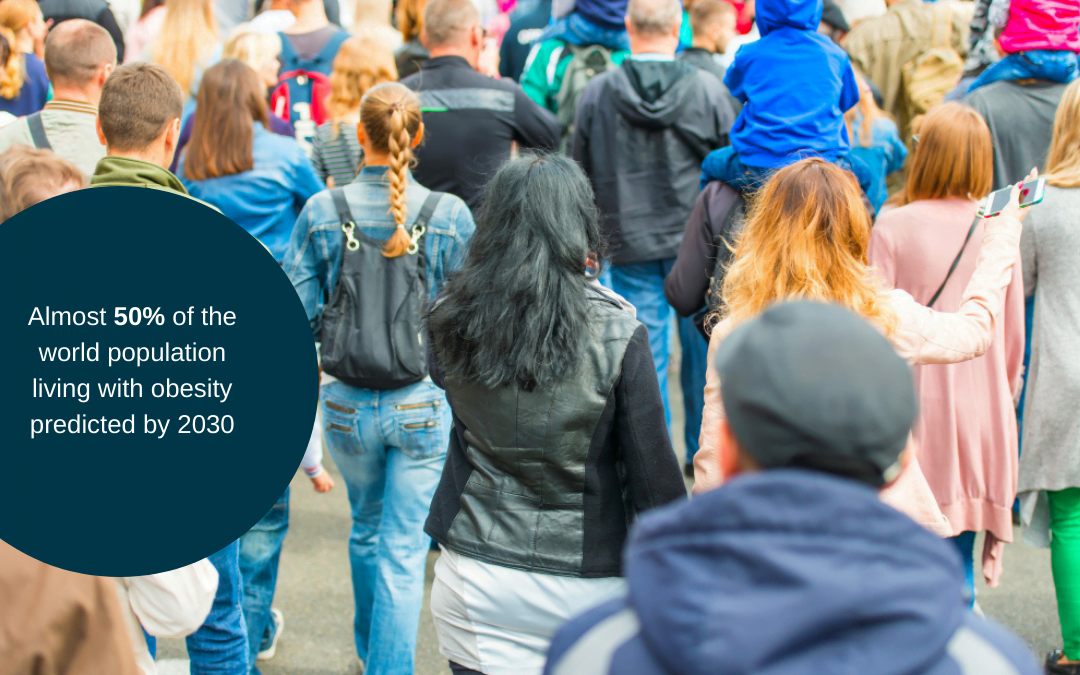
    Today, more than 800 million people live with obesity worldwide and this number is predicted to rise. By 2030 it is forecast that half of the global population will be overweight and this was the major topic at the Bupa Global Webinar; When Two Pandemics Collide: Covid and Obesity held on 07/09/2021.


    The worldwide prevalence of obesity nearly tripled between 1975 and 2016, and is set to continue

    % of world population living with obesity

    4% in 1975 16 % in 2016 50% predicted by 2030


    What is the connection between obesity and covid-19? 

    Dr Petra Simic, Medical Director at Bupa Global and UK explained that doctors started to realise early during the Covid-pandemic that people are not affected equally by the virus: more hospitalization, ventilation and death incidents were recorded for male’s over 60 years, within certain ethnic groups, suffering from diabetic problems, immunosuppression and having obesity. This was an interesting finding as doctors would have usually expected people with respiratory diseases to be worse affected by Covid-19, but this isn’t the case. Obesity is now looked at as an independent single risk factor. Actually, Covid-19 death rates are 10 times higher in countries where more than half the population is classed as overweight (World Obesity Forum).

    Dr Petra Simic mentioned that half of the Covid patients in intensive care units have some sort of blood clot. So, Covid-19 (a prothrombotic disease) and obesity (a prothrombotic condition) coming together is not a good combination. Furthermore, evidence reveals that Covid targets the same organs that suffer from obesity, either directly or indirectly: heart, guts, liver, kidney, pancreas, brain.

    Obesity could also affect the ability for a good immune response to vaccination, hence it is currently being studied as to whether the vaccination is less effective among people with obesity.

    Overall, there is sufficient evidence that people with obesity have a greater risk of death or hospitalisation with Covid-19. The Covid pandemic highlighted how obesity leads to the development of other serious illnesses, adding a huge pressure on the health services around the world.

    Obesity: Result of lifestyle choices or a disease?

    Obesity is a complex disease involving an excessive amount of body fat measured by BMI (Body Mass Index) that can occur at any age to both men and women. While the social perception or stigma still focuses on size and diet, it is recognised amongst more and more health professionals that obesity is actually a chronic disease.

    It is a medical condition that results from a variety of factors:

    Genetics

    People who are genetically predisposed to obesity will be more likely to struggle with obesity. Recent studies confirmed that genetic influences are more dominant than environmental factors. For example, identical twins are more likely to have similar weight even if they are brought up in a different environment; females in South Africa or the Afro-American community in the USA tend to be more obese.

    The genes you inherit from your parents have a major effect on your metabolism, how you store and burn fats and how your body regulates your appetite. We need to understand how the gut communicates the sense of feeling full and hunger to the brain, there are 1000’s of hormones involved in these complex interactions!

    High calory intake – a sense of hunger is a powerful biological drive. There are lots of severely obese patients who cannot shake the feeling of hunger, making their body believe it desperately needs to react. In the same way that when we have pain in our body, the only thing we can think about is how to resolve that pain.

    So, diagnosis is not easy and more studies are needed to get a full understanding of this complex disease. 

    Environmental factors

    These are the cultural and social habits in your country or within your family. For example, what type of lunch is provided by your school, what type of dinner is cooked regularly at home, what the education and health system in your country teaches you, whether there is an easy access to a gym, what sort of foods are available in your local supermarkets, or what food labelling regulations apply in your country.

    In short, your physical activity, exercise choices and diet will play a part in developing extra weight. It is very important to mention that psychological factors such as stress, anxiety and mental health issues also have a huge emphasis on this.

    When we talk about obesity, it is imperative that we look at the roots of the problem instead of taking a bias opinion that the individual didn’t take care of her/his health.

    The double challenge with obesity

    The major issue with obesity is that it increases the risk of other diseases and health problems. These can range from heart disease, strokes, diabetes, certain type of cancers, high blood pressure, digestive problems, elevated cholesterol to osteoarthritis. Obesity is also the most important modifiable risk factor for type 2 diabetes.

    Overall, there are more than 200 identified diseases that are likely to be caused by or contributed to, obesity, which is a frightening fact. From this, we can draw a conclusion that obesity likely to be the main driver of mortality in the world at present.

    Why is obesity not taken more seriously?

    The main reason is the world of bias and stigma around obesity. Early prevention and intervention is not part of the general GP practise or conversation. It is not currently a priority of the healthcare service. Johanna Ralston, CEO at World Obesity Federation highlighted that healthcare professionals don’t get training on this in medical school, not even later at primary care level, which is sadly the case in many countries. There is an element of unconscious bias amongst health professionals as well.

    The truth is that people are not comfortable with talking openly about their body index with their GP as they feel ashamed. By the time the patient and GP have a conversation about it, they have often already developed high blood pressure or high cholesterol levels.

    Stigma and bias are different in different parts of the world. For example, in China, excess weight is a sign of wealth and westernisation, highlighting the influence of cultural factors.

    Another reason as to why there is a slow uptake in treating obesity seriously worldwide is the complexity of the disease – the cause factors and correlations were not clearly understood for many years. Dr Philip Schauer, Director of the Bariatric and Metabolic Institute at the Pennington Biomedical Research Centre commented: It is easier to fall back on some of the stereotypes than dealing with a systematic issue when there isn’t a single answer or solution.

    What is the cost of obesity?

    There are successful treatments today that are working effectively with enough evidence to show that even modest weight loss leads to significant health improvement. These treatments include lifestyle changes, behaviour modifications, dietary consultations up to hormone treatments, medications and surgery. The cost of regular preventative health checks and the cost of early interventions are minimal compared to the cost of treating potentially serious health problems for many years to come.

    For severe obesity, gastric band surgery is an effective option that should be made more accessible to people. The surgery now only involves a one-night treatment in hospital which is very safe and common. The vast majority of the weight loss is maintained for many decades, proving the effectiveness of this operation. Recent studies show that mortality risk was decreased by 50% for those who had surgery compared to those who didn’t and kept their weight.

    The capital cost of this operation is much lower than the overall long term cost implications of dealing with diabetes, cancer, heart or kidney conditions, just a few to mention.

    As more and more people become obese, the costs of obesity and obesity-related diseases are increasing. As per the WHO, the total cost of high BMI to health services globally is almost $1 trillion, over 13% of all healthcare expenditure.

    This is why the state has a self-interest in revolutionising the care service around obesity in addition to their social responsibility of saving the lives of their citizens.

    The role of health insurance providers to tackle the obesity crisis

    Health insurance providers also have an important role to play in tackling obesity by offering related products to their customers. One of the reasons why obesity is slowly picked up by the insurance providers is that there isn’t a comprehensive government strategy and there is a myth in the understanding whether it is a preventative product, a chronic disease, wellbeing or a self-care product. There is also a level of bias as well.

    In general, treatments for obesity are not covered by private medical insurance in the Business Health Insurance UK market. Having said that, Vitality does offer weight-loss surgeries (gastric banding, gastric bypass, gastric sleeve) under lifestyle and corrective surgical procedures where it is clinically necessary and meets eligibility criteria. In the International Health Insurance marketplace, a small number of insurers do provide cover for obesity surgery, when members are over a certain BMI and are clinically referred for treatment.

    On a broader level, insurance providers have a huge responsibility to increase awareness around the global obesity crisis, to raise the profile of successful weight loss interventions and treatments as well supporting people more early on in their obesity healthcare journey. There is also a significant commercial advantage to them by helping to highlight the issue and actively encourage preventative strategies.

    What can employers do to help their overweight or obese employees?

    Having a happy and healthy workforce means a greater chance of employers achieving their business goals, so more businesses have started to offer a broad range of benefits. For example, health insurance, employee assistance programmes, health cash plans, flexible working & wellness programmes for their staff.

    Over the last few years, there has been a huge rise in mental health awareness, training and support offered by employers. There has also been a growing push for supporting women with their menopause at work. It is hoped that obesity will follow the same path as these two in the coming years and become an area of real focus. Employers can do a lot to support their staff with regards to raising awareness on obesity and being proactive to avoid their employees developing the disease.

    Such proactive activities could include;

    • Obesity awareness training
    • virtual consultations with a specialist doctor
    • accommodating the right working environment
    • dietician advice
    • basic health checks for BMI, diabetes, glucose, blood pressure, cholesterol, heart rate as a preventative measure
    • gym membership discounts and organised sport activities
    • free fruits for lunch
    • vending machines with health options

    Contact Engage Health Group to discuss how your business can support your employees’ wellbeing. We are happy to give you free, no-obligation advice.

    Summary

    With over 2 billion people being overweight and with almost 0.8 billion being obese today, it touches every society on Earth. Obesity is a disease in itself and also one of the key risk factors for developing other diseases, consequently claiming many lives today, and it is expected to rise.

    There is a need for a global shift in how we think about, and approach, obesity. The health industry needs to treat it like cancer or strokes, moving the stigmas of obesity away from lifestyle choices. There needs to be necessary funding for early intervention, education and treatments, also a coordinated global response driven by the healthcare system.

    Johanna Ralston, CEO at World Obesity Federation commented on obesity as “the next big issue driving mortality” or Dr Philip Schauer, Director of the Bariatric and Metabolic Institute at the Pennington Biomedical Research Institute “the other pandemic”. With these comments, the alarm bells should be raised for all businesses, states, insurance providers and individuals.

    The top 5 benefits of corporate wellness programs

  • ISO 31030 Travel Risk Management is Now Released – Your Complete Guide

    ISO 31030 Travel Risk Management is Now Released – Your Complete Guide

    Engage Health Group International Director Ian Abbott has recently explained and discussed the September release of the new ISO 31030 Travel Risk Management, detailing how it can provide the best support for internationally travelling workers. We at Engage wanted to further outline a guide on the ins and outs of the new ISO standard, setting the benchmark for the best practices in corporate travel.
    World Travel Protection hosted a webinar this June by Alex Twiggs (WTP Director), which incorporated insights on the new ISO 31030 Travel Risk management standard. In this guide, we will touch on the key takeaways from the announcement and what the new ISO 31030 means for international organisations.
    The ISO 31030 means international businesses go from a lack of understanding and unpreparedness for risk situations to having a well-thought-out critical travel risk management strategy. So, here is how the new ISO standard is changing the face of travel risk management and assessments.
     

    What is the ISO 31030 Travel Risk Management standard? 

    Originating from the ISO 31000 (2018) Risk Management, the 31030 standard is bringing risk assessment and management further into the travel industry. The new standard will provide organisations with a global Travel Risk framework, where all companies will need to align their existing management strategies to, developing the best safety procedures for their employees.
    The aim of the ISO 31030 is to promote a global culture with international businesses by making travel-related risks a more serious matter. The new standard focuses on the travellers and the risks they will face, providing guidance and tools for managing risks under a common language and principle.
    The ISO 31030 will cover all aspects of business travel: authorisations, planning, policy, traveller assessment, transportation, destination, accommodation – to name a few!
     

    Why is ISO 31030 needed for international business with corporate travel? 

    For many businesses working internationally, corporate travel is unavoidable and needed to expand into new markets and clients. With the world becoming more globalised and connected, the number of countries workers are travelling to is growing, consequently raising the number of risks that will be encountered.
    With international companies working globally, not having a local base can lead to complexities in protecting employees compared to those in domestic locations. Therefore, the more focussed approach outlined in the ISO 31030 standard is needed.
    The emergence of the ISO 31030, following the pandemic, has meant that international businesses can explore what has been going wrong in their travel management plans. The pandemic has brought forward a different set of issues and safety risks that weren’t apparent before, and this developed ISO standard provides a space for travelling employees to state what is needed for their health and safety from their organisations.
    Providing detailed support for these internationally mobile workers gives travellers the confidence they need to feel safe when working elsewhere in the world.
     
    (Which Businesses Should be Considering Kidnapping and Ransom Insurance?)
     

    Where to start with Risk Management?

    A good starting point for approaching your organisation’s risk management plan is by identifying everyone that is affected and involved. This can be done through feedback forums and mechanisms.
    Keeping up-to-date information on employees and business travel locations is also a good place to start, where this travel risk information should be incorporated into the overall basics of a risk management strategy.
    There are also external tools that are available to companies to help with getting started with risk management. For example, the Check My Travel Risk website which allows organisations to check their existing travel risk programmes against the new ISO 31030, guiding how to implement the best management for their travelling employees.
     

    Rules and responsibilities

    Businesses have a Duty of Care to their employees no matter where in the world they are. Duty of Care is a businesses’ moral and legal obligation to care for its employees. Regarding travel, this means ensuring the safety and security of travelling employees as an organisation’s responsibility doesn’t stop when employees arrive in a different location.
    Employees also have a Duty of Care to their companies as they need to communicate effectively on incidents and risks that occur when working abroad through feedback forums. Organisations can then learn from issues and implement change.
    Once understood, this loop of accountability between staff and employers will help travel risk managers to develop a streamlined process to ensure safety, developed from open discussion and critical collected data.
     

    Travel risk and accommodation

    Accommodation is a vital part of managing travel risk – to the point that the hotel industry was deeply involved in the creation of the ISO 31030. The hotel industry was the expert travel industry group, outlining issues of hygiene, fire safety, and general travel safety.
    The hotel industry helps to ensure that accommodation is fit for business purposes, meaning they are constantly aware of risk avoidance, reduction, and risk-sharing.
     

    Does the ISO 31030 provide a Risk Management template?

    The ISO 31030 uses the same terminology, principles, and framework as the previous ISO 31000, referring to the same risk profile template on how to build risk tolerance and dealing with general risk. The new ISO provides a more structured approach to the development, implementation, and evaluation of strategies. However, there is still room for variety where organisations can adapt to the risk management templates to fit with their company.
     

    Which businesses does the ISO 31030 target? 

    The ISO 31030 travel risk standard is available for all organisations and industries, where the size of your business doesn’t matter. From commercial, charities, education, non-government organisations, non-profit, HR, health and safety, procurement, sales, marketing, to security – it applies to all!
    The only industries that the new standard won’t apply to are tourism and leisure organisations.
     

    Summary 

    The safety concerns of travelling employees have always been a priority for organisations, but with the world still dealing with the fallout from the pandemic, the Duty of Care is higher than it ever has been before. The development and release of the ISO 31030 couldn’t have come at a better time, especially as a return to travelling across the globe is in full swing.
    Providing clarity and support for organisations, international businesses must also develop a shift in their risk management strategies to fall in line with the upcoming changes emerging from this Autumn. Look here to learn more about international employee benefits and safety issues.
     
     
    Contact us at Engage Health Group where we give free no-obligation advice and support, simplifying any international needs and enquiries.


  • Lack of Cultural Competency Training Can Impact International Businesses: here’s why

    Lack of Cultural Competency Training Can Impact International Businesses: here’s why

    Every culture comes with its values, beliefs, priorities, behaviours, and social norms, specific to ethnicity, nationality, or religion. Culture surrounds all of us, meaning we are all products of whichever cultural socialisation we grew up in, influenced by people and communities. If this is the case for our everyday interactions and national identities, it is even more apparent for businesses with their increasingly diverse teams and connections.

    When there is a lack of understanding, or willingness to learn, about different cultures, especially when working with different people or in other parts of the world, mistakes are made, and offence can be easily taken. One way that businesses can prevent this is by introducing cultural competency training (or cross-cultural training) for their employees, educating them on social practices and expressions, and developing deeper empathy towards others.

    But what happens when cultural competency training isn’t in place? What goes wrong when companies don’t offer it, and how can cultural competency training help? How important is it?


    What is cultural competency training? 

    Cultural competency training (or cross-cultural training / cultural humility / cultural dexterity) is an opportunity offered to employees to learn how to recognise the differences and similarities between cultures amongst other colleagues or destination countries (for working expats). Cultural competency training targets 4 main concepts: awareness, attitude, knowledge, and skills.

    Any well-thought-out cultural competency training must always begin with the individual. Internationally mobile workforce must gain an understanding of their style, behaviour, background, self-knowledge, and cultural influences, to understand their own impact on the world and colleagues. Once this is established, being able to understand others will come more easily, enabling expats to learn which elements of culture are priorities for different people.

    It is the responsibility of employers to invest in their people and teams, creating an environment of support and engagement. Cultural competency training is not a static programme. It should be a practice that grows and develops alongside a business, strengthening the workplace environment and building inclusivity amongst employees and other business relationships.

    Cultural competency training is also an important practice for employees working in global marketing or sales teams, when working with and selling to different cultures and countries. By embracing the differences in cultural norms, international companies will successfully be able to get into new markets, attract international customers, or enabling a local product to be transferable to a global audience.

    By integrating cultural competency training into a workforce, employers can create a working culture that recognises, respects, and values the differences between people. Without this drive to promote difference, employees are left lacking the skills to expand out into the world.


    Why is cultural competency training so important for global businesses? 

    With the ever-present COVID-19 hanging over us, the importance of cultural competency training has become even more of a priority for international businesses. The pandemic has meant businesses are adopting a more globalised approach, connecting with more people abroad through virtual meetings and training.

    So, why is cultural competency training such a necessity? Listed below are some reasons supporting the significance of cultural competency training:

    • Developing self-knowledge enables employees to understand how their behaviour can impact those around them
    • Teaches how to recognise/adapt
    • Teaches how to value/appreciate different perspectives, communication, and behaviour
    • Improves diversity
    • Develops inclusivity
    • Broadens a business’s marketing range to different communities
    • Leads to higher staff morale
    • Enhances leadership skills
    • Attracts global attention and investment
    • Improves overall communication within the workforce
    • Encourages active listening skills

    Bringing together employees from different cultural backgrounds produces a diversity of perspectives, ideas, and strategies – cultural competency training only brings this out further!


    Examples of different cultural backgrounds

    To highlight how much a lack of understanding between different cultures can impact the success of a company, below is a broken-down simplified list of typical cultural differences between the UK, Japan, Spain, and the USA – showing how deep cultural differences can run.

    Expats between UK and USA:

    Although stereotypically linked together due to sharing the same language and pop and music cultures, the UK and USA have lots of dissimilarities that get overlooked, causing issues in the workplace.

      UK USA IMPLICATIONS
    Work-Life Balance More relaxed where employees prioritise a separation between private and work-life American Dream – work culture of anyone can be successful if they work hard enough, leads to a feeling of needing to succeed Clashing in approaches to work/life balance
    Punctuality Meetings rarely begin on time / last for an hour or more Meetings begin on schedule / over quickly Could cause the feel of disrespect
    Communication Communication – understated, cynical, sincere, deflect praise, moderation, self-control, no self-promotion, “kind of”, “sort of” Communication – optimistic, energised, generous with praise/encouragement, sell themselves, “totally”, “literally” Can lead to misunderstandings over email / during meetings

    Interestingly, the move from US to UK has the most expatriate failure ratings, where the expat (and their family) isn’t prepared – with the assumption that these two cultures really aren’t that different. Expatriate failures can be extremely costly for international businesses, with the financial costs of bringing the employee home as well as the mental costs on the employee having had a bad expat experience due to a lack of cultural competency training. Earlier studies have shown that expatriate failures can cost companies two to five of the employee’s salary!

    Expats between UK and Spain:

    The UK and Spain often work together but fully understanding the ins and outs of these two cultures prove harder than it looks

    UK SPAIN IMPLICATIONS
    Timings Small lunch with dinner as main meal 7 pm Lunch as main meal with light dinner 9 pm Can be difficult to sync up timings for meetings, different schedules
    Body Language Non-contact culture, very little physical contact beyond a handshake High-contact culture, kissing of cheeks, standing close when talking Misinterpretation making people uncomfortable and even offended
    Business Negotiations Often more formal – sometimes more task-oriented Expect to build a personal relationship/trust before negotiations Must gain an understanding of the way business relationships need to be approached

    Also, in Spain, there are 17 autonomous regions in the country. This means there are 17 areas with their own particular cultures, some having their official languages, where Spaniards culturally identify based on regions!

    Expats between UK and Japan:

    Two cultures that are often classed as being very different are the UK and Japan, where their opposing cultures are often highlighted even more in the business world.

    UK JAPAN IMPLICATIONS
    Body Language “me” / “I” = pointing to chest “me” / “I” = pointing to nose Miscommunication
    Mistakes Opportunities to learn from, more open to discuss Often prefer to hide mistakes Affects collaboration and teamwork
    Work-Life balance Prioritise private life Work can become the main priority Clashes in approaches to work and wellbeing
    Language meanings “no” means “no” “no” directly is bad, instead “That could be difficult” Can cause offence if the meanings of language choices aren’t understood properly
    Decision Making Make decisions quickly even with insufficient information To make decisions, require a lot of detail – can lead to decision-making being slow Can lead to frustration between the different cultures

    Even with just the typical cultural differences outlined in these comparisons, it reinforces how the ways of thinking and working between different cultural backgrounds can be massively different. From hierarchical vs egalitarian, relationship-oriented vs task-oriented, team/collective psychology vs individualistic – the slight nuances in cultural differences can massively affect business relationships if not understood.


    What happens when there is no cultural competency training? 

    From these examples, whichever countries are working together, no matter how similar you think they might be, there will always be cultural differences. This is where cultural competency training comes in, without it issues begin to emerge.

    Here are some examples of what goes wrong when your business doesn’t have cultural competency training:

    • Natural reflex to label people that are different from ourselves – this label tends to be something negative
    • Misunderstandings in communication
    • External work complaints – discrimination, harassment, hostile work environment – could lead to government fines, legal action, loss of good employees
    • Privacy / personal space – in different cultures, there are different ideas of how much or how little privacy everyone has e.g., in some cultures, people cluster tightly and in others, they spread out
    • Physical contact – different cultures have different values on physical touch, therefore the need for anti-harassment training with guidelines for appropriate workplace behaviour and cultural sensitivity is evident is needed
    • Political correctness
    • Generation gap – different belief systems between young and old

    Cultural competency training can help any of these issues. Even if you don’t have full comprehensive background knowledge on every culture, shifting your attitude to being empathetic and understanding towards your colleagues can make all the difference in avoiding discomfort and conflict.

    (Why Cross-Cultural Training is a Must for International Businesses in 2021)


    Wellbeing and Engage 

    Introducing cultural competence training to your internationally mobile workforce is a process that develops and evolves – this is no quick-fix solution! For companies to fully reap the benefits from cultural competence, their workforce must be willing and open to learning, which can only come from genuinely being interested in other people.

    Cultural competence training helps create a working environment that employees are proud to be a part of, targeting all aspects of wellbeing. Training is rooted in supporting the happiness of employees, providing opportunity and space for relaxed communication and expression. Look here to see what else is involved in cultural training.

    At Engage Health Group, we work across the health and wellbeing marketplace to ensure you find the right policies at the right price, and ensure your whole benefits package provides prices from across the market.

    Contact our expert team at enquiries@engagehealthgroup.co.uk or call 01273 974419 for FREE no-obligation advice and support.

  • Employee health checks on the rise in the face of COVID-19

    Employee health checks on the rise in the face of COVID-19

    Employee health checks getting people back to work

    Despite COVID-19 slowly becoming the new normal in our everyday lives, the general climate of demand and strain on the NHS is still high. During the second wave of the pandemic, there was never any fewer than 10,000 COVID patients in the hospital, with more than 3,000 new COVID patients being admitted every day.
    So how does this impact general perceptions on health? Particularly in the workplace?

    For any organisation to be successful, maintaining the wellbeing and health of employees must be a priority. One strategy that many organisations adopt to develop their wellness strategies is frequent employee health checks for staff, opening and normalising discussion on health and wellbeing. The continued presence of COVID has made this even more important.

    Pressure on NHS services has meant a huge increase in those waiting for even just a first appointment. The Department of Health produced figures from April to June 2021 that 348,867 people were on the waiting list for appointments, a rise of 38,946 compared to the previous year. This is an immense amount of people, resulting in inevitable frustration and negativity towards health services. Are these attitudes the same for employee health checks?

    As we approach our second autumn of the pandemic, how much is COVID still affecting the approach to employee health at work? Is COVID impacting the level of response for employee health checks? And what else can employers do to help?

    What are employee health checks? 

    Employee health checks are detailed check-ups aimed to provide a clear view of an employee’s health and wellbeing. They help to identify potential health risks, ensuring that members of staff are fit to be in the workforce.

    Employee health checks are designed to target individual needs, so there is no one-size-fits-all structure. They can be adapted to suit company size, location, overall wellbeing strategies, and individual needs.

    NHS health checks are offered to everyone aged 40-74 in England every 5 years, but companies can develop their own employee health scheme including either a basic health check or full:

    • Basic: blood pressure, heart rate, height & weight, body mass index, cholesterol, diabetes hydration percentage, body fat percentage, glucose
    • Full (includes the above): urine analysis, full biochemistry profile, liver & kidney function, nutrition, spinal assessment, lung function, breast examination – as a few examples.


    Look here to find more on what employers can offer with employee health checks.

    Is it a legal obligation or an opportunity for businesses?

    Employee health checks are not enforced by law or government standards, leaving the responsibility down to the employer to ensure they are available to their staff. Any type of employee health checks are becoming increasingly popular for companies in the face of the pandemic, with increased emphasis and anxiety around health.

    Sally Bedeau, Loch Wellbeing’s Business Manager at Loch Associates added “Whilst there is no legal obligation for employers to offer Health Checks at work some businesses find that this can benefit both the employee and the business. Employees feel looked after, valued and cared for and businesses can use high-level data gathered from health checks to identify if there are any common health issues affecting their workforce that they can help to address through targeted wellbeing initiatives.”

    In one of their case studies Loch’s HR Medical Specialists identified that in a cross-site organisation, one location had higher average blood pressure readings than the others.  It was identified that the common cause of this was that there were more smokers based at that location. The business, along with advice from their HR Medical Specialists, then supported the employees to either quit or reduce smoking, resulting in an overall improvement in health.  It also resulted in reducing sickness absences in the future.

    Sally added “With our wellness checks at Loch Wellbeing, individual health information is kept confidential but the business report we prepare is an invaluable insight into the health of the workforce. In this report, our HR Medical Specialists will identify any concerns, highlight areas for improvement and how that can be achieved.  By following the HR Medical Specialists’ recommendations businesses can reduce absences, increase productivity and have a healthier and more engaged team.”

    How have employee health checks changed since COVID?

    To keep up with the ever-changing landscape of the pandemic, every aspect of work and life must also adapt. This also goes for employee health checks. By adapting the regular procedures of monitoring employee wellbeing and health in line with COVID, businesses can access the knowledge of how best to prevent the spread of illness and ensure the best possible environment for their employees.

    Popular health checks since COVID:

    • Temperature screening checks: quickly manage employees with potential symptoms
    • Health Checkpoints: designed to not disrupt the general workflow, can include surveys, booking socially distanced desks, technological-based help
    • Hand sanitiser and cleaning stations 
    • Access to lateral flow testing
    • Emphasis on respiratory checks

    One issue that employers are now facing is the emergence of ‘Long COVID’ (continuation of symptoms more than 12 weeks from getting ill). The lack of support and knowledge surrounding this means employees are left feeling isolated and confused whilst struggling with symptoms. Employee health checks can be a way for employers to tackle this, opening a dialogue for staff and access to support.

    However, not everyone has access to health checks due to increasingly long waiting lists. Employers must also find other ways to show their support, such as flexible working hours giving staff the room to adapt to a different way of working.

    Impact of COVID on waiting lists – statistics and attitudes 

    As outlined above, the influence of COVID has seeped into almost every aspect of life. A leading current topic is how seriously the pandemic has affected NHS waiting lists and the backlog for treatment. This backlog acts as an obstacle for many people, giving rise to a new approach to health where the public are waiting things out until after COVID. In short, people aren’t attending health checks producing a general atmosphere of poor wellbeing and health.

    This delay is a result of the public trying to help the NHS as they struggle with pressures from COVID! But instead, people are left with not getting the help they need when they need it.

    Employers can support their employees by informing and pushing them to respond to signs and symptoms, ensuring staff take full advantage of other health services that are on offer. Through a well-developed wellness strategy and employee benefits scheme, including employee health checks, employers can create a workspace that feels safe and productive during unprecedented times and prioritise the wellbeing of their employees.

    Aviva’s report “The Changing Landscape – Embracing a New Approach” outlines how 48% of people polled said they would be more likely to take up a health check than before the pandemic. Unfortunately, 60% of respondents hadn’t had a health check in the last 12 months. This highlights how the pandemic has made health more of a priority for employees, but there is little support for the increased demand and receiving a health check is near impossible.

    Again, this is where employers must step up for the wellbeing of their staff where other services are straining in the face of the pandemic.

    (Top 5 Benefits of Corporate Wellness)

    Wellbeing and Engage Health Group 

    Employees attending their health checks at work is incredibly important. It provides an opportunity for at least an initial appointment and the option for referrals during a time when everything seems difficult to achieve. Having employee health checks on offer promotes integrity and trust in an organisation, showing employees that you value their wellbeing and care for their health.

    Employee health checks are just one way organisations can provide further support to employees during the pandemic. Look here to see what else can go into a wellbeing strategy.

    Contact us at Engage Health Group for our free no-obligation advice and discover what else can be on offer to employees to support their wellbeing and health during COVID-19.

  • Engage Health Group Provides Employee Benefits Tehnology to over 220 Martlets Employees | A Customer Success Story

    Engage Health Group Provides Employee Benefits Tehnology to over 220 Martlets Employees | A Customer Success Story

    A new digital approach to employee benefits


    The world of employee benefits has changed dramatically over the past 10-15 years, and with attitudes to employee care improving at pace, we have been honoured to work with many leading businesses across the UK to inject some innovation and expansion into their employee benefits provision.  Most recently, this has included Martlets Hospice ltd.

    Martlets is a local well-known charity that provides terminally ill people in Brighton and Hove, and the surrounding areas, with the very best care and support. Opening in 1997, the charity itself has now supported over 25,000 people in a range of ways such as care in their own homes, via pain relief within the hospice itself, physio, counselling and to respite care.

    With such a difficult 18 months in the charity sector and some exceptionally challenging times for staff, Martlets were keen to explore ways they could develop their own employee benefits, and provide a more digital approach at the same time.

    Engage has been working with Martlets for several years, managing their Health Cash Plan, and more recently, helping to improve their Group Life Assurance coverage.  It was from here that Engage suggested taking the next step and exploring a new digital approach to employee benefits.

    So, this summer saw the launch of Martlets own employee benefits platform, “My Benefits” which was designed and implemented by Engage via their technology brand, Engage Connect. The purpose of the platform is to house Martlets existing core employee benefits (Health Cash Plan and Group Life), but also offer a range of other value-add services for staff to access.


    Engage Connect employee benefits platform offers tangible advantages


    1. Employees are enrolled into a Health Cash Plan via the new platform, and can elect to increase their cover and add partners to the policy.  They can easily view the costs and benefits associated with the different plan levels, as well as clearly seeing a cost breakdown of their employer contributions, versus any amount they are paying themselves.
    2. For the Group Life, employees can quickly see the level of cover they have, access important terms and conditions of the policy, and download their Expression of Wish forms, which are then stored with the People Services team at Martlets.
    3. The employee benefits platform also contains information of other relevant services which Martlets make available to their teams, including local counselling services and cycle to work schemes.

    Anna Kingston Royce, People Services Lead for Martlets, commented

     “Introducing this platform has given us the space to showcase all our employee benefits in one place, which allows colleagues to understand the value of their total reward package.  It was straightforward to set up, and makes it easier for colleagues to find information and make changes to any of their benefits.  Engage were very responsive to any queries we had and ensured the process ran smoothly.”

    Some of the additional services which are made available via Engage are as follows;

    Discounted Cancer Screening for the 6 most prevalent cancers, most of which can be self-administered at home.

    Discounted Allergy Testing for adults and children, again, is available to be self-administered at home before being sent to the lab for analysis.

    Discounted Allergy Testing for adults and children, again, is available to be self-administered at home before being sent to the lab for analysis.


    A new affordable way into digital benefits & positive employee experience


    The online employee benefits platform itself is a great way for employers to organise their benefits and store them in one central place for employees to access. Often, employee benefits can be decompartmentalised, with different internal stakeholders managing them, and with employees unsure what’s on offer and importantly, how to access or amend them.

    Traditionally, employee benefits platform technology has been reserved for large corporates, where cost wasn’t a significant consideration.  The SME market has always been underserved in this space, but now, as more and more employees expect to consume benefits in a digital/online way, the market is changing.

    Engage Connect employee benefits platform aims to provide employers with an affordable way into digital benefits, where previously the costs would have been too prohibitive to consider. Employees can access the platform anywhere and anytime allowing them to make smarter decisions at their convenience and increase their benefits participation.

    Engage Health Group is an independent Employee Benefits Consultancy, partnering with all insurers and service providers across health insurance, cash plan, group risk and more, we can act as your one-stop-shop for broker and technology solutions.  This means the broadest level of consultancy, support and experience for our customers, and the lowest possible costs!

    If you would like to talk about taking your employee benefits digital, please do make contact and we can happily arrange a demo!