Blog

  • Crisis response: How to support employees in times of global emergencies

    Crisis response: How to support employees in times of global emergencies

    The growing trend in employing global remote workers means that employer duty of care is increasingly a worldwide exercise for businesses of all sizes.

    In a volatile world, the issue is even more pressing to address and increasingly challenging to navigate.

    In recent years we’ve had wars in Yemen, Ukraine and the Middle East; a global pandemic; natural disasters; global inflation and energy shortages.

    So it’s hardly surprising that we’ve experienced an increase in queries related to the issue of global emergencies and specifically Employee Assistance Programmes and how they can help in such scenarios.

    In this blog post we cover:

    • How global emergencies and crises impact business and employees
    • Key strategies and employee benefits that will make a difference to staff
    • How Engage helped a client during the Covid-19 pandemic

    To help explore this subject, our International Senior Manager, James Carrick provides his perspective drawing on knowledge and expertise gained from working with global clients and account management over the last 16 years.

    Need help supporting your global workforce? Get FREE expert advice from our consultants on 01273 974419 or email enquiries@engagehealthgroup.co.uk.


    How global incidents impact business and employees

    “With companies employing global workforces, there are more possibilities for staff to be caught up in natural or man-made disasters. Staff need the right support to be able to do their job effectively. Essentially, they need to have something in place to not only reassure employees but also to offer action if needed.”

    James Carrick, International Senior Manager, Engage Health Group

    With more people switching to remote working, businesses have had to adapt their approach to employee wellbeing. This can also include establishing strategies for guiding employees through global emergencies should they occur.

    “With more people working remotely, there are added complexities in managing a team living in different time zones, who are legally entitled to different or additional benefits and have varying needs based on where they are living and working,” said James. “The management and HR functions must be on top of what ‘good’ looks like across the globe, especially in those locations with staff.”

    There will always be different factors to consider when operating in different global locations. It’s vital to keep as up-to-date as possible with what’s going on in different countries and how events could impact your staff.

    This encompasses everything from extreme weather events to political volatility. There should be a plan-of-action in place that takes into account the different scenarios that could occur, and the kind of support employees would need should they come to pass.


    Why companies must provide support for global teams

    International traumas, emergencies and crises can impact all staff member’s health and wellbeing whether they have a personal connection to an incident or not.

    “Generally there does seem to be an increase in companies looking to support a global workforce,” said James. “Whether that’s in a proactive way – by ensuring provisions are in place if something was to happen – or for those that have needed to implement policies to support their team if something has recently happened.

    “Business leaders know they have a duty of care to their employees. They want to make sure that if the unthinkable happens, then they are set up and prepared to support their most important asset – their staff.”

    But are businesses asking about any particular employee benefits?

    “Employers are wanting a whole suite of benefits to help support their globally dispersed workforce. Compliant health insurance is important to have for general day-to-day living and working remotely. For those travelling for work, a comprehensive business travel insurance is needed and some employees even offer a short-term International Health Insurance policy for employees travelling.

    “An International EAP is also a very cost-effective, yet helpful employee benefit too. This gives a level of support to the employee immediately when they need it. If they find themselves suddenly thrust into a concerning situation in the place they are working, the EAP would have the provisions to offer help.”


    How International Employee Assistance Programmes (iEAPs) can help

    International Employee Assistance Programmes provide a suite of employee support services via a single platform. They are designed to help employees in multiple locations around the world deal with work-related problems or personal issues negatively impacting their physical or mental wellbeing, and their performance at work.

    International EAPs can help tackle a wide range of mental health issues that employees face, offering counselling sessions, referrals, grief support, managerial support and other external services.

    #1 How can iEAPs help global employees manage emergencies and crises?

    “EAP providers have the facility to provide support in the event of a traumatic event. They aim to reduce and manage the impact of traumatic events by providing a range of interventions specifically tailored to provide early support, encourage self-care and re-establish normal routines for those affected by such events.

    “They can provide professional on-site support to organisations and their people following a traumatic event including immediate response straight after, continued support services further down the line, and one-on-one counselling to organisations and their people following a traumatic event.

    “EAPs also offer a catalogue of training events for both employees and management to develop skills to provide any ongoing support to the people in their team.”

    #2 How can training events help staff? And how does this come into employee support and EAPs?

    There is a large host of training events available to global businesses, which can be broken down into different sections to address different situations. For example:

    Training for the workplace: Embracing change – Giving and receiving feedback – Responding to bullying/harassment – Making the most of international assignments.

    Personal training: Balance v burnout – Overcoming imposter syndrome – Compassion fatigue.

    Mental health: Create a resilient mindset – Stress management – Healthy mind toolkit – Facing grief, trauma and survivor guilt – Eco-anxiety coping strategies

    Physical health: Coping with illness – Healthy eating – Men’s health matters – Menopause.

    Relationships: Ageing parents – Supporting colleagues through difficult times – Supporting child’s mental health.

    Leadership: Disability awareness – Conflict – Leading hybrid teams – Leading through crisis – Sustaining resilience through trauma.

    #3 Do International EAPs provide enough support to offer staff?

    “Traumatic events can impact the entire workplace. And they way people process varies, such as some with shock, or anger, confusion, grief, exhaustion, or an increase in presenteeism and absence. And everyone responds differently to different support and services. An EAP’s services can cover a lot for staff, but it’s always best to build a holistic employee benefits strategy including varied benefits and policies.”

    “An EAP really comes into its own to help support employees in the event of something happening. There are additional support functions (like critical incident support) that can be added on to the EAP if a situation becomes severe and further intervention is needed.”

    #4 Is there an increased interest in iEAPs?

    “We have definitely seen companies wanting to implement EAPs to provide the assurance of having something in place so staff have somewhere to turn to if they need support.”

    “With companies employing a more nomadic workforce, this can mean some staff may be working or living in places that are no strangers to conflict, natural disasters, or a whole manner of situations impacting their lives. An international EAP ensures a consistent level of services – vital element for employees to feel valued no matter where they are living and working. For business, having one global contract encompassing all locations will help with contracting, invoicing, and client management.”

    “We’ve seen some incredible charities contact us wanting to offer an international EAP to their staff actively going into parts of the world that need their expertise. An EAP can go a long way in supporting those charity staff as they help others affected by war or natural disasters.”

    #5 Has there been an uptake in other international employee benefits and insurance schemes?

    “We’ve seen businesses enquiring about a whole range of employee benefits including Group Health Insurance, Life Insurance, Travel Insurance and International Employee Assistance Programmes. A good benefits package helps retain the staff working within the business and helps attract the best talent.”

    In addition, an International Group Health Insurance scheme will often include emergency medical repatriation, should an employee find themselves in a country lacking the appropriate medical facilities.


    CASE STUDY: Crisis response in a pandemic

    Engage previously worked with Timber Trading Agency International, a company with a global employee footprint covering India, UK, Lebanon and Ghana. In early 2020, it was identified that there was a requirement to implement a comprehensive employee support program aimed at protecting their international employees in the case of a medical emergency. This was particularly relevant due to the growing pressure of the Covid-19 outbreak, both in terms of the risk of infection and the increased pressure on local healthcare systems.

    Thanks to Engage’s guidance, the client was able to quickly communicate coverage changes, roll out enhanced benefits, and support new technology to overcome emerging issues.

    Furthermore, a Covid-19 emergency evacuation plan was implemented across an employee base spanning 4,700 miles, four time zones and some of the lowest quality healthcare in the world, to support a particularly vulnerable employee based in rural Ghana.

    Read more: Managing expat risk with a medical evacuation plan. 


    What employers can do to help

    Employers hiring in different areas of the world must be prepared to encounter any and all situations, whether that’s staff struggling with the day-to-day, or when an emergency hits.

    Below we have included key pointers to refer to when establishing an employee wellbeing strategy.

    #1 Establish an emergency response plan

    • Outline roles, responsibilities and procedures appropriate for different emergencies
    • A disaster management plan should also include details of resources, care facilities, and potential evacuation procedures
    • Post-emergency assistance should also be in place, including emotional and physical rehabilitation
    • Clearly signpost health and safety measures for all staff

    #2 Always communicate

    • Set up communication channels, both internally for staff and management, but also externally for any services and expertise you may need to draw on
    • Keep staff informed on current events that may impact them, and update them on procedures in the process
    • Signpost support and information clearly too all staff and management
    • Hold regular one-to-one’s and ensure open lines of communication for staff to raise concerns, provide feedback and/or receive updates
    • Provide updated information on employee benefits, insurance schemes and support services to help during emergencies and after

    #3 Make employee wellbeing a priority

    • Develop and implement a health and wellbeing plan which covers physical, mental and financial support
    • Invest in ongoing initiatives and resources to support staff beyond a crisis
    • Ask employees what they need from employee benefits via surveys, focus groups, polls and one-to-ones
    • Establish a holistic employee benefits strategy catering for different ages, economic circumstances, geographical locations, job roles, and personal circumstances (such as family or care responsibilities)

    #4 Establish a clear line of management and a place to turn to

    • Create a response team composed of representatives from different departments e.g., HR, operations, health and safety, line managers, and staff with special training
    • Offer training sessions to managers and employees e.g., Tactical Emergency Management/Emergency Response Training
    • Educate managers and leaders in employee benefits and services to pass correct information to employees


    Finding support to protect a global workforce

    Employer duty of care is never more apparent than when your workforce are struggling with external global events. But developing a robust wellness plan, clear communication pathways, and establishing a crisis response strategy will protect business and staff.

    Finding the right support to help with this can make all the difference when fulfilling your duty of care to a global workforce. At Engage Health Group, we have a wide global broker network spanning more than 70 countries, enabling us to provide the best guidance no matter where your employees are based.

    Contact us at enquiries@engagehealthgroup.co.uk or call 01273 974419 for FREE no-obligation advice and support.
  • 6 employee benefits that can help ease anxiety and support mental wellbeing

    6 employee benefits that can help ease anxiety and support mental wellbeing

    One in six UK workers is affected by mental health problems like anxiety, stress and depression. Much of our lives are spent in the workplace, so it’s only right that employers take steps to ensure staff are happy and healthy.

    A healthy workplace culture consists of many factors, including good people management, recognition & rewards, and considerate workplace policies.

    And one simple thing employers can do is provide employee benefits that offer practical support for mental wellbeing.

    In this blog, we’ve listed six employee benefits that provide either preventative or reactive support to ensure everyone can benefit regardless of the current state of their mental wellbeing.

    Need help setting up employee benefits for your staff’s health and wellbeing? Email our expert brokers at enquiries@engagehealthgroup.co.uk or call 01273 974419.


    6 employee benefits to help with anxiety, stress and depression

    #1 Mental Health First Aid Training

    A training programme to offer to employees, designed to teach staff how to understand, identify and support colleagues struggling with their mental health. The programme is a two-day course that covers a wide breadth of mental health issues, providing employees with a broad understanding of different issues and how to identify them.

    Benefits of Mental Health First Aid Training:

    • Helps to reduce stigma in the workplace
    • Promotes open discussions on mental health
    • Opens channels of support and how to find help
    • Provides managers with the skills to support struggling colleagues

    Remember, it doesn’t mean trained staff are qualified therapists! So make sure they aren’t taking on too much responsibility.

    Your guide to Mental Health First Aid in the workplace.


    #2 Employee Assistance Programmes (EAPs)

    EAPs offer staff a range of tools and services to better equip them to handle whatever life and work throws at them. Designed to strengthen the emotional resilience of staff, EAPs allow employees to feel they are taking control over their own mental health, whilst safeguarding anonymity.

    Not every Employee Assistance Programme is the same and each provider will offer different levels of service. But you can expect to find the following services in most EAPs:

    • Professional counselling sessions
    • Managerial support
    • Financial management, advice, and debt support
    • Critical incident management
    • Self-help tools, activities, and programmes

    Benefits of Employee Assistance Programmes:

    • Helps to reduce stress and anxiety – something for every team member!
    • Employers can see where support is needed through trackable usage stats
    • Alleviates managerial pressures
    • Boosts workplace productivity
    • Adaptable to teams large and small


    #3 Group Health Cash Plans

    A Health Cash Plan is a form of health insurance providing cover for the day-to-day health needs of staff. Typical plans will include: medical consultations, physiotherapy, dental, counselling. Business Health Cash Plans are a simpler alternative to a larger Group Health Insurance policy, keeping costs low whilst still showing staff you are prioritising their overall wellbeing.

    Benefits of Group Health Cash Plans:

    • Can be easily tailored to fit with the specific needs of your business and staff
    • Helps staff with the stresses associated with routine health issues e.g., dental and eye checks
    • Easy to implement across the company
    • Allows staff autonomy over everyday health issues
    • Alleviates stress and worry for staff

    Learn more about Group Health Cash Plans.


    #4 Flexible working options

    Allowing employees to work in a way that best suits them shows you trust them to do the work they are paid for. Flexible working can relate to working hours or the location they work from.

    Benefits of flexible working options:

    • Supports employees’ work-life balance
    • Helps staff better handle childcare needs and elderly care responsibilities
    • Accommodates and recognises the different needs of each employee
    • Helps retain employees who might look elsewhere if you don’t provide some form of flexibility
    • Helps staff avoid the stress and cost of commuting to work everyday
    • Saves employees time and energy

    Related reading: Remote working stats 2023: trends, impacts and demographics.


    #5 Mental Health Services & Counselling

    Mental health services and one-to-one counselling can be provided through a Group Health Cash Plan, Employee Assistance Programmes, or as an added value service in a Group Health Insurance scheme. Alternatively, there are many providers in the market exclusively dedicated to mental health support and counselling resources. So mental health services can be invested in as a standalone product too!

    Benefits of providing mental health services:

    • Directly supports staff mental wellbeing
    • Adaptable options to fit with budget and staff needs
    • Reduces absenteeism / presenteeism
    • Boosts productivity and overall morale at work


    #6 Wellness apps

    A range of apps are available that provide various tools and exercises for bolstering mental wellbeing. They can consist of:

    • Meditation prompts and courses
    • CBT exercises
    • Dietary plans and prompts
    • Relaxing soundscapes
    • General healthy living guidance

    Some of the market leaders include Headspace and Calm. But many insurers also offer complementary apps in their Group Health Cash Plan and Business Health Insurance plans.


    The importance of protecting staff mental wellbeing

    Poor mental health can be directly linked to lower job performance, reduced motivation, and, in serious cases, can affect an employee’s physical wellbeing too.

    Supporting employees’ mental wellbeing is both the right thing and logical thing to do.

    At Engage Health Group, we work across the health and wellbeing marketplace to ensure you find the right policies at the right price, and ensure your whole benefits package provides prices from across the market.

    Contact our expert team at enquiries@engagehealthgroup.co.uk or call 01273 974419 for FREE no-obligation advice and support.

  • The real truth about neurodiversity in the workplace

    The real truth about neurodiversity in the workplace

    “When I started here, I realised I was very good at spotting errors, calculating numbers and focusing on single tasks. My emails can be very dry and to the point which can be a strength or a weakness depending on how you look at it. Sometimes being concise is a very useful thing!”

    Joanne Lloyd, Client Services, Engage Health Group

    Engage Health Group employs people who fall under the term ‘neurodivergent’, including Joanne Lloyd who is part of our employee benefits client services team. Her eye for detail ensures that clients receive the most accurate and up-to-date information when seeking out quotes or information related to policies.

    It’s estimated that one in seven people think, behave or process information in a way that differs from the norm. While Joanne has become an essential part of our team, too often people who are neurodivergent are seen as a problem to manage rather than a talent to support.  


    Exposing myths around neurodiversity

    Most people are aware of conditions like autism, attention deficit hyperactivity disorder (ADHD) and dyslexia. Other forms of neurodiversity include dyspraxia (affecting physical coordination), dyscalculia (affecting understanding of numbers), dysgraphia (affecting the ability to write) and Tourette’s syndrome.

    Many famous faces, past and present have had one or more of these conditions. Elon Musk discussed one of the challenges of being autistic in a TED Talk last year:

    “Social cues were not intuitive, so I was just very bookish. Others could intuitively understand what was meant by something. I would take something very literally, as if the words that were spoken were exactly what they meant. But that turned out to be wrong. [People are] not simply saying exactly what they mean. There are all sorts of other things that are meant. It took me a while to figure that out.”

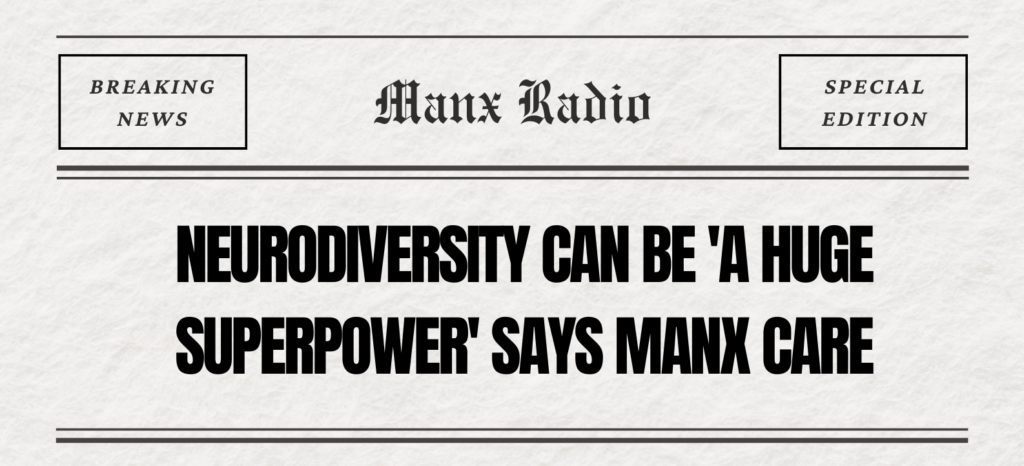
    Awareness of the issue has grown in HR circles and from employers generally, as these recent headlines show:

      half of neurodiverse people missing work due to lack of workplace support   neurodiversity can be a huge superpower says manx care  

    Yet, misconceptions still remain.

    Joanne herself was diagnosed with autism as a child. It took her until the age of five to learn to speak. And it wasn’t until the age of 15 that Joanne was diagnosed as being dyslexic too. She has experienced first-hand how some companies take a wide berth of neurodiverse people.

    “I once ran a test when I applied for jobs online. On one CV I disclosed I had autism and dyslexia, and I wouldn’t get an interview. But when I used exactly the same CV, and didn’t disclose it, I would get an interview.

    “I also worked at a shop where the store manager said very bluntly that if I’d mentioned my autism or dyslexia at the interview I wouldn’t have got the job.

    “A lot of it comes down to a lack of awareness. People have a stereotype in their head and it’s because they don’t know what it is.”

    Equipped with these experiences, Joanne chose not to disclose her autism or dyslexia during her job interview with Engage Health Group. It seems that many consider neurodiversity as a disability, when in fact it’s a complex mix of neurological traits that in some cases can be almost like a superpower. Joanne has taken an academic interest in the subject, studying Neuroscience at the University of Sussex. She makes the point that even people with the same form of neurodivergence will be very different in how they operate.

    “It’s not a one-size-fits-all situation. For example, two people with ADHD won’t be the same – they’ll need different levels of support. Sometimes it goes unnoticed unless it’s pointed out.”


    The challenge of entering a new workplace

    Image by louisehoffmann83 from Pixabay

    Entering a new workplace is a challenging experience for anyone. There are new people to meet, new processes to get used to, and often new skills to learn. For neurodiverse people, the challenge can be more acute.

    “When I first started working at Engage, it took some getting used to. I’d never worked in an office environment before or on a telephone,” said Joanne. “Little things were a challenge like the size of the office and all the different people. It can be quite overwhelming and for me it was sensory overload.

    “It took me a little while longer to grasp things than most people, but once I did, it really clicked and then everything became easier. One of my colleagues really took me under his wing which was a big help.”

    “To begin with I was very quiet. An office feels very professional and I felt I needed to be reserved but over time I realised you can be yourself and talk about your interests.”

    Joanne talks about the process of “masking” whereby people camouflage their natural personality to conform to perceived social pressures.

    “Everyone does it but for neurodiverse people it can be quite mentally taxing and I was like that at first. But over time I realized I didn’t need to be like that here. If I want to be quiet I can be quiet and I won’t be judged. But sometimes I can be chatting all the time.”


    Why smart companies think individual

    Forward-thinking employers are taking an increasingly flexible approach with their employees, treating them as individuals rather than as a homogenous group. We see this trend in the employee benefits space where tools and policies have evolved to provide a wider range of services targeting different employee needs. More obviously, we see it in the wide embrace of remote and hybrid work policies.

    “There is growing awareness of the need to accept flexibility, and not just with neurodiverse people,” says Joanne. “Employers who are flexible can help ensure their employees are able to work to the best of their ability.

    “In some cases, it might be as simple as helping someone juggle family life or avoid commuting costs. For people with learning difficulties, it can be a bit more specific.

    “The one positive thing coming out of the pandemic was the increased awareness of mental health and the ability to work from home. The option to work from home is something that has helped people with physical disabilities and neurological differences.

    “And insurers have started to do a lot more around mental health support and this has shed light on neurodiversity as it’s an adjacent topic, so it’s brought more attention from insurers.”

    Evidence of this growing awareness can be seen in a survey by AXA which found 47% of companies planning to further support neurodiversity in the next two years.


    Workplace adjustments can vary greatly


    charlie o'brien - breathe

    Charlie O’Brien, Head of People at Breathe says that many neurodivergent people spend time quietly adjusting their work environment to suit their needs when they come into a new workspace.

    “For a neurodiverse individual or team to thrive, we need to create a culture that openly speaks about our differences and celebrates them – loudly.

    “Be transparent with your policies and working environment, both internally and externally; future hires need to feel safe about discussing their needs, you can do this by sharing what you do openly without being asked first.

    “Every single person should get a personalised onboarding plan, tailored to their specific needs and adjustments, which means you break down communication barriers from the get-go, this creates a culture where everyone feels safe to be themselves.

    “Continuously educate your staff, at Breathe our colleagues take the lead and educate each other on things that impact them or their loved ones, this can be a slack message with information and an open invitation for people to reach out to talk or a lunch and learn.”

    Joanne is keen to emphasise that workplace adjustments can, in many cases, be minimal.

    “When people hear the term ‘workplace adjustments’ some people think it will be expensive but it can be very simple things. For example, someone with dyslexia might need speech-to-text software which Google provides for free anyway.”

    While Joanne hasn’t required any specific workplace adjustments, a level of understanding helps.

    “It’s harder for me to pick up on some social cues, particularly around tone of voice. My grammar and spelling aren’t great. In fact, someone rarely has just autism, there’s usually something else too.”

    However, her attention to detail and her high-level ability to focus on a task and see it through to completion is a major strength. Multi-tasking might be a weakness – but, she says, Pipedrive helps with that!

    “Compiling evidence is another one of my strengths. I’m good at presenting facts, bullet points and detailing a sequence of events. I’m good at providing a book of instructions but something more personalized and sensitive can be quite difficult.

    “People often talk of autism as a scale but actually it’s more like a dial of different strengths and weaknesses. So a person might be high or low on different things.”

    Attention-to-detail, verbal skills, written skills, creative thinking, ability to focus – these are capabilities that vary from one person to the next. Joanne summarises it thus: “Think differences, not deficits”.


    How health insurance policies are evolving

    Health insurers are becoming more aware of neurodiversity as a topic and some have started to develop guidance and policies around it. AXA has developed its own Neurodiversity Assessment and Support service which provides employees and qualifying family members with a rapid assessment. If a positive diagnosis is made, support is offered according to the specific needs of the individual.

    “I like AXA’s benefit which speeds up referrals to get a diagnosis. At the moment there’s a lot of pressure on the NHS and long waiting lists,” says Joanne. “Some people slip under the radar as children and might not have received a diagnosis yet. They may have developed coping mechanisms, so it might not be obvious from the outside yet could still benefit from support.

    “Mental health support is useful. Even though neurodiversity is a different thing, things like anxiety and depression are more common in neurodiverse people. Although I haven’t used the services myself, it’s reassuring to know that I have access to them if I need them.”

    It’s early days for neurodiversity benefits. Many insurers are scrambling to play catch-up as they realise the demand for such services.

    Vitality is providing support for ADHD and autism assessments from January 2024 as an additional benefit to its corporate offering.

    The benefit will cover employees and their dependents over the age of seven. A positive ADHD diagnosis is followed up with six psychiatric follow-ups, plus coverage for eligible medical costs and two annual reviews. However, a positive autism diagnosis doesn’t open the door to any additional support services beyond its core policy offering.

    Similarly, Bupa is launching its neurodiversity benefit in January to corporate clients. Clients must have mental health benefits in place and a minimum outpatient allowance of £1,500 for each employee on the scheme. It will cover a diagnosis for autism, ADHD, dyslexia, dyscalculia,  and dysgraphia. It also applies to dependents aged six and older.

    Aviva offers a Neurodevelopmental Pathway on their corporate plans which helps speed up initial assessment and diagnosis of ADHD, autism and Tourette’s syndrome. The pathway provides support and access to private diagnosis. No GP referral is needed and members receive a comprehensive report. It’s also available to group members and their dependants aged seven and over.  


    Dispel the myth, grasp the opportunity

    Neurodiversity is all around us. Some of the highest-performing people across a broad range of fields are neurodivergent. Yet, it covers such a broad spectrum of traits, that it’s impossible to generalise. Employers must keep an open mind and do the things that any good employer should do: listen to the needs of employees and address them in the most helpful way. Nick Hale, Founding Director at Engage Health Group, reflects on how his understanding has evolved:

    “Of course, every individual is different, and we all have our strengths and weaknesses both personally and professionally.  I’ve learnt that those with neurodivergence are really the same in this regard, but that there is simply a greater understanding needed of where their strengths are best deployed.

    “I do worry how many individuals with applicable skills are overlooked for roles due to ill-informed preconceived views, but the important work that we, our valued clients and our insurer partners are doing is helping to break down stigmas and move the discussion forward, and it’s fantastic to part of it.”

    Increased awareness is often the first step towards progress, and as increasing numbers of business leaders and HR personnel become more attuned to what it means, then workplaces and well-being policies will evolve to better cater for people whose minds function differently to the norm. A failure to support neurodiverse employees is a failure to support some of the most talented and capable people out there.

    Engage Health Group is an employee benefits consultancy that helps UK businesses navigate the world of employee benefits and source policies tailored to their unique needs. This article first appeared on HR News.

  • Here’s how an International Health Insurance broker can help…

    Here’s how an International Health Insurance broker can help…

    A good International Health Insurance broker provides impartial advice to any individual or business looking to offer health coverage to its global employees. 

    Brokers can be the make or break factor in the success or otherwise of a global health plan.

    However, all brokers have their own ways of operating – some offering their services for free, others charging, and all with varying levels of expertise across different countries.

    In this blog post you will learn:

    • The role of an International Health Insurance broker
    • How the business model works
    • The benefits of employing an expert broker
    • Real-life examples of how a broker can help

    Need help creating the perfect blend of international employee benefits and health insurance for your global staff? Contact our expert international insurance brokers on 01273 974419 or click on the chat box on the right. 


    What does a Global Health Insurance broker do?

    A health insurance broker should be dedicated to the needs of its clients – rather than the interests of an insurance provider. A broker’s mission is to find you the best policy at the right price point by using their connections with numerous providers and their knowledge of the industry. 

    For example, there are several elements to the service at Engage Health Group:

    • Initial discussion and fact-finding: Businesses come to us with various questions related to the global health insurance market. It usually centres around how such policies work and how much it costs. We provide all our answers in plain English.
    • Advice and guidance: We advise clients about the best route forward after we’ve learnt about the business’s needs and scope of coverage required. 
    • Delivering quotes: We gather policy price-points from across the whole market, tailored to the needs of a business.
    • Claims assistance: We assist with claims, should any disputes arise or any further guidance be required.
    • Review policies: We review global healthcare policies to ensure they are providing value for money by comparing against other policies on the market. We will highlight any better, more cost-effective, alternatives.

    Launching or reviewing a global health insurance scheme is a daunting and time-consuming process for HR departments. But a broker can ensure the process runs more smoothly.  

    Insider tip: Brokers are usually paid a commission by the insurance providers meaning their services can be provided free of charge to the business. Look out for any brokers that come with their own fees – these are ones to avoid! Also check if they are members of the AMII as this shows they are dedicated to providing impartial advice and are not tied to an insurer.


    Why turn to an International Health Insurance broker?

    The International Health Insurance market is full of insurers competing for your attention, all claiming to have the ideal policy for your business. International Healthcare is a considerable investment and that only puts more pressure on HR teams to achieve return-on-investment.

    A reputable Global Health Insurance broker can:

    • Increase you chances of finding the optimal global healthcare policy
    • Reduce the time and stress involved in searching for and managing policies
    • Ensure you budget is spent wisely

    Below we have listed a few issues that can be encountered when looking into International Health Insurance for your staff: 

    • Location-specific requirements: Different countries can pose specific challenges that need to be addressed. For example, in the UAE it is essential to have health insurance in order to obtain a work visa. Meanwhile, in the US, health insurance is mandatory for many employers
    • The range and breadth of global insurance providers: There are a huge number of global health insurers, each with different policies and expertise in different territories.
    • Vast number of products and options: There are potentially thousands of product combinations, exclusions/inclusions and price points to consider.
    • Choosing between domestic and international policies: In some cases, opting for separate domestic policies could be better than investing in a global scheme. Brokers will balance up cost factors, compliance requirements and how best to simplify its administration.

    International Health Insurance brokers will essentially take on the heavy lifting to remove as much stress as possible from the process. 

    Further insights: How to gather the best International Health Insurance quotes. 

    Would you like to speak with an international insurance broker right now? Give our award-winning team a call on 01273 974419 for FREE no-obligation advice and support.


    What are the benefits of using an Global Health Insurance broker?

    The surge in companies employing talent from around the world has led to increasingly complex demands on HR teams. And this trend is set to continue. So, how do employers ensure that all employees are equally supported wherever they are in the world? 

    Here are some of the key benefits of employing an International Health Insurance broker:

    • Global market-wide quotes: An independent broker is constantly reviewing policies available in the global healthcare market, providing the pick of the bunch to you. 
    • Free expert knowledge: Receive expert knowledge on each insurance company’s terms and conditions – all relayed clearly to you, entirely free of charge.
    • Country-specific knowledge: Gain detailed knowledge on how different health systems operate, what the statutory requirements are and more.
    • Personalised approach: Brokers take the time to fully understand the unique requirements of your business, leading to a plan that fits your specific needs.
    • Broader employee benefits advice: A broker like Engage can also advise on other areas of workplace benefits, including protections schemes, EAPs, corporate wellness, cultural training and more – and explain how they all fit together.
    • Policy implementation: Some brokers also help implement schemes – providing educational materials to employees and generally help onboard employees to ensure they are fully aware of the benefits they have and how to use them.
    • Claims assistance: If there are any disputes with an insurer, a broker can take it up on your behalf.
    • Independent expertise: Assuming they are an impartial broker, you can be assured they are working in your best interests – and not on behalf of the insurance industry!


    Examples of a global health insurance broker in action

    The Engage International team work with a wide range of clients across various sectors, offering expert advice and industry experience. To share more insight into what we do, we’ve provided a few revealing testimonials from our client-base.

    Remote:

    Global hiring specialist and Employer of Record, Remote, has worked with Engage on its global medical plans. 

    “They helped us establish a comprehensive medical plan that covers our employees globally, with competitive and flat rates. Additionally, they act as advisors, providing us with valuable guidance on best practices in countries where we lack local knowledge.

    “Engage Health’s expertise and network of brokers have been instrumental in navigating the complex world of global benefits. They match us with brokers who share our values and goals, ensuring that we have the right coverage and support for our employees worldwide.

    “We highly recommend Engage Health for their exceptional service and expertise. We are grateful for their partnership and look forward to continuing to work with them in the future.”

    Joana, Senior Expert, Global Benefits Strategy and Design, Remote

    Timber Trading Agency (International):

    Helping to establish a detailed benefit scheme for employees working in medium-high risk countries. 

    “Engage Health Group have been very helpful with our members, many of whom are based in third world countries. They have solved the problems raised regarding the COVID pandemic especially relating to evacuation if needed.”

    Eva Maguire, General Manager of Timber Trading.

    Global IT Company:

    Covering 60 employees in Europe/New Zealand/Australia.  

    In this instance, this organisation had been quickly scaling their international tech pool, hiring remote global employees working in various parts of the world from the get-go. 

    “They went out of their way to provide us with the best quote and negotiated with our current provider, they managed to increase our level of cover and drop the cost. They provided support during the change over to the new policy and came to our office to do an all company presentation explaining how to get the best out of our cover.”


    BCB Group:

    Europe’s leading payment service provider.

    “James at Engage was super helpful with explaining all our potential options, he understood the requirement for ensuring the level of cover was appropriate whilst also balancing financial impact.

    “Throughout the process, from market review through to cover in place, there was regular and quick communication, keeping us in the loop with any developments.

    “I would have absolutely no hesitation in coming to James and the team again for any future support required.”

    Take a look at more testimonials here.


    Reach out to Engage Health Group!

    The international health insurance and employee benefits market can be difficult and confusing to navigate through. 

    At Engage Health Group, we have a global reach spanning more than 70 countries, enabling us to help international clients streamline their global benefits. We offer genuine expertise and the most competitive quotes in the market. 

    Contact us at enquiries@engagehealthgroup.co.uk or call 01273 974419 for FREE no-obligation advice and support. 

  • How to support a multi-generational workforce [Webinar round-up]

    How to support a multi-generational workforce [Webinar round-up]

    Engage Health Group joined The HR World for an insightful discussion on how businesses can best support a multi-generational workforce with employee benefits.

    Our Head of UK Employee Benefits, Mike Hesch, shared the panel with Gemma Lee, Chief People Officer at Konica Minolta Business Solutions UK Ltd, to discuss the challenges of serving a workforce with a wide range of needs and life priorities.

    Hosted by The HR World’s Simon Kent, some of the key issues covered include:

    • How to support different employee priorities
    • How to provide individuality to employee benefits
    • How to support staff whatever stage they are at in their life

    Read on for a quick summary of the notable points made, and watch the full webinar here – Health and Wellbeing: Making it Personal.

    It’s well worth the watch to help stay ahead of the game with the benefits you’re offering!

    Need one-to-one help supporting all staff members? Our award-winning employee benefits consultants provide FREE advice to UK and international businesses. Contact us at enquiries@engagehealthgroup.co.uk or call 01273 974419.


    Talking point no. 1

    How do you find out what employees want?

    What Mike had to say:

    “Survey your staff. I’m not saying that is going to give you all the answers, but I think it’s a valuable tool – it will give you some generalisations within your workforce as to what they’re after.

    “But you really need to ask employees and, if you can, the absolute ideal scenario is where management are asking their employees in one-to-ones where they are discussing what their needs and requirements are. If there can be feedback from managers to the business as to what those needs are, that is going to be much more powerful as you are actually getting out from those individuals what they want.”

    What Gemma had to say:

    “Combine large surveys with a more meaningful exchange about understanding the variants of employees and what they might need. Some of the topics can be a bit sensitive, so people might require more support around mental or physical wellbeing, which can be difficult to share. So having that one-to-one opportunity as well as creating lots of forums within your organisation to provide different communication links will cover everybody.”


    Talking point no. 2

    What’s the best place to start when you’ve got a wide range of needs to serve?

    Staff needs will change throughout their lives. At times there’ll be a higher demand for support for child care or elderly care. Health needs will also change over time, most obviously with the menopause.

    So, where to start?

    Mike’s take:

    Mike says that one of the best places to start is by taking a look at what employee benefits are already in place, and ask: are these benefits what my staff need?

    “There’s more in your employee benefits space that you probably don’t know you’ve got! When we work with a lot of companies on their wellbeing strategy, a lot of it is to just sit down with them and say: what have we got benefits-wise? Let’s go through what you can get out of those benefits from a health and wellbeing perspective.”

    Gemma’s take:

    In many ways, employee demand is greater now than ever before. Does this make it a more difficult time, or an exciting one? Gemma leans towards the latter.

    “I think it’s a really exciting time in many ways! In all aspects with this individualisation and considering different employees have different needs, at different stages of their life.”

    “There’s been so many examples recently, especially with the volatility of what’s been happening in the wider world, [that] has also impacted people’s need for assistance whether that’s financial support or something else. So really understanding and knowing who your employees are, completely underpins this. Knowing what is required depends on who works with you and how often you are close and connected to who those people are and what they need.”


    Talking point no. 3

    Have you noticed any new trends around employee demand and employer support?

    The workspace is constantly evolving, so keeping up with current trends in employee benefits is very important to managing the needs of different working generations.

    What’s currently in high demand? What are staff wanting more of?

    Mike’s insights:

    “There’s the menopause, women’s health and the men’s health side. And this has been driven by providers that come into the market delivering products and services within those areas, but there have been organisations that I’ve seen doing something like that for a number of years but just not necessarily had a provider to support them.”

    “A lot of staff see the communication and promotion of those different benefits and then question why that’s not being delivered in their own business! Where this can create an issue, it also creates opportunity for providers to make it much easier for companies to deliver those kind of benefits and very often at a very affordable level.

    “I’ve in particular noticed a lot more talk around neurodiversity;  a lot more understanding of what people are experiencing. I am neurodiverse myself, I’m very open with that, and staff feel that because I’m open they can be open themselves and talk to me about it. And that also helps me to then understand what they need, what we might be able to help with, and then see there’s a lot that companies already have that can help.”

    Gemma’s insights:

    “We’ve had benefits introduced for menopause support, cancer screening, huge uptakes in GP services online, and then extending that to family and friends.

    “There’s an expectation that your company is supportive in education in these areas as well. We’ve had some really great education webinars last year around sleep, around gut health, around nutrition, and they were really well-attended. This access to education and understanding, and being able to promote what one can do for themselves is something people are really favourable about today.”


    Are your employee benefits fully supporting all staff?

    The evolution of workplace wellbeing policies, and the growing demand from employees, is both a challenge and opportunity for employers.

    The challenge lies in the sheer level of complexity and, potentially, cost of implementing different workplace policies.

    The opportunity lies in the growing variety of policies that have evolved to meet such demand.

    Engage Health Group helps businesses navigate the challenges and ensure you’re able to deliver the best health and protection policies to your teams.

    Our award-winning brokers provide the most expert advice and competitive quotes in the market.

    Contact our expert team of brokers at enquiries@engagehealthgroup.co.uk or call 01273 974419 for FREE no-obligation advice and support.
  • How to fulfil employer duty care around the world

    How to fulfil employer duty care around the world

    Fulfilling duty of care for your staff, no matter where they are in the world, is a major responsibility for any employer.

    It’s not easy…

    Businesses must strive to encompass all three pillars of wellbeing: physical, financial, and mental. But how can this be achieved at the same level for all employees when you have a globally diverse workforce?

    This blog explores how to fulfil duty of care through different employee benefits and workplace initiatives.

    Need help supporting your global workforce? Get FREE expert advice from our award-winning consultants on 01273 974419 or email enquiries@engagehealthgroup.co.uk.


    The challenges of a global workforce

    Hiring from a global talent pool brings many benefits to a business. It increases your chances of finding the right people with the right skills, and enables an around-the-clock operation in different markets.

    But it also creates challenges. Some of these challenges include:

    • Managing cultural differences
    • Understanding local employment regulations
    • Overcoming language barriers
    • Maintaining consistent communication
    • Generating a strong team dynamic across vast distances
    • Implementing employee benefits

    The latter point is what we’re focusing on here. The question is: how do you provide a consistent employee benefits experience that abides by each country’s rules, while also being adaptive to different cultural expectations and requirements?


    5 international employee benefits to consider

    1. International Employee Assistance Programmes

    International Employee Assistance Programmes (iEAPs) provide staff with tools to manage day-to-day emotional and psychological challenges. iEAPs are usually hosted on digital platforms with services including:

    • One-to-one counselling sessions
    • Virtual GP access
    • Employee support for specific issues, encompassing a variety of life challenges, including: legal, childcare, financial, elderly care, work-life balance, relationship, stress, anxiety, depression, life transitions, emotional support and more.
    • Employer support for critical/traumatic workplace incidents
    • Multi-lingual functionality

    With global access, iEAPs can be set up and managed from one location as a single platform making it an easy-to-use tool for both management and staff.

    2. Cultural Training

    Cultural Training equips staff with the knowledge and skills to effectively understand the different cultures and countries of their colleagues, helping to boost communication and avoid misunderstandings. The training can be offered to any type of team – expat staff, multi-national workforces, global leadership teams and multi-cultural teams.

    Offering Cultural Training helps to fully unlock the benefits of a culturally diverse team.

    3. International Health Insurance

    International Health Insurance provides staff access to private healthcare anywhere in the world, under one single policy. The global health insurance market is a complex one, so having a single plan which covers all countries under one scheme can be a truly HR-friendly option.

    4. International Life Insurance

    It’s important to have policies in place which protect the loved-ones of employees. A Life Insurance policy is designed to do just that by paying a lump to an employee’s family in the event of their death. An International Group Life Insurance policy is designed to provide coverage to all employees around the world under one scheme.

    5. Employee Benefits Platforms

    Employee Benefits Platforms unify your employee benefits offerings under a single online platform, making it easier for HR to manage workplace perks and for staff to access. These platforms allow staff to access the services they most need, whether it’s a health insurance policy, wellbeing advice or discount schemes.

    Platforms usually have multi-lingual capabilities enabling employers to bridge the gap between communication and cultural differences.


    Establish the right policies for your employees by contacting the expert consultants at Engage Health Group. We’ll make the process simpler for HR and ensure that you get the most effective policies for your people, wherever they are in the world. Email enquiries@engagehealthgroup.co.uk or call 01273 974419 for FREE no-obligation advice and support.

     

    5 workplace initiatives to help international employees

    1. Focus on maintaining a positive work-life balance

    For staff to be as productive as possible, their personal needs must also be looked after. Fortunately, the same approaches taken in most domestic businesses can be easily applied to global employees – thanks to technology.

    Can you supporting flexible working options for all employees? Aside from making remote work an option, you can also support them by investing in ‘at home’ office equipment. Options include laptops, additional screens/monitors, ergonomic chairs and desks.

    2. Instill a team dynamic

    With such a globally diverse workforce, gaps can form in an organisation’s sense of community. Instead of feeling like a team, a global company can become a patchwork of individual staff members with little connection to one another. Uphold open lines of communication and offer engaging opportunities for socialising and team-building online.

    3. Recognise the cultural differences of the workforce

    The different cultures making up a global workforce is incredibly important to the success of the business – and is something to be nurtured, respected and understood. It’s important to understand the differing religious holidays, approaches to health and relationships, local customs and behaviours.

    Educating staff and management on local customs and cultural nuances will enable effective cross-cultural communication. What could be deemed ‘normal’ in a UK office may be taken completely different elsewhere. For example, a thumbs-up in the Middle East can be taken as an insult, or in Turkey having one hand in your pocket is considered arrogant!

    Other ways to be observant of the cultural, religious, and local differences in your workforce:

    • Offer flexible time off and holiday options: accommodate for different religious traditions/holy days
    • Be mindful of dress code norms
    • Offer a space for prayer rooms/flexibility around breaks to allow for prayer
    • Offer further education and resources for any staff member wishing to learn more
    • Offer cultural training to senior staff

    4. Understand local and global health & protection requirements

    Similar to understanding the personal differences of your global teams, it’s also important to get to grips with administering different health and protection policies in different countries. For example, health and life insurance policies can work differently in different countries.

    It’s quite a complicated business, which is why many businesses turn to employee benefits consultants with specialist international expertise. For example, Engage Health Group has a broker network spanning 73 countries making us perfectly placed to manage health and protection policies on behalf of clients.

    One key area to consider is whether you need to opt for a single global ‘umbrella’ plan or a series of separate national plans:

    • Global solutions: They typically work best when your workforce has sparse members in different locations, ensuring all members are fully covered.
    • Local solutions: They often work best when you have a high concentration of members in one or two locations.

    5. Enable staff the chance to give feedback on their benefits

    Are you giving staff what they want? It’s hard to know unless you ask.

    • How satisfied are they with overall employee benefits package?
    • How satisfied are they with specific employee benefits (for example; health insurance, life insurance, income protection, EAPs, wellbeing apps, and flexi-working opportunities)
    • How easy do they find them to access and use?
    • What can be improved about their employee benefits policy?

    It’s worth running a survey of staff which addresses these points. Other ways to get feedback include:

    • In-person virtual meetings about benefits
    • Tracking HR data and analytics
    • Tracking usage of current benefits
    • Assessing absences, productivity, quality of work
    • Utilising different communication tools e.g., online portals, emails, WhatsApp groups


    Find the right support for your global workforce

    Businesses have a huge array of international benefits to choose from and the sheer scale and complexity of this market makes it an arduous undertaking for HR teams.

    Finding the right support can make all the difference when it comes to fulfilling duty of care for your global staff.

    At Engage Health Group, we have a wide global broker network spanning more than 70 countries, enabling us to provide the best guidance wherever your employees are based.

    Contact us at enquiries@engagehealthgroup.co.uk or call 01273 974419 for FREE no-obligation advice and support.

  • Dry January, ‘Damp’ January and how employers can help

    Dry January, ‘Damp’ January and how employers can help

    This time of year can look different for everyone, but I think it’s safe to say that most of us have spent the festive season indulging a little too much!

    The beginning of January typically brings fresh perspectives. It’s a case of “out with the old and in with the new”.

    New year, new me right?!

    An estimated 8.5 million UK people are taking part in Dry January in 2024, so we’ve taken a deeper look into how businesses can help their staff, and offer personal perspectives from our very own Engage office.


    Need one-to-one help? Our award-winning employee benefits consultants provide FREE advice to UK and international businesses. Contact us at enquiries@engagehealthgroup.co.uk or call 01273 974419.


    Why Dry January?

    Dry January is a global trend where participants give up alcohol for the whole of January. A lot of individuals might do this to raise money for charities, for health and mental wellbeing reasons, or to simply enjoy the benefit of a four-week detox after Christmas and New Year indulgences.

    Stopping drinking for a month can also make way for other healthier hobbies and changes to your lifestyle. For example, taking up exercise classes, more reading, new hobbies, or finding different ways to hang out with family and friends – rather than relying on the same old local pub at the end of the week!


    A personal take from the Engage office

    For me, this January is going to be looking like a more “Moderate Jan” challenge – or “Damp January” if you will!

    This means cutting down on pretty much all of my bad habits. I want to feel fresh in the mornings with a clear mind and prioritise my all-round health as I begin this new year. Whilst I see nothing wrong with spending time with your friends at the pub, it’s also important to ask yourselves – do we really need another one?

    My overall aim of a more moderate approach this month is to save money, spend more time with friends and family doing different activities, be outside more on walks and in nature, and feeling more in control of my health to make me the most productive I can possibly be.

    While I’m confident my approach will work wonders for me, everyone has different priorities. It’s important to be supportive of each other and respect boundaries where we can.

    So, I asked the rest of the office what their plans were for the upcoming month, and the responses went like this…

    “I’m doing a delayed Dry January but beginning from the 10th. I’ve still got a few Christmas drinks leftover, and we can’t be wasteful!”


    “Instead of Dry Jan, I’ll be doing Veganuary in an attempt to adopt healthier eating habits and get back to feeling healthy.”


    “I’m planning a dry January and February as I pick-up my training ahead of the Brighton Marathon!”


    “I’m not doing Dry January but I’m adopting healthier habits generally this year. I think it’s better to do something in moderation for 12 months, rather than go crazy for 11 months and have one month off.”


    “I’ll be taking part of Dry Jan too! Really want to kick start this year off right in preparation for a half marathon I’m doing, so fingers-crossed!”


    “On top of taking part in Dry January, I’m also planning to do the ’75 Hard Challenge’ to really target all areas of wellbeing, not just fitness.” 

    Someone who knows all about going alcohol free is Jess Wright, our Senior Employee Benefits Consultant. She recently completed two years without alcohol:

    “I think taking a break from booze can be a really good thing to give the body and mind a rest. It’s becoming really popular to have breaks from alcohol and there are loads of health benefits for the brain around drinking less. The variety of non-alcoholic drinks are so much better than they used to be as well – so I think it’s a trend. There’s now a non-alcoholic/low alcoholic bar in London and Brighton called Torstig. 

    “I know there’s at least three of us that are running the Brighton Half in Feb, so I think training for that will keep people on the straight and narrow!”


    How can businesses support employees for Dry January?

    Providing the right support and employee benefits is a given for any successful business and employer. The beginning of a new year marks the perfect time to reflect and listen to the ever-changing needs of staff.

    Below we have listed some ways to better support your staff for Dry January.

    Employee Assistance Programmes:

    • Typically included with Group Income Protection, Group Critical Illness, and Group Health Insurance
    • EAPs often come with an online health portal which provides access to support on everyday lifestyle changes, and services to help limit alcohol intake.
    • Also included are free 24/7 counselling and support/information lines if staff are looking for further support to help them cut back.
    • EAPs can a great tool for managers, executives, and HR to provide advice and support to employees, especially if staff are suffering but don’t feel able to talk about it.

    Other simple ideas to encourage healthier habits:

    • Organise more dry social events e.g., morning coffee catch-ups, going out for lunch or dinner, or even try dry events like bowling, arts & crafts related socials, or even board games! This being said, there’s nothing wrong with grabbing a pint or two with colleagues at the end of a busy week, just ensure there’s also options for those taking part in a less-booze month, and no one is left out.
    • Sign up and offer free online resources e.g., through Alcohol Change UK.
    • Consider wellbeing apps which reward people for healthier habits. We’ve previously arranged a step-count challenge for our staff, creating an element of healthy competition in the workplace.

    Planning ahead for the months after Dry January is also important for employee wellbeing. The point of Dry January is to get people thinking about their relationship with alcohol, but also how they can continue to adopt more positive lifestyle changes throughout the year.

    Consider encouraging staff to log how they feel throughout their month so they can be truly aware of the difference they’re experiencing. It may be a launchpad to healthier habits for the year ahead.


    Need help finding the right employee benefits for your staff?

    At Engage Health Group, we help businesses of all sizes and across all industries negotiate the health and wellbeing marketplace, on a local and global scale. We work on behalf of our clients to ensure businesses are getting advice that has their best interests at heart.

    Contact our expert team of brokers at enquiries@engagehealthgroup.co.uk or call 01273 974419 for FREE no-obligation advice and support.
  • The story of 2023 for Engage Health Group

    The story of 2023 for Engage Health Group

    And that’s a wrap!

    The festive season marks the perfect time to take a moment and review everything that’s been happening over the last year.

    We’ve been delighted to help some wonderful businesses, welcome super-talented new recruits and win much-coveted industry awards.

    Here’s a brief reflection on what we’ve achieved this year…


    Looking for one-to-one help with employee benefits? Contact our award-winning benefits consultants for FREE advice and support at enquiries@engagehealthgroup.co.uk or call 01273 974419.


    Engage’s key achievements of 2023

    Expanding the Engage team:

    This year we have seen our team grow by 40%! Meet the 2023 recruits who are each bringing their own unique skillset to the team:

    • Penny Pemberton, Head of International Benefits
    • Mike Hesch, Head of UK Employee Benefits
    • Zoe Perera, Senior Employee Benefits Consultant
    • Jess Wright, Senior Employee Benefits Consultant
    • Chloe Young, Employee Benefits Consultant
    • Barbara Martin, Client Support Manager
    • Ciara Boulton, International Client Support Manager
    • Stu Isaac, Employee Benefits Consultant
    • Mel Dixon, Head of Digital Marketing

    Launching The International Tech Pool:

    Our International team made huge progress in the global start-up and tech scene this year, launching a new international health insurance scheme.

    The International Tech Pool is designed for tech companies and start-ups employing remote workers or operating satellite offices around the globe. It helps businesses to protect their workforce under one policy rather than setting up various separate healthcare policies in multiple countries. It’s providing these companies with an exclusive risk pool built up by other tech organisations and start-ups, providing a fairer premium in the process.

    Winning at the 2023 Health & Protection Awards:

    The Engage team rubbed shoulders with the great and the good of the health insurance industry at the Health & Protection Awards 2023. We won Best International Group Advice Firm, showcasing the effort we have put into our developing global expertise. Stuart Box and Esme Pearson were both nominated for individual awards – Best Health Insurance Adviser and Outstanding Newcomer Award respectively.

    Sharing our knowledge:

    This year has also been about recognising the importance of our partners and building relationships across the industry. One example has been our involvement with The HR World. We have shared our expertise to the HR community as webinar guests and through written commentary.

    We prefer to share our knowledge rather than keep it to ourselves! Expect more of this in 2024.

    Helping our clients:

    – Medical Aid for Palestinians – 

    “Dave (from Engage) was an amazing help from day one. He understood perfectly what we were looking for and directed me and my team in the right direction. We were able to find the EAP provider we needed for our overseas offices. He was always an email away and guided me through the process.”


    – CAE Parc Aviation – 

    “James has been amazing to work with from tart to finish. From the very first phone call he listened to our requirements and worked tirelessly to find the best options for us and found an excellent insurance package best suited to our needs.”


    – Remote – 

    “They helped us establish a comprehensive medical plan that covers our employees globally, with competitive and flat rates…

    “Engage Health’s expertise and network of brokers have been instrumental in navigating the complex world of global benefits. They match us with brokers who share our values and goals, ensuring that we have the right coverage and support for our employees worldwide.”


    – Craig Mason – 

    “We used Engage to help our small business find a health policy. Nick was very helpful, supportive and not at all pushy!”


    Have a Merry Christmas and a Happy New Year!

    To show the immense appreciation we have towards our employees and all the hard work they put in every day, we needed to give everyone a bit of festive fun! Here are a few photos from our Christmas party at local Brighton favourite Donatello’s:

    We hope you have a very Merry Christmas and a Happy New Year!

    Want to get more out of your employee benefits in 2024? Contact our team of expert consultants for free no-obligation advice. Email enquiries@engagehealthgroup.co.uk or call 01273 974419.

  • Industry experts reveal global benefits best practice during latest HR webinar

    Industry experts reveal global benefits best practice during latest HR webinar

    The HR World’s latest webinar addressed the challenges organisations face when it comes to looking after global employees.

    Any HR professional who’s worked across global benefits will know it’s a complex topic. The overarching aim is to deliver consistency and equal opportunity across different locations while permitting local flexibility and personal choice to staff.

    Hosted by Simon Kent, Head of Content at The HR World, the expert panel consisted of:

    • James Carrick: our International Senior Manager here at Engage Health Group
    • Carl Chapman: Head of Marketplace, Ben
    • Dina Knight: Chief People Officer, DataTec and Logicalis


    To view the full recording click here for The HR World!


    Need one-to-one help? The award-winning employee benefits consultants at Engage Health Group provide FREE advice and bespoke guidance to UK and international businesses. Contact us at enquiries@engagehealthgroup.co.uk or call 01273 974419.


    Talking Point #1

    Benefits are not just about money: what do you need for a successful plan?  

    Yes, return on investment matters but there are other things to consider too. Carl Chapman referenced a Harvard Review study which found that 80% of employees would be happy to forgo a pay increase for better benefits.

    But what does “better benefits” mean?

    Dina Knight outlined her approach: “People are looking for more choice and balance. There’s a number of factors to consider. Fostering a positive work culture, ensuring there’s sufficient development opportunities, promoting work-life balance. And ensuring we have that open dialogue with our employees so that we can properly determine what benefits and what that compensation looks like for them. As well as being abreast of market trends.”

    The issue becomes more complex when looking after global employees.

    “Our approach is that we have global policies and global frameworks and then we apply them locally, said Dina. “There are unique healthcare plans for example in the US, or in Asia, so we don’t have a one-size-fits-all approach at all – that’s just not sustainable.

    In other words, have a global approach but implement according to the cultural norms and legal requirements of each country.

    “We work very closely with the local regional HR teams as they are the feet on the ground, they have the local knowledge about the market, internal employee preferences, candidate profiles, etcetera. That communication and alignment is very important.”


    Talking Point #2

    How do businesses create a unified experience for global staff?

    Employees need to access those benefits from anywhere in the world and establish a consistent user experience with those services. The panel offered three ways to approach these challenges:

    • Utilise employee benefits platforms
    • Work closely with the local regional HR teams
    • Implement global ‘umbrella’ policies where feasible

    Partnering with an employee benefits platform simplifies and unifies employee benefits, allowing for control, understanding, and equal opportunity for choice. Many benefits platforms also have multi-language capabilities, helping to bridge differences and open lines of communication.

    The main desirable factor these platforms offer? Ease of use! This means less time spent on explaining already complex policies to staff, and allowing employees to feel autonomous in their health and work-life needs.

    But what about the policies themselves? Many HR teams are unaware that single global policies can be used in place of separate local schemes. This another aspect of simplifying the roll-out of health and protection policies. Our very own James Carrick delved deeper into global versus local implementation:

    “For a global perspective, you have global solutions, and if you have a sparse population of members across the globe in many jurisdictions, you may wish to consider a global plan for a harmonised approach and you can ensure your members are fully covered.

    “If you have one or two members in a certain location, you might not get the right medical care you want, unlike what you would get under a global policy. But conversely, if you have a high concentration of members in certain locations, you may wish to look at local plans which is where we have built our partner network.

    “There are mandatory obligations across the globe, complex countries and areas such as the UAE, Netherlands, Australia, Switzerland, are examples of where you have to have locally compliant solutions. This is where we see clients asking for additional support during renewal and setting up.

    “Clients don’t have the time to navigate the complexities of the local legislations and that’s where they are reaching out to external resources – broker partners.”


    Talking Point #3

    Is monitoring usage metrics helpful?

    With managing a dispersed workforce comes the task of monitoring utilisation rates of employee benefits and ensuring staff are getting the most out of the benefits available.

    Carl Chapman from Ben offered an interesting take on this one:

    “I’m personally not a big fan of monitoring utilisation rates. The reason I say that is there’s a lot of evolution in benefits at the moment to support people such as fertility or transgender benefits, and the utilisation of those will always be really small but it doesn’t mean it’s not important to those people.

    “Utilisation as a method is useful in some circumstances, but we are all diverse, we all have different needs at different stages of our lives. We shouldn’t be expecting people to be boxed into these categories for utilising products at certain rates. Offer a handful of core benefits and then offer voluntary benefits that can cater for all these different needs. If you give people choice, you have an obligation to educate them to make good decisions.”

    James agreed with Carl’s points but suggested that there’s a still a place for checking the metrics. After all, if there’s an increased uptake of mental health services, it’s important to be aware and understand why that might be.


    Are you ready to address the global challenge?

    Global businesses must address the many challenges of investing in an internationally dispersed workforce. But overcoming these challenges is very doable with the right professional support.

    The award-winning team at Engage Health Group have a wide reach of global partnerships spanning 61 countries and territories. Our award-winning experts will give you the best advice and the most competitive quotes on the market.

    Contact us at enquiries@engagehealthgroup.co.uk or call 01273 974419 for FREE no-obligation advice and support.

  • 5 borderless benefits designed for international workforces

    5 borderless benefits designed for international workforces

    Is your workforce scattered around the world? If so, you’ll need to rise to the challenge of providing a consistent level of employee benefit.

    Group Health Insurance, Income Protection and Life Insurance are a few of the typical policies that businesses provide to employees. They might be relatively simple to arrange for a single country, but how do you implement them for a global workforce?

    One common solution is to invest in a single multi-country scheme, as opposed to buying separate national policies.

    So, in this blog post we look at five employee benefits which are designed to extend beyond borders.

    Need one-to-one professional advice and support to find the best international benefits package for your global teams? Contact us at Engage Health Group Ltd on +44 (0)1273 97449. We’re here to answer any queries and offer FREE expert advice.


    1. International Group Health Insurance

    UK businesses employ over 5 million people overseas.

    Source: ONS

    Health insurance is consistently amongst the most in-demand working benefits. But it becomes a whole lot more complicated when you’re trying to serve a global workforce. However, a single International Group Health Insurance policy can cover employees in several countries all at the same time.

    This means just one policy to manage and just one person to contact for all your policy queries. This makes it a lot simpler to navigate and less of a headache for HR teams.

    International health schemes are also more comprehensive than single country ones. You’ll typically get a higher level of maternity support, emergency evacuation, travel vaccinations, private doctor visits and access to top healthcare facilities around the world.

    As with any healthcare policy, what’s included will vary.


    2. International Group Life insurance

    International Group Life insurance provides a lump sum to covered employees’ families or beneficiaries in the event of that employee passing away.

    International Group Life covers multiple employees across a range of countries, all under one centrally managed plan. This provides your staff with a consistent level of benefit, efficient administration, and all done through a single contract.

    The policy payout can be calculated as either a fixed amount or based on a percentage of an employee’s salary. This provides businesses with an element of cost control, which is always welcome.

    Need help finding an international solution designed to the needs of your business? Engage helps businesses better understand the global benefits marketplace and find ‘perfect fit’ policies. Contact us at enquiries@engagehealthgroup.co.uk or call 01273 974419 for FREE no-obligation advice and support.


    3. International Group Income Protection

    Global Group Income Protection ensures employees have financial support if they fall ill or become seriously injured, leaving them unable to work. Coverage is offered on the simple basis that an employee is no longer able to carry out the functions of their job – encompassing many ailments under one cover.

    International Group Income protects your international staff by paying a chosen percentage of their salary (most policies set a maximum limit of 80% of the employee’s wage).

    Expect to receive a host of rehabilitation support included with the package – these are designed to help the employee return to full health faster.

    This borderless benefit acts as a form of international sick pay insurance, supporting your employees all over the world and ensuring guaranteed financial security.


    4. Cross-cultural training

    Cross-cultural training programmes help staff learn how to handle cultural differences amongst colleagues or in destination countries. The training programme is accessible for all levels of employees – multicultural teams, business travellers, expatriates, HR teams, short-term international assignees and remote workers.

    Businesses have a range of training programmes to pick from, each targeting specific needs and job roles. These programmes set the foundation for a cohesive workplace, where differences are celebrated, and problems can be managed, providing staff with the tools to navigate people’s difference.

    A successful business with international and borderless teams must embrace cultural differences but also understand differences and how to manage them. Offering cultural training helps international teams stay productive and acclimatise well with different cultures.


    5. International Employee Assistance Programmes

    40% of companies are supporting increased flexibility over the country or office employees work from over the next three years.

    Source: HSBC

    International Employee Assistance Programmes (iEAPs) provide a range of employee support services offered under a single platform, addressing the health and wellbeing of your international teams. IEAPs are designed to help each employee, wherever they are in the world, to deal with work-related stresses and personal challenges.

    What’s included in this borderless benefit?

    • Confidential support services 24 hours-a-day
    • Face-to-face counselling
    • Digital tools supporting health & wellbeing
    • Practical employee support for specific issues e.g., legal, childcare, financial, elderly care, work-life balance, relationships, stress, anxiety & depression, life transitions, emotional support (grief, trauma, loss)
    • Employer support for critical/traumatic workplace incidents
    • Multilingual
    • Global access

    The capacity for resilience is important for anyone making their way in the world – and an iEAP is designed to help develop it.

    Investing in iEAPs reflects the growing recognition that a top priority for employers is to support and protect the mental and physical health of their workforce wherever they are in the world.


    Which international benefits are right for your company?

    Choosing the right international employee benefits can be challenging, and knowing where to even begin is often half the challenge. As international benefits and health insurance consultants, we understand how important it is to take the time required to ensure that a benefits scheme is precision-engineered to match business and employee needs.

    The award-winning team at Engage Health Group have a wide reach of global partnerships spanning 61 countries and territories meaning we can give you the best advice and the most competitive quotes on the market. By consulting with an experienced international benefits broker you can ensure you’re getting the best cover at the most competitive price point.

    Contact us at enquiries@engagehealthgroup.co.uk or call 01273 974419 for FREE no-obligation advice and support.


    Further reading: Why utilising an insurance broker is important for finding the right International Private Medical Insurance policy.